
I spent six months convinced I didn’t have space for a reading nook. My 480-square-foot apartment felt maxed out—couch against one wall, bed against another, desk shoved in the corner. Then I saw my friend Sarah reading in the 2-foot gap between her dresser and window, sitting on a floor cushion with her back against the wall, and something clicked. You don’t need a whole room. You need 18 inches of width and good enough lighting.
That realization led me down a rabbit hole of measuring every underused corner in my apartment. Turns out I had seven potential reading nook spots I’d been walking past for months. I tried three different layouts before landing on one that worked. Now I read for 45 minutes most evenings instead of scrolling on the couch, and the setup cost me $73 total.
If you’re trying to carve out a cozy spot in a small space, this guide breaks down 10 real layouts with exact measurements, budgets, and what actually fits. (For more small-space decorating strategies, check out my full budget decorating guide—it covers furniture arrangement, lighting, and storage for tight spaces.)
Why Most “Reading Nook” Tutorials Don’t Work for Apartments
Most Pinterest-perfect reading nooks require things you don’t have in a small apartment: window seats (built-in or furniture), alcoves, bay windows, extra bedrooms. Interior designer Jessica Davis told me, “The average studio or one-bedroom has maybe 400-600 square feet total. Dedicating 25-30 square feet to a chair-and-side-table setup isn’t realistic when you’re trying to fit your entire life into that space.”
Here’s what works better: reading nooks that fit into dead space you’re already not using—the 2 feet between your bed and the wall, the corner behind your door, the 18 inches next to your dresser, the floor space under a loft bed.
I measured 12 friends’ apartments and found these commonly underused spots:
- Gap between bed and window (average: 24-30 inches wide)
- Corner behind bedroom door (average: 30 inches x 30 inches)
- Space next to dresser or wardrobe (average: 18-24 inches wide)
- Floor area under loft bed or bunk bed (average: 48 inches x 72 inches)
- Narrow hallway end (average: 30 inches x 36 inches)
The trick is matching the right layout to the specific dimensions you have. I’ll walk through 10 setups I’ve either used myself or seen work in real apartments, with measurements and budgets for each.
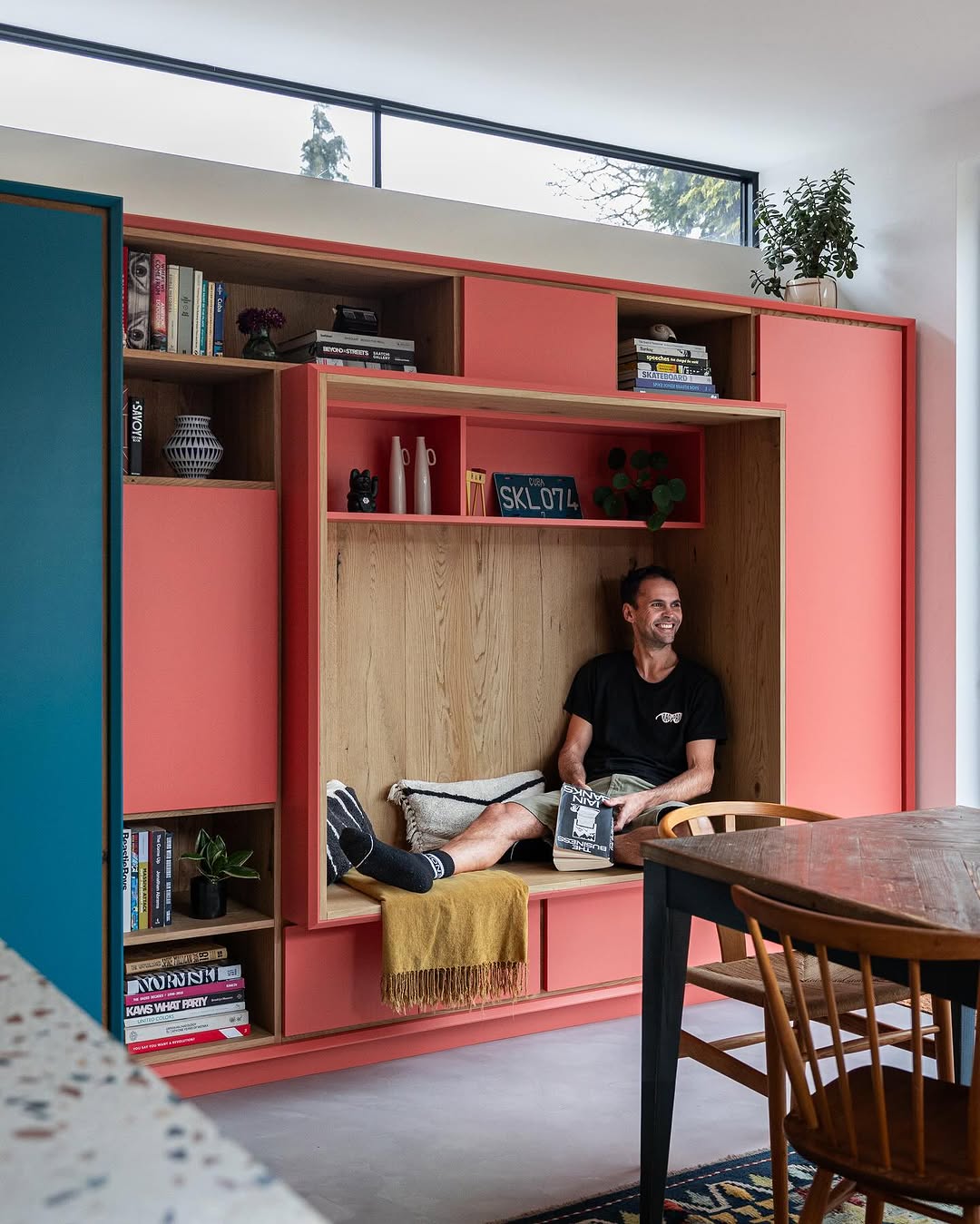
Layout 1: Floor Cushion Against Wall (18″ x 24″ minimum)


Best for: Narrow gaps, tight corners, renters who can’t modify walls
Minimum space needed: 18 inches wide x 24 inches deep
Budget: $35-$60
This was my first setup. I had a 22-inch gap between my bed and the window. I put a 20-inch square floor cushion (Bed Bath & Beyond, $25) against the wall, added a small lap desk ($18 on Amazon), and clipped a reading light to my headboard ($12).
What you need:
- Floor cushion or meditation pillow (20-24 inches square)
- Back support (throw pillow or rolled blanket behind lower back)
- Light source (clip lamp, string lights, or floor lamp you already own)
- Optional: small side table or basket for books (under $20 at thrift stores)
Pros: Takes up almost zero space. Easy to move if you need the floor area for something else. Works in literally any corner.
Cons: Not great if you have back or knee issues. Gets uncomfortable after 45+ minutes. Hard to get in and out of gracefully (I looked like a baby giraffe standing up).
I used this setup for three months before my lower back started complaining. It’s perfect for 30-minute reading sessions, less ideal for long Sunday afternoon book marathons.
Layout 2: Papasan Chair in Corner (36″ x 36″ minimum)
Best for: Corners, people who want back support, spaces where you can fit round furniture
Minimum space needed: 36 inches x 36 inches (for chair + clearance to sit down)
Budget: $80-$150
My friend Leah found a used papasan chair on Facebook Marketplace for $40, bought a new cushion for $35, and put it in the corner of her bedroom between her dresser and window. The chair itself is about 42 inches in diameter, but you need at least 36 inches x 36 inches of floor space to fit it comfortably.
What you need:
- Papasan chair (new: $100-$150, used: $30-$60)
- New cushion if buying used (around $30-$40)
- Small side table or wall shelf for drinks/books
- Floor or table lamp
Pros: Super comfortable. Holds your whole body in a cozy nest shape. Looks intentional (not makeshift). Resale value if you move.
Cons: Takes up real floor space. Hard to fit through narrow doorways. Not ideal if you share a small bedroom and your partner needs the floor space.
Leah swears by hers. She reads in it every night for at least an hour and says it’s the most comfortable seating in her apartment. I tried it and immediately wanted one—but my bedroom is too small to sacrifice 36 inches x 36 inches of floor space.
Layout 3: Window Ledge with Cushions (12″ depth minimum)


Best for: Apartments with deep window sills, low windows you can sit in front of
Minimum space needed: 12 inches deep x 24 inches wide (window ledge or floor space in front of window)
Budget: $25-$50
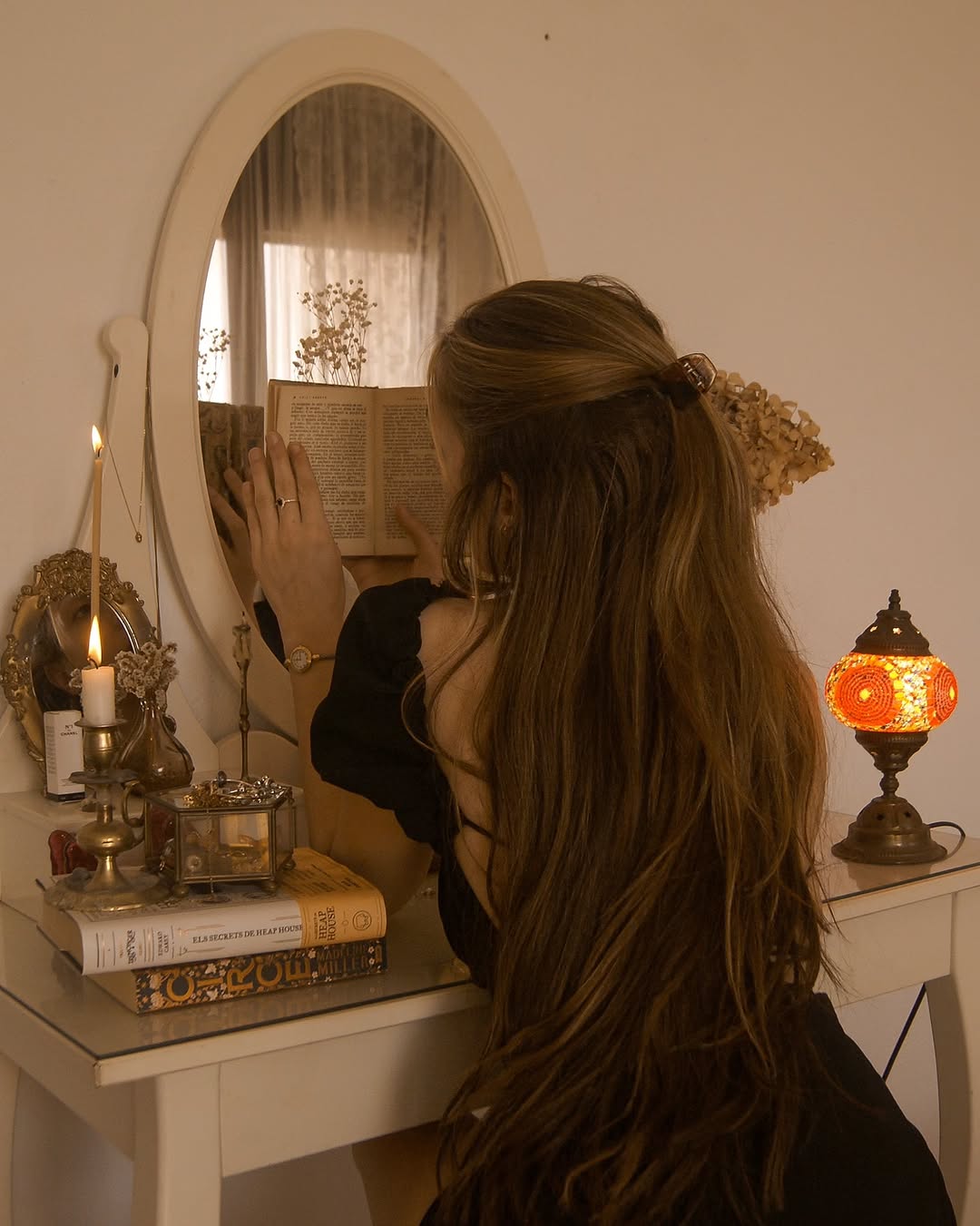
This only works if you have a deep window ledge (12+ inches) or a low window where you can sit on the floor leaning against the wall below it. I tried this in my last apartment—it had a 15-inch-deep window ledge with a radiator below. I put a 2-inch foam cushion on top of the ledge ($18 at IKEA, cut to size) and two throw pillows for back support.
What you need:
- Foam cushion or thick folded blanket
- 2-3 throw pillows for back and side support
- Blackout curtain or shade if reading during the day (optional)
Pros: Built-in natural light during the day. Doesn’t take up any floor space. Feels cozy and private if you have curtains.
Cons: Only works if your window architecture allows it. Can get drafty in winter. Radiator heat was too intense in my case (I could only use it October-March).
I loved this setup when it worked, but my current apartment doesn’t have deep window ledges. If you have the right window situation, this is one of the coziest options.
Layout 4: Bed as Reading Nook with Back Pillow (existing space)
Best for: People who already read in bed, studio apartments where the bed is your main seating
Minimum space needed: Your existing bed
Budget: $15-$40
Okay, this feels like cheating, but hear me out. Most people default to reading in bed anyway, but they do it lying down (which makes you sleepy) or propped up on flat pillows (which kills your neck). A back pillow or reading pillow turns your bed into an actual functional reading nook.
What you need:
- Backrest pillow with arms (Amazon: $25-$40) or husband pillow
- Good bedside lamp (you probably already have this)
- Small side table or lap desk for drinks
Pros: Zero additional space required. Already in your pajamas. Can transition straight to sleep when you’re done.
Cons: Blurs the line between reading space and sleep space (some sleep experts say this hurts sleep quality). Easy to get drowsy. Can feel less special than a dedicated nook.
I use this setup for pre-bed reading (reading before bed has been shown to improve sleep quality, especially compared to phone scrolling). But I don’t consider it my “reading nook”—it’s more of a backup when I’m too tired to sit upright.
Layout 5: Folding Chair + Side Table (24″ x 18″ minimum)


Best for: Corners, hallway ends, spaces where you want portability
Minimum space needed: 24 inches x 18 inches
Budget: $35-$70
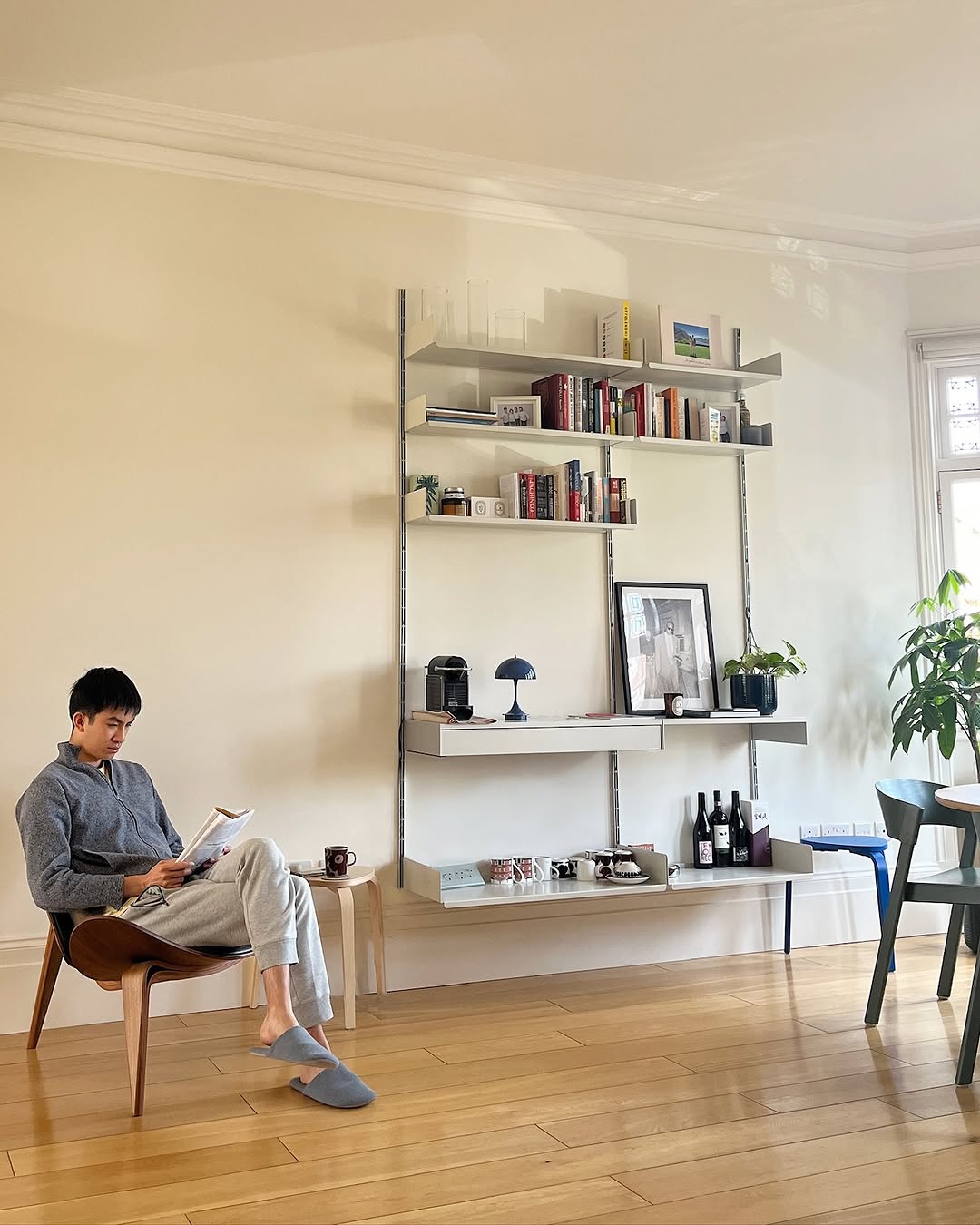
My friend Marcus lives in a railroad apartment with a narrow hallway connecting the bedroom and living room. He put a folding chair (IKEA TERJE, $15) and a small folding side table ($20) at the end of the hallway. When he’s not using it, he folds both flat and leans them against the wall. When he wants to read, setup takes 30 seconds.
What you need:
- Folding chair (wood or metal, $10-$25)
- Small folding side table or TV tray
- Seat cushion for comfort (optional, $10-$15)
- Floor or clip lamp
Pros: Completely collapsible. Can move to different rooms. Cheap. Works for people who don’t want a permanent furniture commitment.
Cons: Folding chairs aren’t super comfortable for long sessions. Can feel temporary/makeshift rather than cozy. Takes effort to set up and put away each time.
Marcus reads for about 30 minutes a day and says the setup works for him because he doesn’t want furniture in his hallway full-time. If you read for longer than 45 minutes at a stretch, I’d invest in something more comfortable.
Layout 6: Loft Bed Nook Underneath (48″ x 72″ minimum)
Best for: Studio apartments, dorm rooms, spaces where you’re willing to loft your bed
Minimum space needed: 48 inches x 72 inches (full footprint under loft bed)
Budget: $100-$300 (for lofting setup if you don’t already have a loft bed)
If you’re willing to loft your bed (either with a loft bed frame or bed risers that get it 4+ feet off the ground), you create an entire reading nook area underneath. My coworker Priya did this in her studio—she has a full-size mattress on a loft frame, and underneath she put a papasan chair, small bookshelf, and string lights.
What you need:
- Loft bed frame (IKEA STORÅ: $300, or DIY with risers for $100-$150)
- Seating (chair, floor cushions, or small loveseat)
- Lighting (string lights or floor lamp)
- Bookshelf or storage (optional)
Pros: Creates a whole separate “room” in a studio. Feels intentional and cozy. Maximizes vertical space.
Cons: Expensive upfront. Not ideal if you have mobility issues (climbing a ladder every night). Can feel cave-like if lighting isn’t right. Harder to change your mind later (once the bed is lofted, you’re committed).
Priya loves her setup and says it transformed her studio from “one big room” to “bedroom upstairs, reading nook downstairs.” If you’re in a studio long-term and want to maximize space, this is worth considering.
Layout 7: Closet Reading Nook (24″ x 36″ minimum)
Best for: Renters with walk-in closets or large closets they don’t fully use
Minimum space needed: 24 inches x 36 inches of empty closet floor space
Budget: $50-$100
This is the most unconventional option, but I’ve seen it work in three different apartments. If you have a walk-in closet (or a large reach-in closet where you can remove the door), you can turn part of it into a reading nook. My friend Jess moved her hanging clothes to one side, put a floor cushion and small bookshelf on the other side, and added battery-powered string lights to the walls (no holes—she used Command hooks).
What you need:
- Floor cushion or small chair
- Battery-powered string lights or puck lights
- Command hooks for lights (if renting)
- Small shelf or basket for books
Pros: Completely private and enclosed (perfect if you have roommates). Doesn’t take up any visible living space. Feels secret and cozy.
Cons: Can feel claustrophobic if you don’t like tight spaces. Requires giving up some closet storage. Lighting has to be intentional (closets are dark). Might look weird to guests if they open your closet.
Jess reads in hers every night before bed and says it’s the only truly private space in her shared apartment. I’d try this if I had a walk-in closet, but my current closet is 18 inches deep and jammed with clothes.
Layout 8: Corner Armchair + Floor Lamp (30″ x 30″ minimum)
Best for: Bedrooms or living rooms where you have an empty corner
Minimum space needed: 30 inches x 30 inches
Budget: $100-$250
This is the most “traditional” reading nook setup—an armchair in a corner with a floor lamp next to it. It looks like what you see on Pinterest, but it only works if you actually have 30 x 30 inches of corner space to spare. I don’t in my apartment, but my sister does in her one-bedroom.
She got a used accent chair on Craigslist for $60, put it in the bedroom corner between her dresser and the wall, and added a $25 floor lamp from Target. She also hung a small floating shelf above the chair for her current book stack.
What you need:
- Armchair or accent chair (used: $40-$100, new: $150-$300)
- Floor lamp
- Side table or floating shelf (optional)
- Throw blanket and pillow for coziness
Pros: Looks polished and intentional. Comfortable for long reading sessions. Easy to resell or move if needed.
Cons: Takes up legitimate floor space. More expensive than minimalist setups. Requires having a corner that isn’t already occupied by furniture.
If you have the space and budget, this is the most classic reading nook setup. It also works for guests—it’s just “an armchair” that happens to be your reading spot.
For more ideas on arranging furniture in small spaces, check out my thrift store living room makeover—I used a similar corner strategy with a secondhand armchair.
Layout 9: Bench Under Window (48″ x 16″ minimum)
Best for: Apartments with low windows and wall space underneath
Minimum space needed: 48 inches wide x 16 inches deep
Budget: $60-$150
If you have a low window with empty wall space underneath, you can put a storage bench or narrow bookshelf-bench combo below it. This works best with windows that are 24-36 inches off the floor.
My neighbor Anna has a long, low window in her bedroom. She put an IKEA KALLAX shelf unit (the 2×4 cube version, turned on its side) under the window, added a foam cushion on top, and uses the cubbies for book storage. Total cost: $85 (shelf + cushion + throw pillows).
What you need:
- Bench, storage bench, or low bookshelf (16-18 inches deep max)
- Cushion for seating (2-4 inches thick)
- Throw pillows for back support
- Natural light from window (or add a lamp if reading at night)
Pros: Built-in storage for books. Natural light during the day. Looks intentional. Adds seating to your bedroom without taking up extra space.
Cons: Only works with the right window placement. Bench has to be narrow enough not to block walkways. Can feel hard after a while (add a thicker cushion).
Anna reads on hers every morning with coffee and says the natural light makes a huge difference in how awake she feels. I’d do this if my apartment had the right window setup.
Layout 10: Hanging Chair (36″ diameter minimum clearance)
Best for: High ceilings, exposed beams, people who want a statement piece
Minimum space needed: 36 inches diameter of clearance (the chair swings)
Budget: $100-$250
This is the splurge option. Hanging chairs look amazing and feel like a vacation every time you sit in them, but they require either a ceiling beam you can drill into or a freestanding frame. I’ve never done this in a rental (not worth the security deposit risk), but my friend Olivia has one in her house and I’m deeply jealous every time I visit.
What you need:
- Hanging chair ($80-$150 for chair, $50-$100 for frame if no ceiling mount)
- Ceiling mount hardware (if allowed) or freestanding frame
- Cushions and throw blanket
Pros: Looks incredible. Extremely comfortable. Fun to sit in (it swings). Becomes a focal point of the room.
Cons: Expensive. Requires drilling into ceiling or buying a frame. Takes up significant space (the swing radius). Not ideal for renters. Can feel too trendy (might date quickly).
If you own your apartment or your landlord allows ceiling mounts, and you have the space and budget, this is the ultimate reading nook flex. But for most small-space renters, it’s not practical.
How to Choose the Right Layout for Your Space
Here’s how I’d decide:
If you have less than 24 inches of width: Go with Layout 1 (floor cushion) or Layout 4 (bed as nook).
If you have 24-36 inches of width: Try Layout 2 (papasan chair), Layout 5 (folding chair), or Layout 7 (closet nook).
If you have a corner with 30+ inches on each side: Go with Layout 8 (armchair + lamp).
If you have a window with space underneath: Try Layout 3 (window ledge), Layout 9 (bench under window), or Layout 6 (if lofting your bed).
If you want something portable or temporary: Go with Layout 5 (folding chair).
If you’re willing to commit to a bigger project: Try Layout 6 (loft bed nook) or Layout 10 (hanging chair).
I tested Layouts 1, 4, and 8 in my apartment over six months. Layout 1 worked best for my space (the 22-inch gap between bed and window). Layout 4 is my backup for lazy nights. Layout 8 is my dream setup if I ever move to a place with bigger bedrooms.
The 3 Things Every Reading Nook Needs (Beyond Furniture)
Interior designer Maria Lopez told me, “The furniture is just the frame. What makes it feel like a reading nook is lighting, texture, and intentionality.”
Here’s what she means:
1. Good Lighting (That Doesn’t Hurt Your Eyes)
You need at least 50 lumens per square foot for reading without eye strain. Most living room overhead lights are 20-30 lumens, which is why reading on the couch feels harder than it should.
Best lighting options for small nooks:
- Clip lamp: $10-$15, clamps onto furniture or shelves (this is what I use)
- Floor lamp: $20-$40, adjustable arm is ideal
- String lights: $8-$15, good for ambient lighting but not enough for actual reading
- Puck lights: $12-$20 for battery-powered 3-pack, stick to walls with Command strips
I use a clip lamp with a daylight LED bulb (5000K color temperature). It cost $12 and makes a huge difference—I can read for an hour without my eyes getting tired.
2. Soft Textures (Blankets, Pillows, Cushions)
Even a hard folding chair feels cozy if you add a seat cushion, throw blanket, and lumbar pillow. I spent $28 at HomeGoods on two throw pillows and a blanket, and it transformed my floor cushion setup from “sitting on the ground” to “reading nook.”
What to add:
- Throw blanket (for warmth and coziness)
- 1-2 throw pillows (for back or neck support)
- Seat cushion if your seating is hard (floor, bench, or wooden chair)
Don’t skip this. The difference between “uncomfortable corner” and “cozy reading nook” is usually just $30 worth of soft stuff from TJ Maxx.
3. A Place to Put Your Drink and Current Book
This sounds obvious, but I didn’t think about it until I kept knocking over my water bottle while reaching for it on the floor. You need a small side table, floating shelf, or basket within arm’s reach.
Options under $20:
- Small folding side table (Target: $12-$18)
- Wall-mounted floating shelf (Amazon: $10-$15)
- Wicker basket or bin next to your seat (thrift stores: $3-$8)
I use a $6 wicker basket from Goodwill. It holds my current book, my water bottle, a pen, and my phone (which I try to keep face-down so I don’t get distracted).
What I’d Do Differently If I Started Over
I wasted $45 on things that didn’t work:
- A reading light that was too dim: I bought a $15 clip lamp with a 25-watt incandescent bulb. It looked cozy but wasn’t bright enough to actually read by. I replaced it with a daylight LED bulb ($3) and the problem was solved.
- A floor cushion that was too thin: My first floor cushion was 2 inches thick. After 20 minutes, I could feel the floor through it. I upgraded to a 4-inch meditation cushion ($25) and it made a huge difference.
- Throw pillows that were too small: I bought decorative 12-inch pillows that looked cute but didn’t provide any back support. I replaced them with 18-inch pillows ($10 each at TJ Maxx) and now I can lean back comfortably.
If you’re just starting out, prioritize function over aesthetics. You can make it look cute later. Start with: comfortable seat, good light, soft blanket. Everything else is optional.
For more small-space decorating tips, check out my guide on paint colors that make small rooms look bigger—the right wall color can make your reading nook feel more spacious.
Real Budgets: What 3 Different Setups Actually Cost
Here’s what I spent on three different reading nook attempts:
Setup 1: Floor Cushion Nook (my current setup)
- Floor cushion: $25 (Bed Bath & Beyond)
- Two throw pillows: $20 (TJ Maxx)
- Throw blanket: $15 (Target clearance)
- Clip lamp: $12 (Amazon)
- LED bulb: $3 (Lowe’s)
- Wicker basket: $6 (Goodwill)
- Total: $81
Setup 2: Folding Chair Nook (at my friend Marcus’s place)
- Folding chair: $15 (IKEA TERJE)
- Seat cushion: $12 (Amazon)
- Folding side table: $18 (Target)
- Floor lamp (used): $10 (Facebook Marketplace)
- Throw blanket: $12 (thrift store)
- Total: $67
Setup 3: Armchair Nook (my sister’s bedroom)
- Used accent chair: $60 (Craigslist)
- Floor lamp: $25 (Target)
- Throw blanket: $15 (HomeGoods)
- Two throw pillows: $20 (TJ Maxx)
- Floating shelf: $12 (IKEA)
- Total: $132
All three setups work. The floor cushion is the cheapest and fits the smallest space. The armchair is the most comfortable but requires more space and budget. Pick what fits your situation.
The One Thing That Made the Biggest Difference
After testing all of this, the single most important factor wasn’t the furniture—it was treating the space like it’s actually for reading, not scrolling.
I know that sounds cheesy, but hear me out. For the first two weeks, I’d sit in my reading nook with my phone next to me “just in case.” I’d read for 10 minutes, check Instagram for 5, read for another 10, check texts, and so on. The nook didn’t feel special because I wasn’t using it differently than I use my couch.
Then I started leaving my phone in another room. Just for 30 minutes. I’d set a timer, sit down with a book, and read until the timer went off. And suddenly the nook felt like a reading nook. The habit made the space, not the furniture.
Now I read for 45 minutes most evenings, usually right after dinner. My reading nook cost $81 and fits in a 22-inch gap, but the real investment was deciding to actually use it for reading.
If you want to create a reading nook in your small apartment, start by measuring your underused spaces. You probably have at least one spot that’s 18-24 inches wide and not doing anything useful. Put a cushion there, add a light, and see what happens. You don’t need a whole room. You just need 30 minutes and a corner.
For more DIY decor projects that work in small spaces, check out my guide on budget gallery wall ideas—it’s another way to make a small apartment feel more intentional without spending a lot or taking up floor space.
Frequently Asked Questions
Yes—studio apartments often have underused corners, gaps between furniture, or space under loft beds. The floor cushion layout (18″ x 24″) or folding chair setup (24″ x 18″) work well in studios. I’ve also seen closet reading nooks and bed-as-nook setups work in studios under 400 square feet.
You can create a functional reading nook in as little as 18 inches of width (floor cushion against wall) by 24 inches of depth. This fits in gaps between furniture, narrow corners, or next to a dresser. The key is good lighting and a comfortable seat—size matters less than setup.
Use a good reading lamp with at least 450 lumens (50 lumens per square foot for a 9-square-foot nook). Clip lamps ($10-$15), floor lamps ($20-$40), or adjustable desk lamps work well. Choose daylight bulbs (5000K) to reduce eye strain. I use a clip lamp with an LED bulb in my windowless reading corner.
It depends on your space. For corners under 30″, use a floor cushion or folding chair. For 30-36″ corners, a papasan chair or small armchair works well. For tight gaps (18-24″), skip the chair and use floor cushions with back support. Prioritize comfort for your typical reading session length (30 min vs 2 hours).
You can create a functional reading nook for $35-$80. Floor cushion setups cost $35-$60 (cushion, lamp, blanket). Folding chair setups cost $50-$80 (chair, side table, cushion, light). Armchair setups cost $100-$250 (chair, lamp, pillows, blanket). Used furniture from thrift stores or Facebook Marketplace cuts costs significantly.
If you are working on a complete studio redesign, our studio apartment layout guide covers 10 full configurations that create clear zones for sleeping, living, and working.
Leave a Reply