I spent two months trying to make my living room look like a Pinterest board before I realized the photos were lying to me. Not in an obvious Photoshop way—in a sneakier way. The rooms were real, but they weren’t homes. They were staged sets that no one actually lives in, shot from perfect angles with professional lighting and every messy detail removed before the camera clicked.
The tipping point came when I tried to recreate a “cozy reading corner” I’d saved on Pinterest. It showed a cream armchair next to a window, with a chunky knit blanket, a small side table holding a coffee mug and a stack of books, and a potted plant in the corner. It looked effortless. I spent $160 at thrift stores and HomeGoods trying to match it. My version looked…off. The chair didn’t fit in the corner the same way. The blanket looked lumpy instead of draped. The plant was too big, then too small when I exchanged it. The books kept sliding off the table. And the whole thing blocked the walkway to my bedroom.
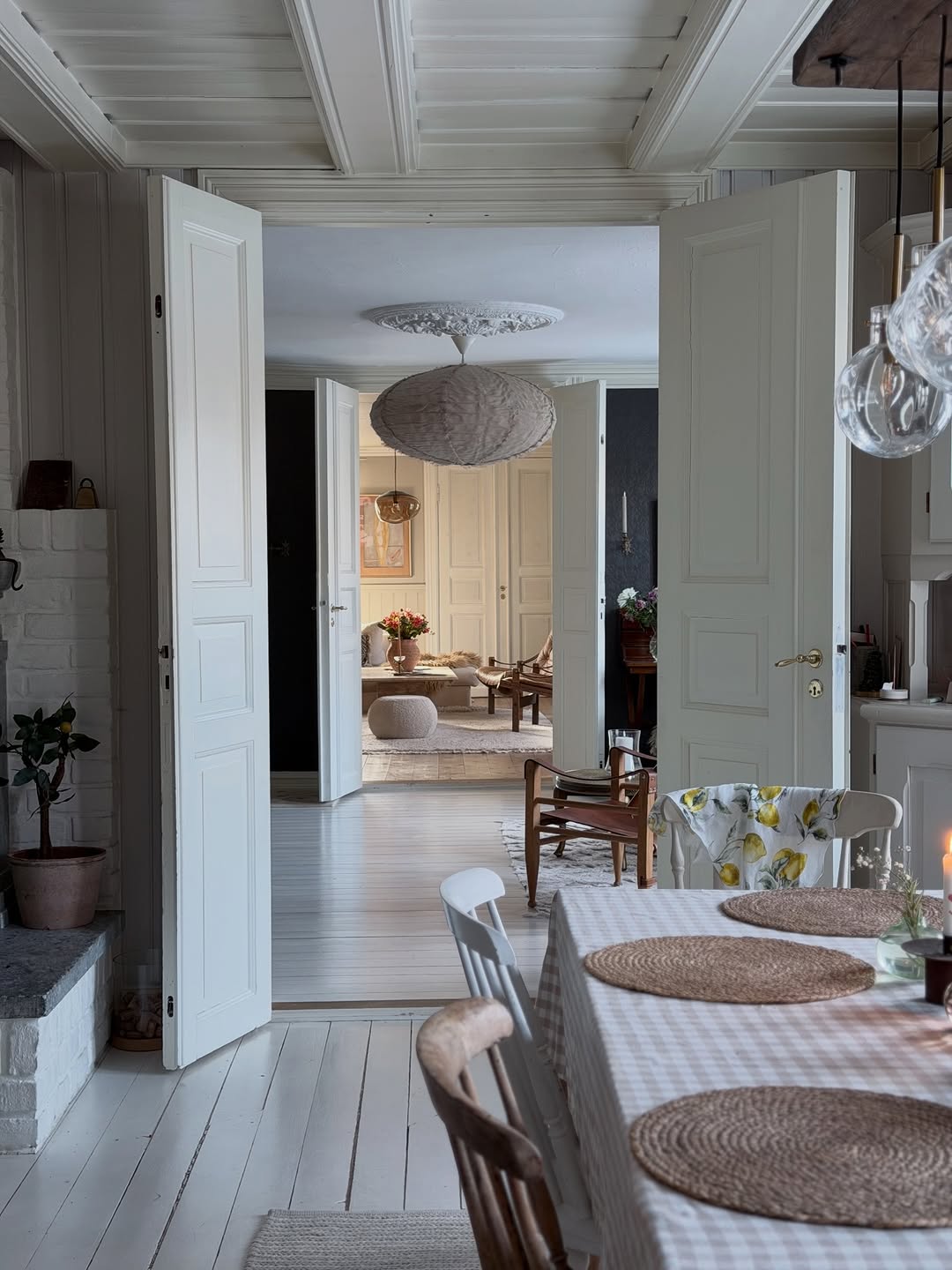
Then I zoomed in on the original Pinterest photo and realized: there was no baseboa
rd visible behind the chair. The wall was blank white with no outlets, scuffs, or imperfections. The window had no blinds or hardware. The photo was taken in an empty rental staged for listing photos, not someone’s actual home. The room didn’t have furniture in any other corner because no one lives there.
That’s when I started actually comparing Pinterest vs reality home decor honestly, and I found the same tricks in hundreds of pins. Here’s what those perfect rooms aren’t showing you—and how to style your actual home without trying to recreate a fake set. (For budget-friendly decorating strategies that work in real apartments, check out my guide on how to style your home for under $500.)

The 7 Staging Tricks That Make Pinterest Rooms Look Perfect
Interior photographer Jen Park told me, “Most Pinterest-popular home photos are either professional staging for real estate listings, brand shoots for furniture companies, or influencer content where the room is cleaned and rearranged specifically for one photo—then put back to normal immediately after.”
Here are the tricks they use that you can’t (or shouldn’t) replicate:
1. Everything Functional Is Hidden or Removed
Pinterest living rooms never show:
- TV remotes
- Charging cables
- Coasters with water rings
- Mail, keys, or phone on the side table
- Actual shoes by the door (they show one artfully placed pair, max)
- Router and modem
- Thermostats
- Light switches with fingerprints
Photographer Mark Chen said, “We remove or hide anything that says ‘people live here’ before shooting. We unplug every visible cord, take down any wall clutter, and either edit out outlets and light switches or shoot from angles where they’re not visible.”
In a real home, you need places to put your phone, keys, remotes, and charging cables. You have a router that needs to be near the TV. You have light switches. When you try to style a room to look like Pinterest, you end up with a beautiful space that’s annoying to live in because none of your stuff has a place to go.
2. The Camera Angle Is Doing a Lot of Work
Most Pinterest room photos are shot from one specific corner at a slightly elevated angle (standing on a stool or short ladder). This angle:
- Makes the room look bigger
- Hides clutter in other corners
- Shows the “perfect” 60-70% of the room
- Avoids showing doors, closets, or anything awkward
I tested this in my apartment. I took a photo of my living room from the “Pinterest angle” (standing on a chair in the corner, shooting slightly downward). Then I took a photo from eye level where I actually see the room every day. The Pinterest-angle version looked 30% bigger, way less cluttered, and had better lighting. The eye-level version showed my bedroom door half-open, the kitchen in the background, and my coat rack blocking part of the window.
Pinterest isn’t showing you the whole room—just the best corner from the most flattering angle.
3. Furniture Is Pulled Away From Walls for the Photo
In real homes, sofas go against walls to maximize floor space. In Pinterest photos, sofas are pulled 12-18 inches away from the wall because it looks better in photos (creates depth and shadow).
Interior stylist Rebecca Soto told me, “We call this ‘floating the furniture.’ It makes rooms look more expensive and professionally designed. But in small apartments, floating furniture wastes precious space. We push everything back against the wall as soon as the photo is done.”
If you try to float your furniture like Pinterest, you lose 12-18 inches of walkway space around every piece. In a 400-square-foot studio, that’s not realistic.
4. Lighting Is Professionally Controlled
Pinterest rooms either have:
- All-natural light (photo taken at golden hour with perfect sun angles)
- Professional photography lighting (softbox lights that make everything glow)
- Heavily edited brightness and contrast
Your apartment with one north-facing window and overhead fluorescent lighting will never look like that with phone photos.
Photographer David Lee said, “I spend 10-15 minutes adjusting lighting for every room photo. I turn off overhead lights, add fill lights to remove shadows, and wait for cloud cover or direct sun depending on the effect I want. Then I edit brightness, saturation, and warmth in Lightroom. The average homeowner with an iPhone in their poorly lit apartment can’t replicate this.”
5. Every Object Is Styled (Not Used)
That coffee mug on the side table? It’s empty and placed at the perfect angle. The stack of books? They’re arranged by color and size, not read regularly. The throw blanket? It’s folded in the exact right pattern and will never actually be used to keep warm.
I tried keeping my living room “Pinterest ready” for one week. I folded the throw blanket every morning into the perfect drape. I arranged my coffee table books in order of size. I kept only one decorative item on the side table. By day three, I was exhausted. By day five, I gave up and just…lived in my apartment like a normal person.
Real homes have blankets that get actually used and left crumpled on the couch. Mugs that sit half-full of cold coffee on the side table. Books stacked in reading order, not aesthetic order. Keys and wallets that get dropped on surfaces.
6. They Shoot Before Anyone Lives There (or Just After Cleaning/Staging)
Most Pinterest home photos are taken:
- In empty apartments before move-in (staging photos for rentals)
- In Airbnbs between bookings (professionally cleaned and styled)
- In influencer homes right after professional cleaning services
- In furniture showrooms (not homes at all)
The rooms look perfect because no one has lived in them for more than 5 minutes.
I follow a few home influencers on Instagram who show “behind the scenes” of their Pinterest photoshoots. The room looks magazine-perfect for the photo, then they post a Story showing the same room 10 minutes later with toys scattered on the floor, laundry on the chair, and a laptop open on the coffee table. That’s what the room actually looks like 99% of the time.
7. Imperfections Are Edited Out
Even when Pinterest rooms are real homes, the photos are edited to remove:
- Scuff marks on walls
- Dust on shelves
- Pet hair on furniture
- Stains or wear on rugs
- Cords and cables
- Light switches, outlets, and thermostats
- Anything on the fridge door
- Clutter visible through doorways
Photographer Megan Torres said, “I spend 20-30 minutes in Photoshop removing visual distractions from home photos. I clone-stamp out outlets, cords, wall marks, and anything that breaks the ‘perfect’ illusion. Clients expect it—they want their homes to look like magazine spreads, not real lived-in spaces.”
When you look at your own living room and compare it to Pinterest, you’re comparing your actual everyday reality (scuffs, cords, and all) to a professionally edited fantasy. Of course yours looks worse. You’re not seeing the real version of their space.
What Happens When You Try to Live in a Pinterest Room
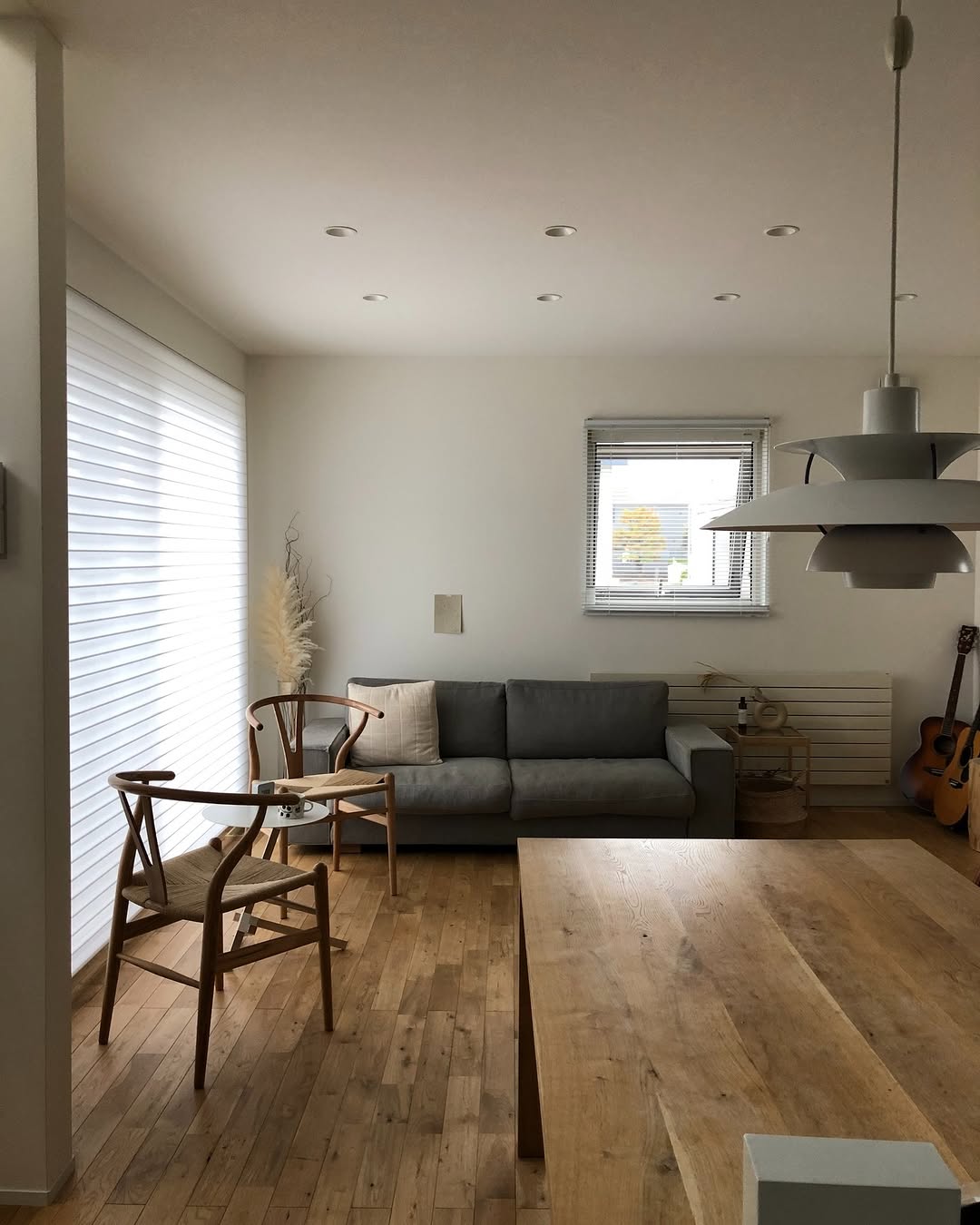

I tried to maintain a Pinterest-aesthetic living room for two months. Here’s what made it unsustainable:
Week 1: I was excited and motivated. I folded the blanket every morning. I cleared the coffee table of everything except three styled objects (candle, small plant, stack of books). I hid remotes in a drawer. I put charging cables behind furniture.
Week 2: Folding the blanket was getting annoying. The coffee table felt uselessly empty—nowhere to put my water glass or phone while watching TV. I kept forgetting where I’d hidden the remotes.
Week 3: I stopped folding the blanket. I started leaving my laptop on the coffee table because it was a pain to move it every time. The “perfect” aesthetic was breaking down.
Week 4: The throw pillows that I’d arranged perfectly every day were now shoved to the side of the couch because they were in the way when sitting. The decorative tray on the ottoman was piled with mail and keys. The coffee table had a water ring from a forgotten mug.
Month 2: My living room looked…like my living room. The Pinterest aesthetic had completely fallen apart. The only things that remained were the furniture and decor items themselves—but they were arranged for actual use, not for photos.
The rooms on Pinterest look perfect because they’re not being lived in. As soon as you try to use the space for its actual purpose (sitting on the couch, working on the coffee table, storing daily items), the perfection falls apart.
Interior designer Nicole Martinez told me, “I always tell clients: style your home for how you actually live, not for how it looks in photos. A beautiful room that’s annoying to use will make you unhappy. A slightly messy room that functions well will make you happier long-term.”
How to Style Your Home Honestly (Without Trying to Fake Pinterest)
Here’s what I do now instead of chasing Pinterest perfection:
1. Style for Function First, Photos Second
Ask yourself: What do I actually do in this room?
In my living room, I:
- Watch TV (need remotes, good sight lines, comfortable seating)
- Work on my laptop sometimes (need surfaces for my laptop and coffee)
- Read (need good lighting, place to set my book down)
- Eat meals (no dining table, so I eat on the couch)
- Charge my phone every night (need visible outlets or long cables)
Once I listed those out, I styled around them:
- Coffee table has space for laptop, water glass, and remote holder (a small basket, not hidden in a drawer)
- Side table has a good lamp for reading, plus my phone charger plugged in
- Couch has throw blanket and one pillow (the other 4 decorative pillows are in the closet—they looked nice but got in the way)
- TV is on a small stand with an “ugly” basket underneath holding cables and my router
Does it look like Pinterest? No. Does it work better than my attempted Pinterest setup? Absolutely.
2. Use the “Real Photo” Test
Instead of comparing your room to Pinterest, compare it to:
- Photos of friends’ homes on Instagram Stories (not curated posts—Stories are more real)
- Background shots in YouTubers’ homes during vlogs
- Behind-the-scenes of influencer content
- Real estate listing photos of occupied apartments (not staged vacant ones)
These show what actual lived-in homes look like. Spoiler: they all have some visible clutter, cords, and everyday mess.
I started screenshotting realistic home photos from Instagram Stories and saving them in a “Real Homes” folder. When I feel bad about my apartment not looking Pinterest-perfect, I compare it to those instead. And you know what? My apartment looks better than a lot of real homes because I’ve actually put effort into styling it—I’m just not comparing it to fantasy staging photos anymore.
3. Accept Visible Functionality
Some things can’t be hidden in a real home:
- Outlets and light switches
- Charging cables (unless you want to unplug and replug everything daily)
- Routers and modems
- Thermostats
- Door handles and hinges
- Baseboards and crown molding (or lack of it)
These are in every home. Pinterest photos hide or edit them out. You can’t (and shouldn’t have to).
Instead of trying to hide functional stuff, I now just accept it’s there:
- My phone charger stays plugged into the side table
- My router sits on the TV stand (I put it in a basket so it looks slightly less ugly, but it’s visible)
- The thermostat on my wall is…there. I’m not hanging art to cover it.
- Light switches have fingerprints sometimes. I wipe them when I notice.
Once I stopped viewing these as “flaws,” I stopped feeling bad about my space.
4. Style 60%, Leave 40% for Living
Interior designer Jordan Kim told me, “I tell clients to style 60% of their home and leave 40% free for daily life. That way it looks intentional but doesn’t feel like a museum where you can’t touch anything.”
What this looks like in practice:
- Style the coffee table with a candle and small plant—but leave space for daily items (laptop, water glass, snacks)
- Arrange books on the shelf by color if you want—but keep a few current-reads stacked horizontally on top (it’s okay if they’re not aesthetic)
- Fold the throw blanket most days—but don’t stress if it’s crumpled for a week
- Keep the kitchen counter mostly clear—but don’t hide your coffee maker or fruit bowl just for photos
My apartment looks “styled” most of the time, but it also looks lived-in. That’s the point. Pinterest rooms look unlived-in because they are.
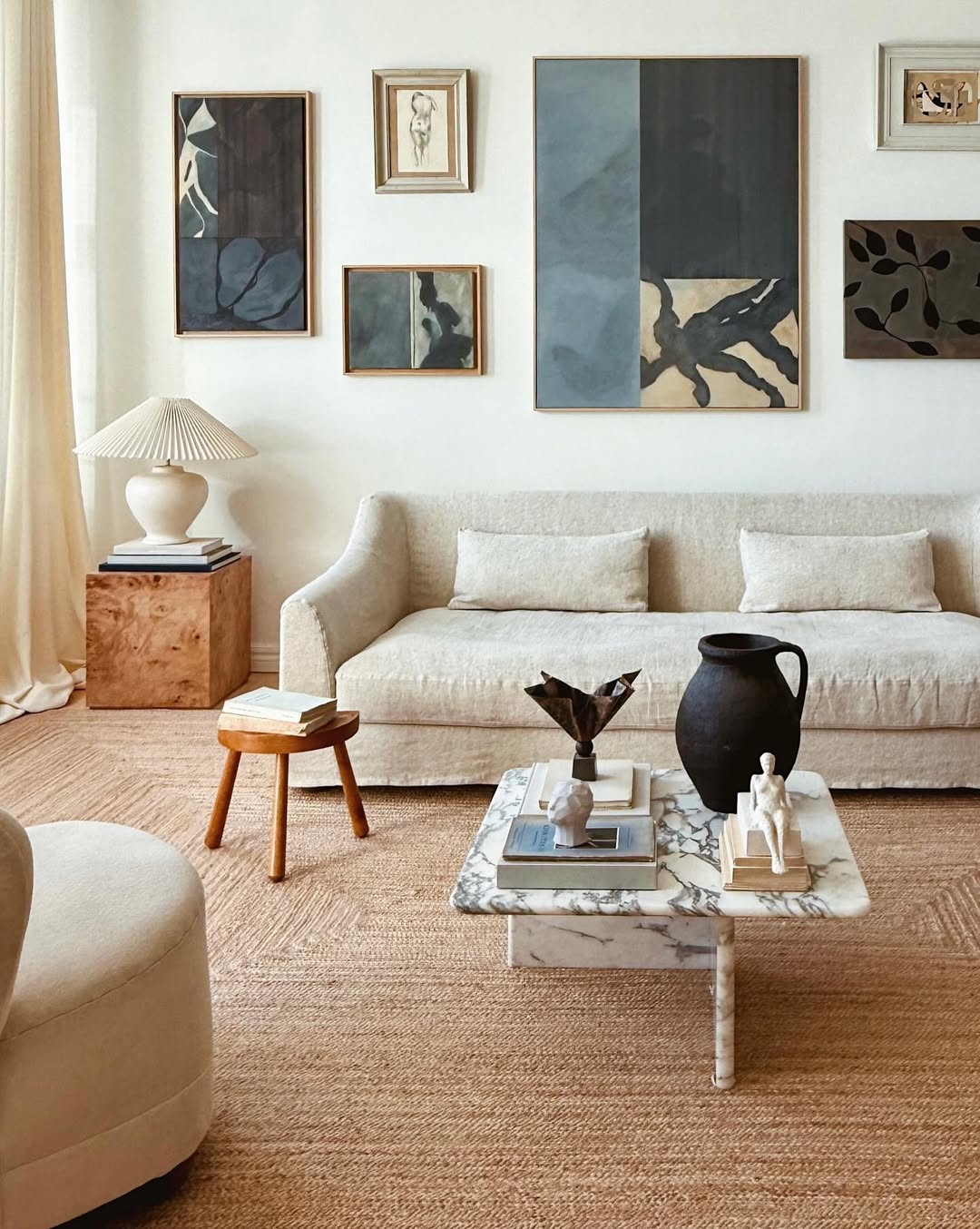
5. Take Your Own “Best Angle” Photo
I’m not anti-photo. I just think it’s helpful to know the difference between “this is how my home looks every day” and “this is the most flattering 5-second version of my home.”
I take my own “Pinterest angle” photos of my apartment sometimes—standing on a chair, shooting from the corner, making sure no clutter is in frame. It’s fun to see my space look its best. But I don’t compare my everyday view to that photo. That would be like comparing how I look rolling out of bed to how I look in my best selfie with perfect lighting.
Your home is allowed to look different in photos than it does in real life. The problem is Pinterest doesn’t label which one they’re showing you.
6. Follow Accounts That Show Real Homes
I unfollowed most home decor Pinterest boards and followed Instagram accounts that show realistic, lived-in spaces instead:
- Accounts that post “styled vs real” comparisons
- Accounts that show clutter and mess alongside styled shots
- Accounts in small apartments or rentals (not 2000-square-foot houses with dedicated reading rooms)
- Accounts that talk about budget constraints, not just aesthetics
Seeing other people’s real homes made me feel way less bad about mine. Turns out most people’s coffee tables have some clutter on them. Most people have visible cords. Most people’s throw blankets are crumpled most days.
For more realistic inspiration, check out my thrift store living room makeover—it’s a real apartment with real budget constraints, not a staged set.
The Pinterest Trends That Don’t Work in Real Homes
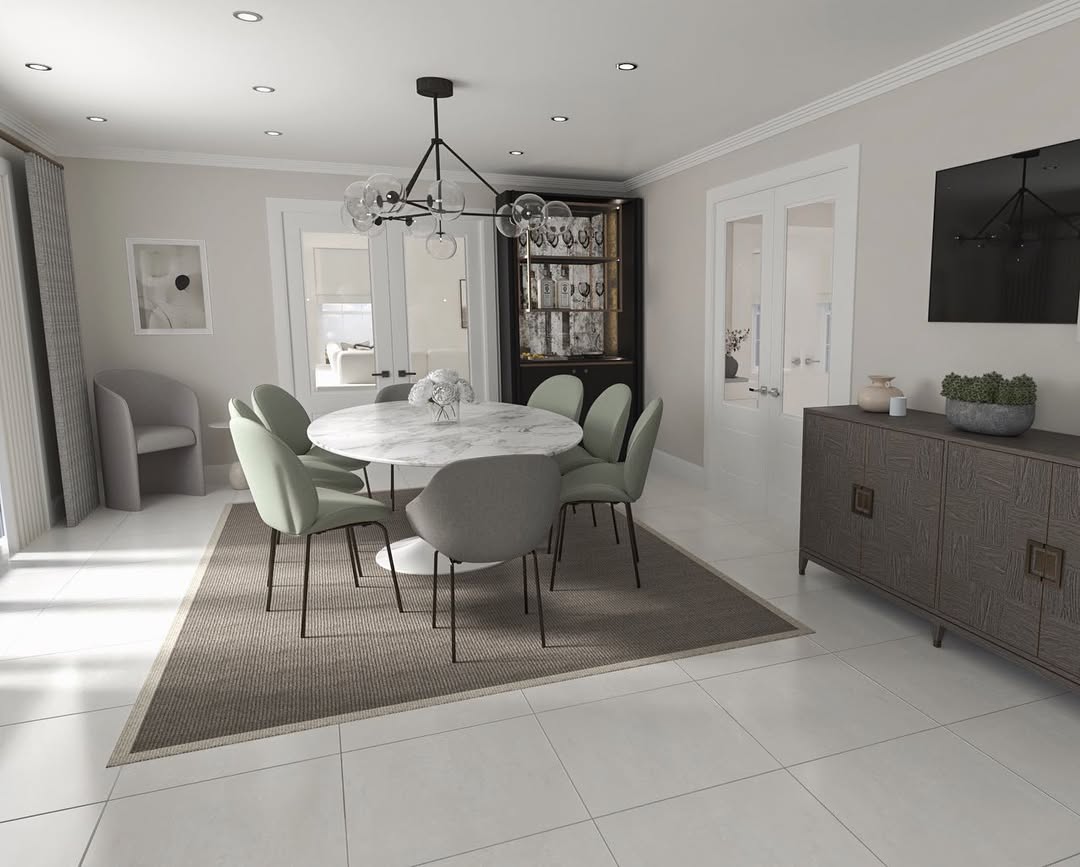
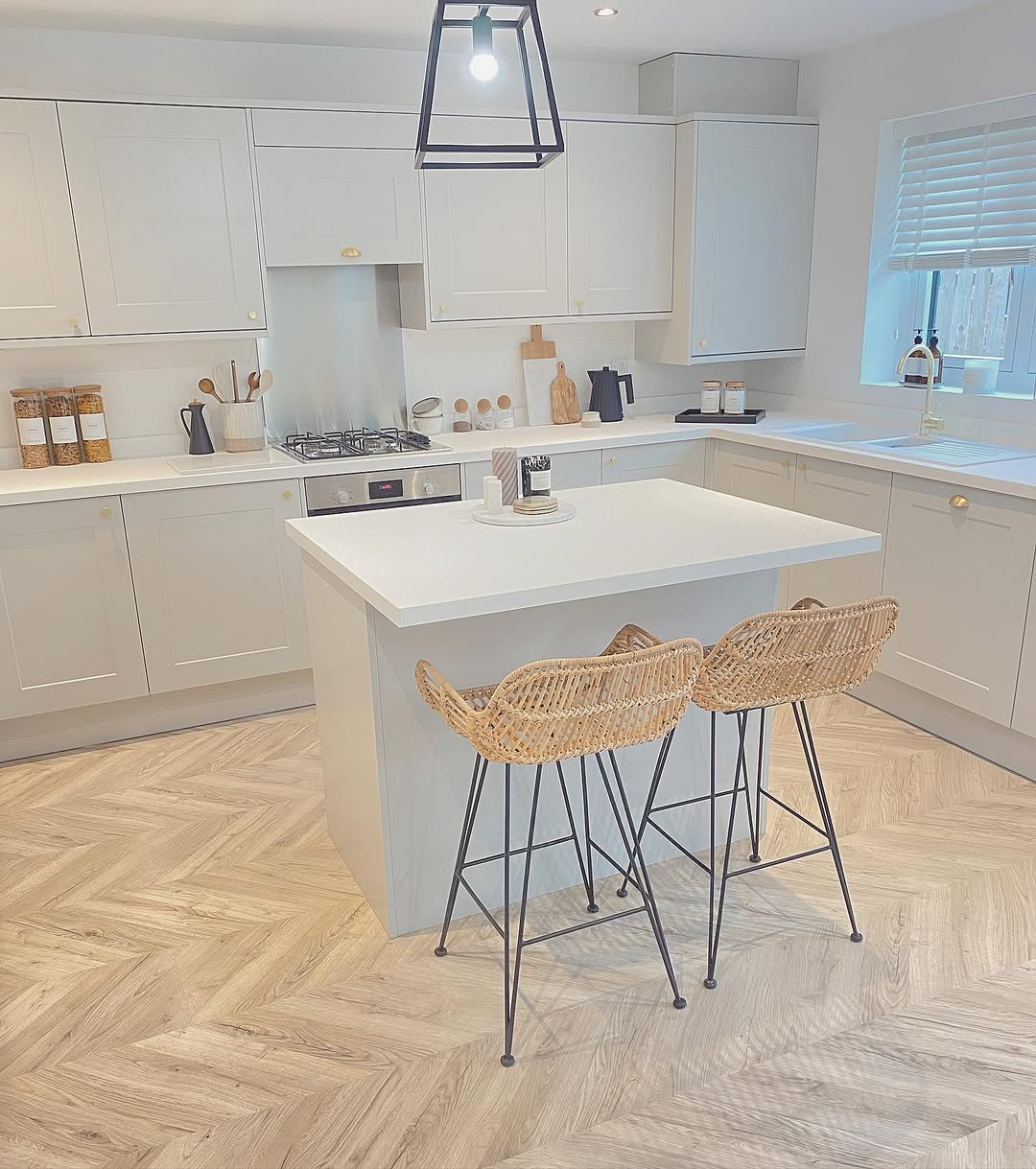

Some Pinterest aesthetics look great in photos but are terrible to live with:
All-white everything: Sounds elegant until you have to clean it weekly. White sofas, white rugs, white curtains all show every spill, smudge, and dirt mark. Unless you have no pets, no kids, and don’t wear shoes indoors, this is unsustainable.
Open shelving in kitchens: Looks beautiful in photos. In real life, your dishes get dusty/greasy, and you have to keep everything perfectly arranged or it looks messy. Most people end up putting things back in cabinets after trying open shelving.
Floating everything (floating desks, floating shelves, floating nightstands): Great for photos because it makes rooms look bigger. Annoying in real life because you can’t shove storage bins underneath and you lose functional space.
Plants in every corner: Only works if you have great natural light and actually enjoy plant care. I tried the “plant-filled room” look and half of them died within 3 months because my apartment doesn’t get enough light.
Gallery walls with 20+ frames: Look amazing in pins. In real life, you spend 4 hours hanging them, realize they’re not level, and then never change them out because it’s too much work.
These trends work for photos, not necessarily for living. If you love how something looks and you’re willing to maintain it, great. But don’t feel bad if you try a Pinterest trend and find it doesn’t work for your actual life.
What My Home Looks Like Now (Post-Pinterest Recovery)
I stopped trying to make my apartment look like a Pinterest board about six months ago. Here’s what changed:
My coffee table: Has a candle and a small plant (styled), plus space for my laptop, water glass, and a basket holding remotes (functional). Most days there’s also a book and my phone charger. It looks slightly cluttered and I’m fine with that.
My couch: Has one throw blanket and one pillow. The blanket is folded some days, crumpled other days. The pillow is actually comfortable, not just decorative.
My side table: Has a good reading lamp, a small stack of books, and my phone charger plugged in 24/7. I don’t hide the cord.
My walls: Have a few pieces of art that I actually like, not arranged in a perfect grid. Some walls are blank because I haven’t found art I want yet, and that’s fine.
My TV stand: Has my TV, a basket holding my router and cables, and a small plant. It’s not hidden in a cabinet—I can see it from the couch, and I’m okay with that.
Does my apartment look as perfect as a Pinterest board? No. Does it look good enough while also being comfortable and functional to live in? Yes. And honestly, that’s what matters.
If you’re trying to style your home on a budget, focus on making it functional and comfortable first, then add decorative elements where they fit. For DIY decor ideas that work in real apartments, check out my budget gallery wall guide—it’s about creating something that looks good and that you’ll actually maintain.

The One Thing Pinterest Gets Right

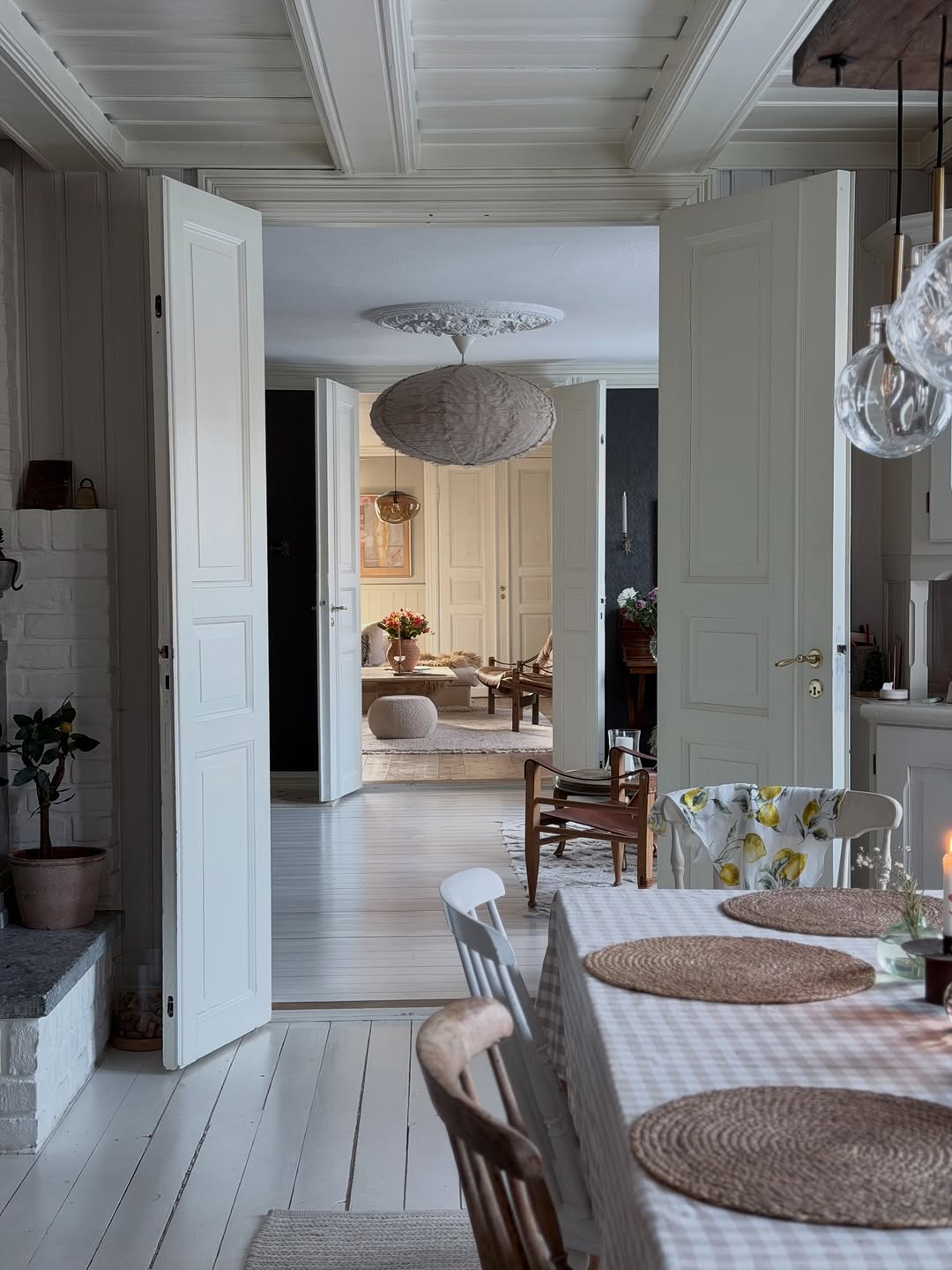

Here’s the thing: Pinterest isn’t evil. It’s just aspirational content, and there’s nothing wrong with that. The problem is when you don’t realize it’s aspirational and start thinking everyone else’s home actually looks like that all the time.
The one useful thing Pinterest does offer is style inspiration—color palettes, furniture arrangements, decor ideas. I still use it for that. I just don’t expect my space to look exactly like the photos, and I don’t feel bad when it doesn’t.
If you’re going to use Pinterest for home decor ideas, treat it like you’d treat fashion magazines: fun to look at, useful for inspiration, but not a realistic standard to hold yourself to every single day.
Frequently Asked Questions
Pinterest rooms are professionally photographed, styled specifically for the photo, and often edited to remove cords, outlets, and clutter. They’re either staged empty spaces, showrooms, or homes that were styled for 5 minutes before the photo was taken. Your home looks different because you actually live in it. Real homes have functional items, visible cords, and everyday mess that Pinterest photos hide.
Most influencers clean and style the room specifically before taking photos, then it returns to normal after. Many hire professional cleaning services, have dedicated time for styling (it’s their job), or only photograph certain angles/rooms. Behind-the-scenes content often reveals clutter and mess in other areas of their homes that don’t get photographed.
Focus on function first, aesthetics second. Style your home in ways that work for how you actually live (visible charging cables if you charge devices daily, comfortable seating even if it’s not the trendiest color). You can incorporate Pinterest-inspired ideas without making your home uncomfortable or high-maintenance. Aim for “looks good and works well” rather than “looks exactly like Pinterest.”
Use natural light (shoot during daytime near windows), tidy the visible area before photos (not the whole house), shoot from a corner at a slightly elevated angle (stand on a stool), and crop or frame the photo to show your best 60-70% of the room. Use phone editing apps to adjust brightness and contrast. Don’t compare these “best angle” photos to your everyday view of your space.
Practical trends that don’t require constant maintenance work best: neutral color palettes (easier to mix and match furniture), multi-functional furniture (storage ottomans, sofa beds), gallery walls with 3-5 frames (not 20+), removable wallpaper accents (if renting), and budget DIY projects. Avoid trends that require perfect daily upkeep (all-white everything, plants everywhere, open shelving).
Leave a Reply