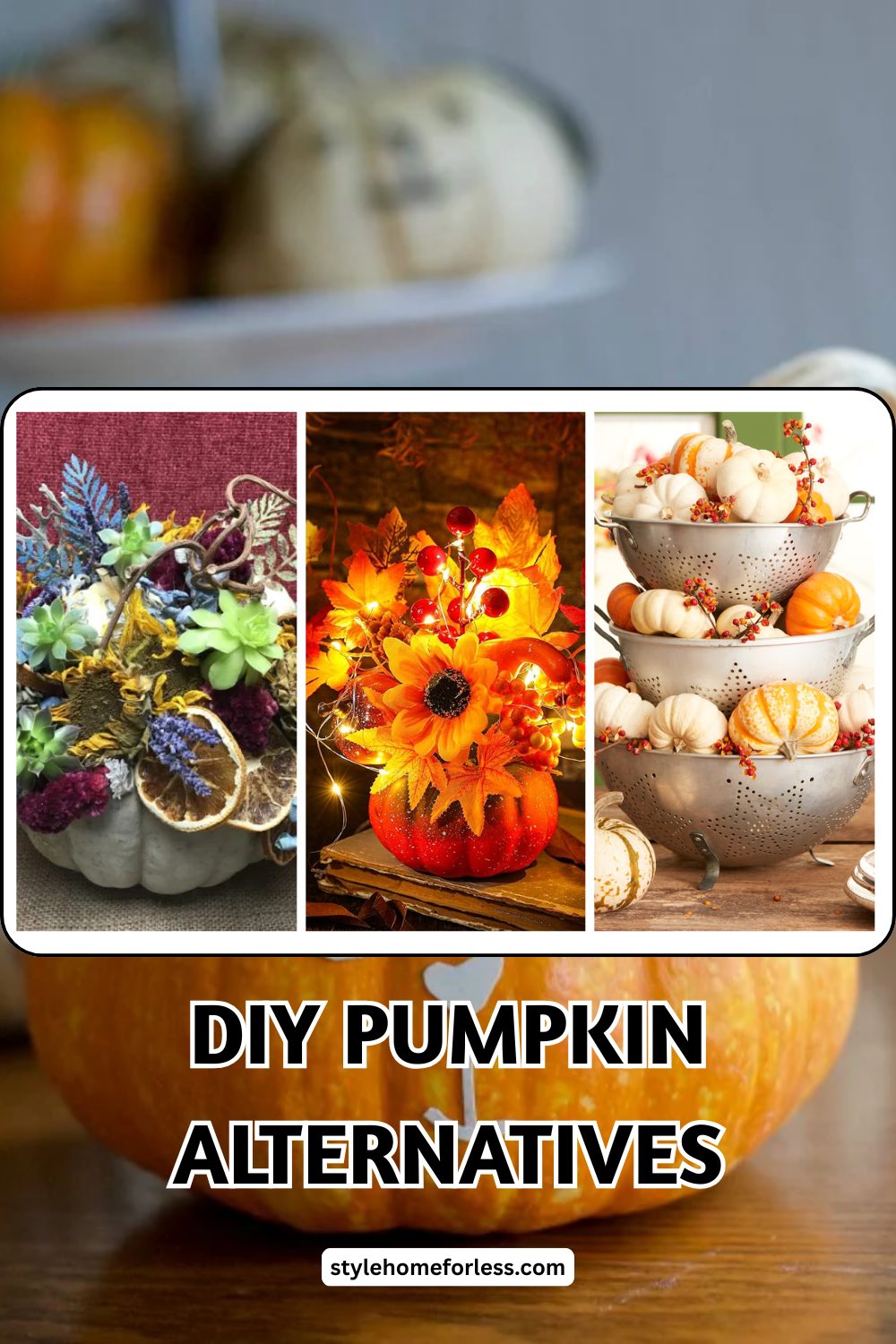
When you’re over pumpkins but not over fall vibes
Last weekend, I was standing in the grocery store staring at a display of pumpkins that cost more than my monthly Netflix subscription, when this woman next to me sighed and said, “Twenty-three dollars for three pumpkins? Are they made of gold?”
I felt her pain. Deeply.
But here’s what really got me thinking: when did we all decide that fall decorating had to revolve around orange pumpkins? Like, who made that rule? And why are we all just… following it?
Don’t get me wrong—pumpkins are cute. But after seeing the same orange gourd arrangements on every Pinterest board, Instagram feed, and neighbor’s front porch, I was ready for something different. Something that said “fall” without screaming “I bought everything at the same place as everyone else.”
That’s when I had my breakthrough moment: fall isn’t about pumpkins. It’s about warmth, texture, natural elements, and cozy vibes. You can create all of that without a single orange pumpkin in sight.
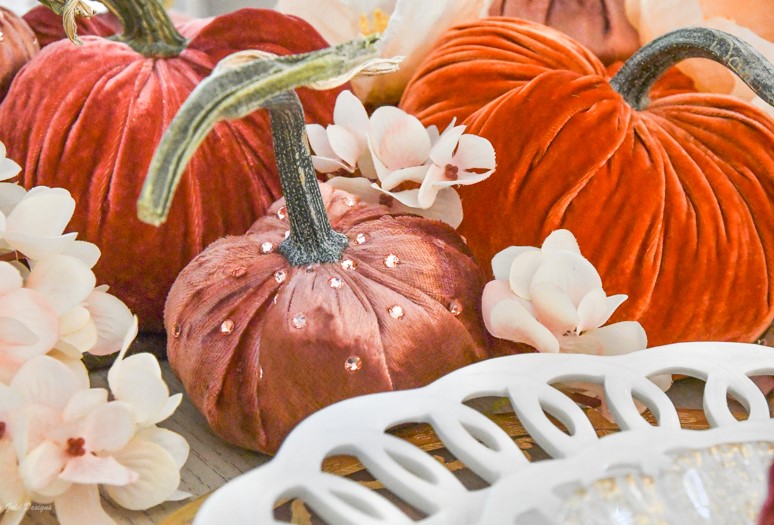
So I challenged myself to create ten different fall centerpieces using zero traditional pumpkins. The budget? Under $15 each. The goal? Making people say “Oh wow, that’s so much better than pumpkins.”
The Problem with Pumpkin-Centric Fall Decorating
Can we talk about this for a minute? Because I think we’re all trapped in some kind of seasonal groupthink.
The pumpkin problem:
- They’re expensive (especially the “decorative” ones)
- They rot if they’re real
- They look fake if they’re artificial
- Everyone uses them, so nothing looks unique
- They only work for about 6-8 weeks of the year
- They scream “Halloween” more than “elegant autumn”
But here’s the psychology part that got me interested: Your brain doesn’t actually need to see pumpkins to feel “fall vibes.” It just needs certain sensory cues:
- Warm colors (rust, gold, deep red, burgundy, burnt orange)
- Natural textures (wood, branches, dried elements)
- Seasonal scents (cinnamon, apple, woodsy fragrances)
- Cozy lighting (candles, warm bulbs, soft glow)
- Harvest elements (grains, nuts, fruits, vegetables)
Once I realized this, everything changed. Suddenly I could see fall potential in things I’d been walking past for years.
My $127 Experiment: 10 Centerpieces, Zero Pumpkins
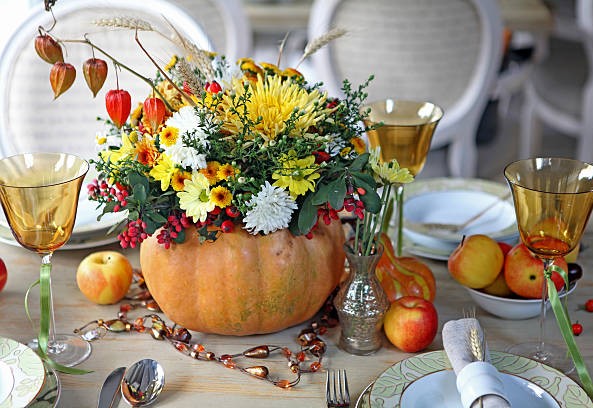
I gave myself a challenge: create ten completely different fall centerpieces for under $15 each, with zero traditional pumpkins allowed.
The rules:
- Budget: $15 maximum per centerpiece
- No orange pumpkins, traditional gourds, or obvious “fall decoration aisle” items
- Each one had to work on a different sized table or surface
- Had to look intentional, not like I was trying too hard to be different
- Must create genuine fall ambiance
The results surprised everyone, including me.
The 10 Pumpkin-Free Centerpieces That Actually Work
1. The Wheat Bundle Elegance ($12)
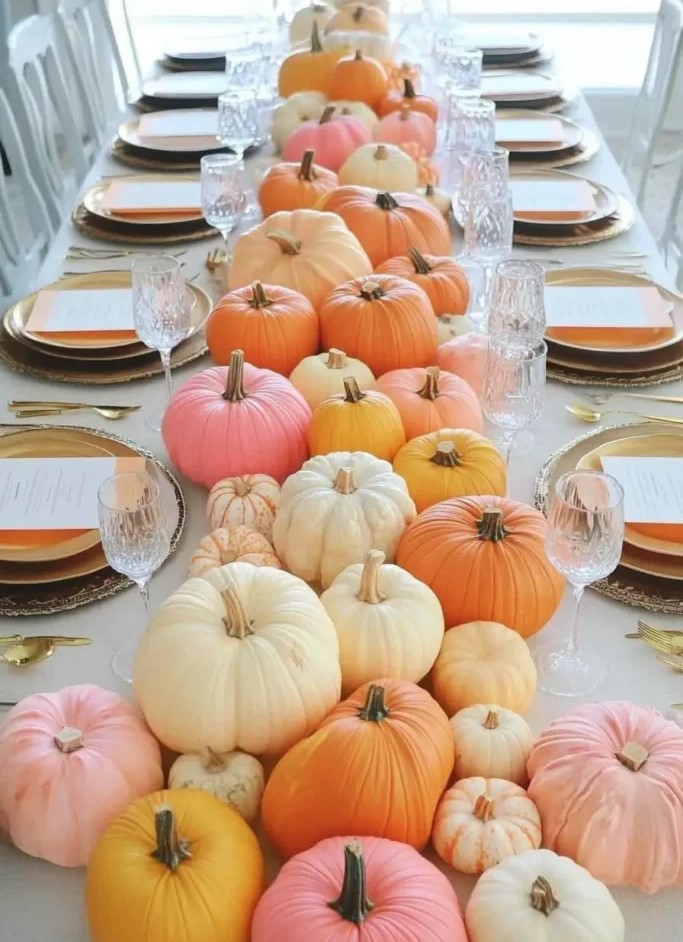
Supply List:
- Bundle of dried wheat or pampas grass: $6
- Tall glass cylinder vase: $3 (Dollar Tree)
- Natural raffia or twine: $2
- Battery-operated string lights: $4
Assembly: Bundle wheat with raffia, place in vase, weave string lights throughout for evening glow.
Why it works: The height creates drama, the wheat adds texture, and the lights make it magical after dark. Looks expensive, costs almost nothing.
Best placement: Dining room table, console table, or mantel where height won’t block conversation.
The surprise factor: This gets more compliments than any pumpkin arrangement I’ve ever made. People assume it cost way more than twelve dollars.
2. The Apple Orchard Tribute ($14)
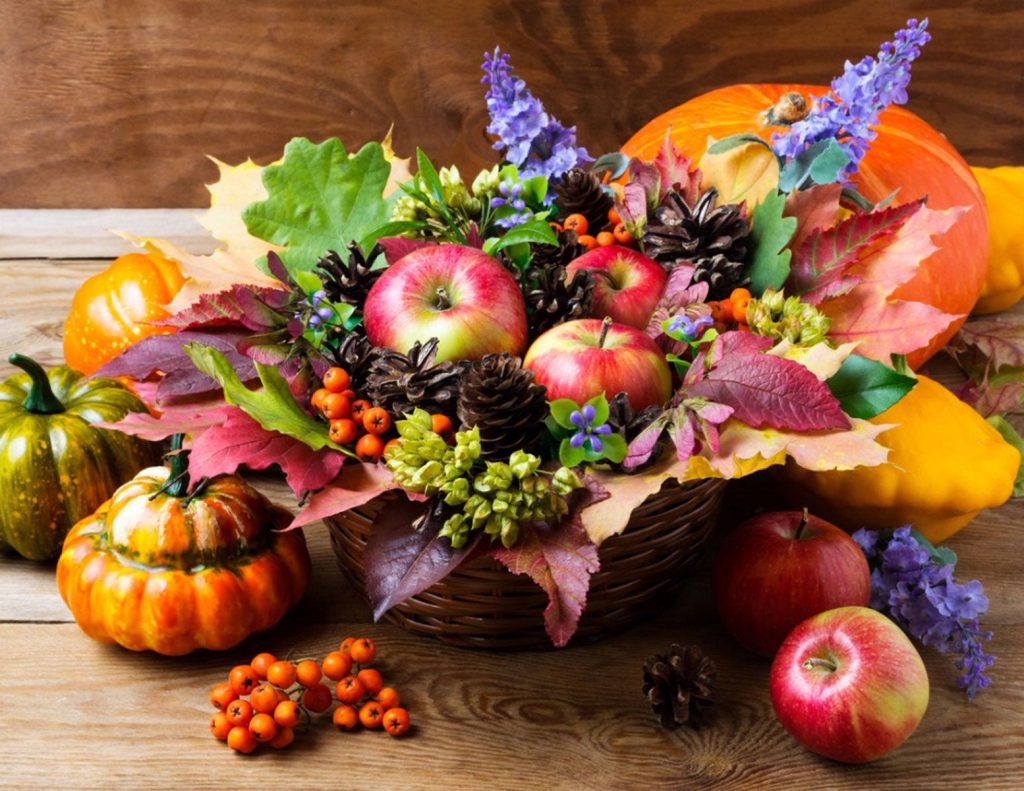
Supply List:
- 6-8 mixed apples (red, green, yellow): $8
- Wooden bowl or basket: $3 (thrift store find)
- Cinnamon sticks: $2
- Fresh rosemary sprigs: $1
Assembly: Arrange apples in bowl, tuck cinnamon sticks and rosemary throughout. The natural apple fragrance is incredible.
Why it works: Apples are classic fall without being cliché. The mixed colors create visual interest, and the scent is authentically seasonal.
Longevity tip: Replace apples as they soften. The bowl and aromatics can be reused throughout the season.
Best for: Kitchen islands, breakfast tables, or anywhere you want natural fragrance.
3. The Acorn Cap Candle Garden ($11)
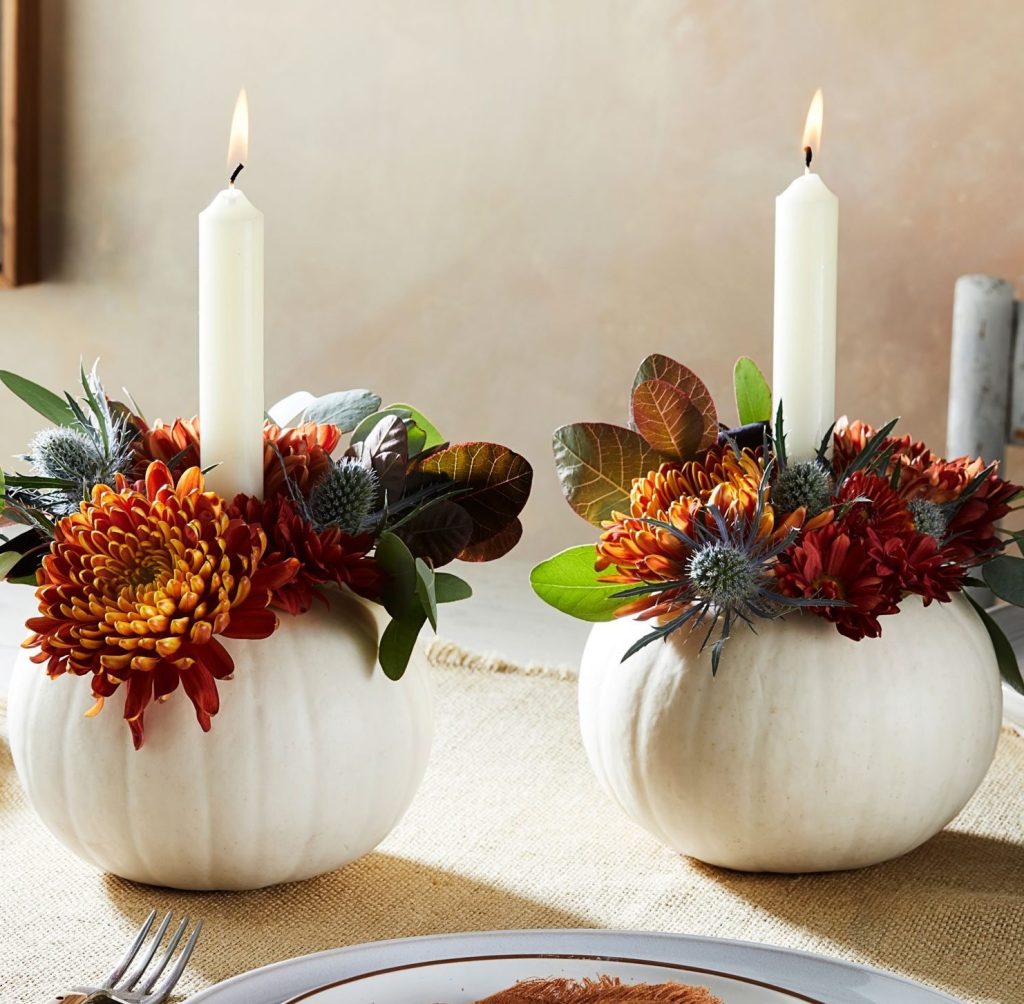
Supply List:
- Large acorn caps (collected free or bought from craft stores): $0-3
- Small tea light candles: $3
- Wooden cutting board or tray: $4
- Moss or small pebbles: $4
Assembly: Fill acorn caps with small pieces of tea light candles, arrange on wooden board with moss scattered around.
Why it works: The scale is unexpected and charming. Multiple tiny flames create amazing ambiance without being overwhelming.
Safety note: Only use with supervision, or use battery tea lights for worry-free lighting.
Perfect for: Coffee tables, side tables, or bathroom counters where you want subtle mood lighting.
4. The Dried Citrus Sophistication ($13)
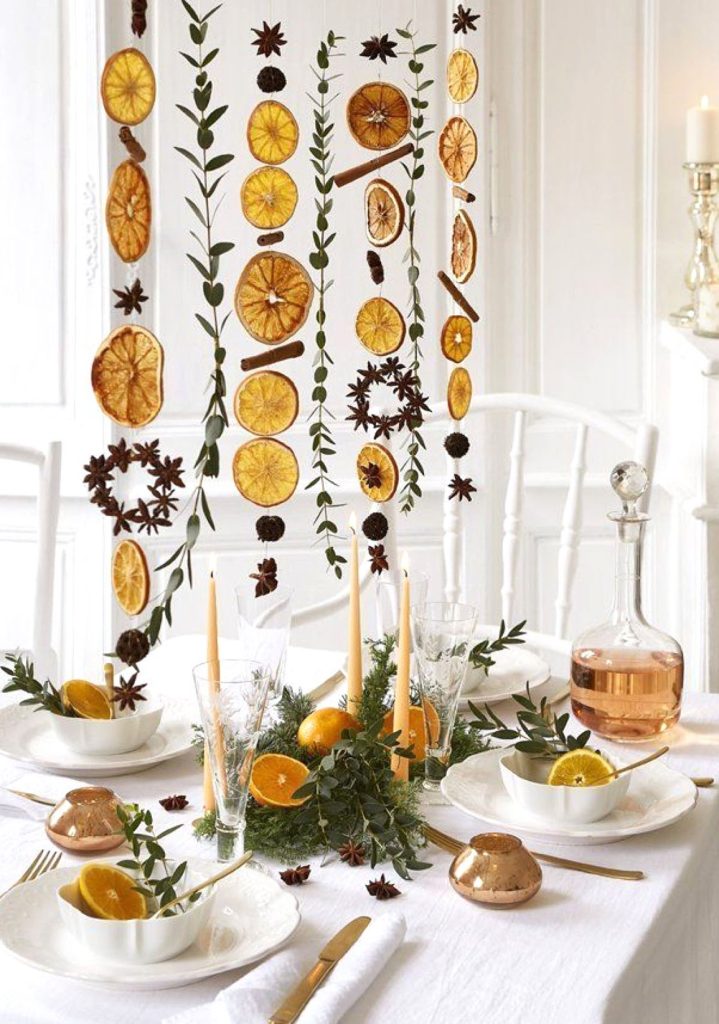
Supply List:
- Oranges, lemons, limes (3-4 each): $6
- White pillar candles (various heights): $5
- Glass plate or mirror: $2
Prep time: Slice citrus 1/4 inch thick, dry in oven at 200°F for 2-3 hours until edges curl.
Assembly: Arrange candles on glass base, scatter dried citrus around and underneath.
Why it works: The dried citrus creates gorgeous color and subtle scent. The glass reflects candlelight beautifully.
Make-ahead advantage: Dried citrus can be prepared weeks in advance and stored in airtight containers.
5. The Mini Gourd Alternative ($9)
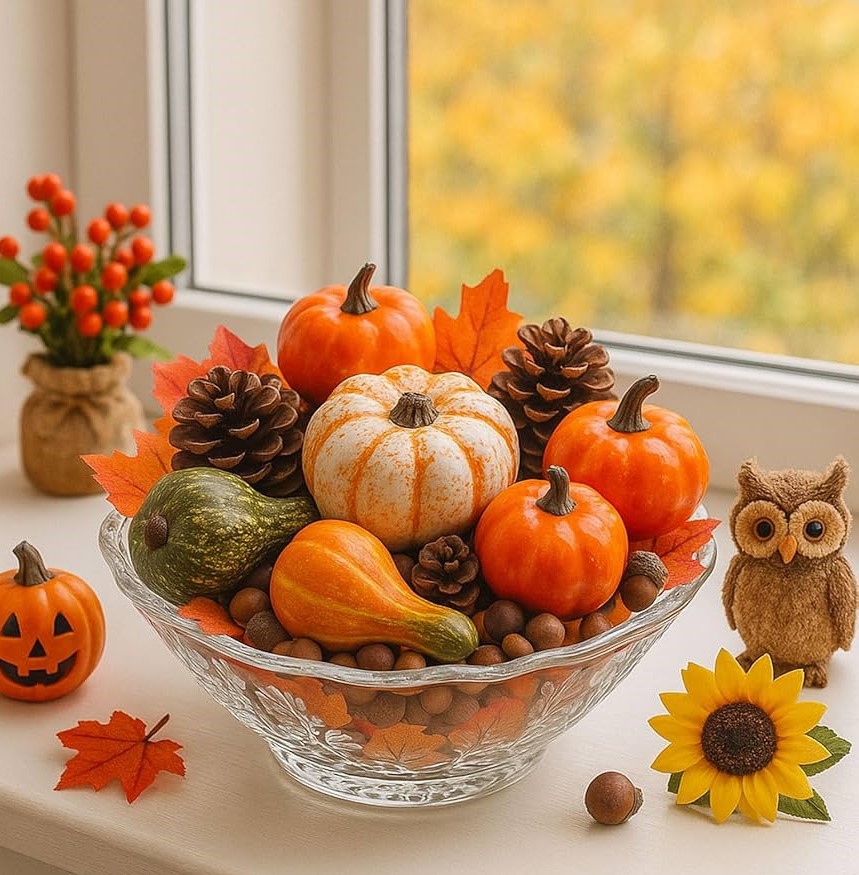
Supply List:
- Small white or pale green pumpkins: $6
- Gold or copper spray paint: $2
- Eucalyptus branches: $1
Process: Lightly spray paint sections of mini pumpkins (not completely covered), arrange with eucalyptus.
Why it works: The metallic touches make ordinary mini pumpkins look sophisticated and modern. Eucalyptus adds elegant greenery.
Color alternatives: Try rose gold, antique bronze, or even matte black for different aesthetics.
Best styling: Group in odd numbers (3 or 5) for most pleasing arrangement.
6. The Textural Harvest Bowl ($15)
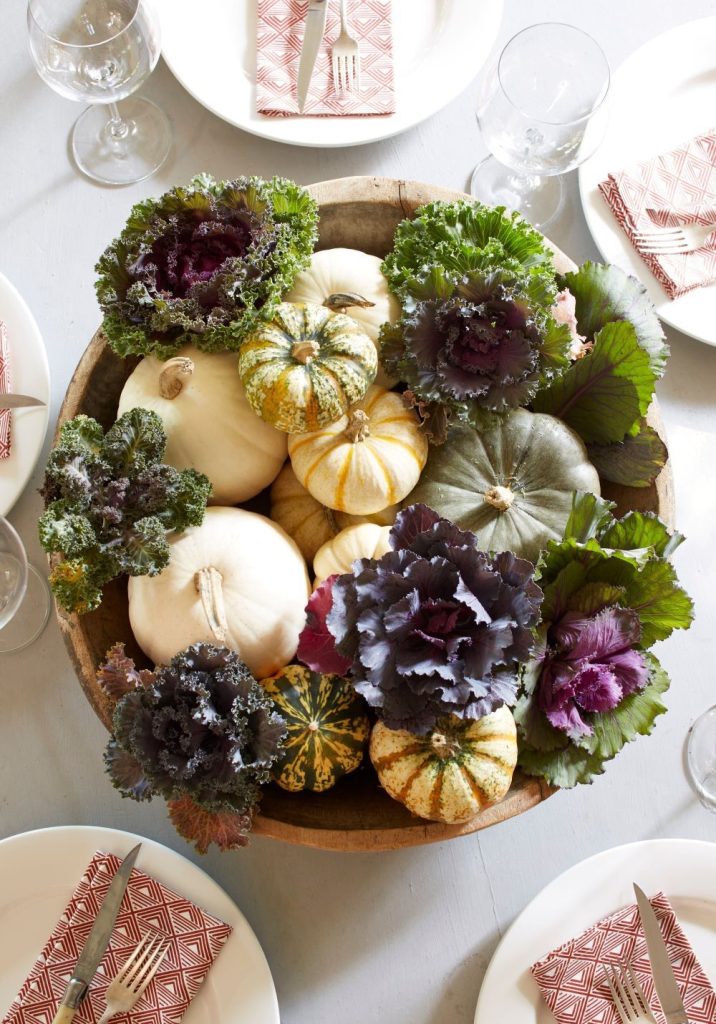
Supply List:
- Large wooden or ceramic bowl: $8
- Mixed nuts in shells (walnuts, pecans, acorns): $4
- Pine cones: $2 (or free from yard)
- Small branches or twigs: $1
Assembly: Layer different textures in bowl, creating height variation and visual interest.
Why it works: All the textures and shapes create a tactile, interesting display that people want to touch and examine.
Seasonal evolution: Add different elements throughout fall—berries in October, small ornaments in November.
Interactive element: Guests often pick up and examine the different natural elements, making it a conversation starter.
7. The Corn Husk Elegance ($10)
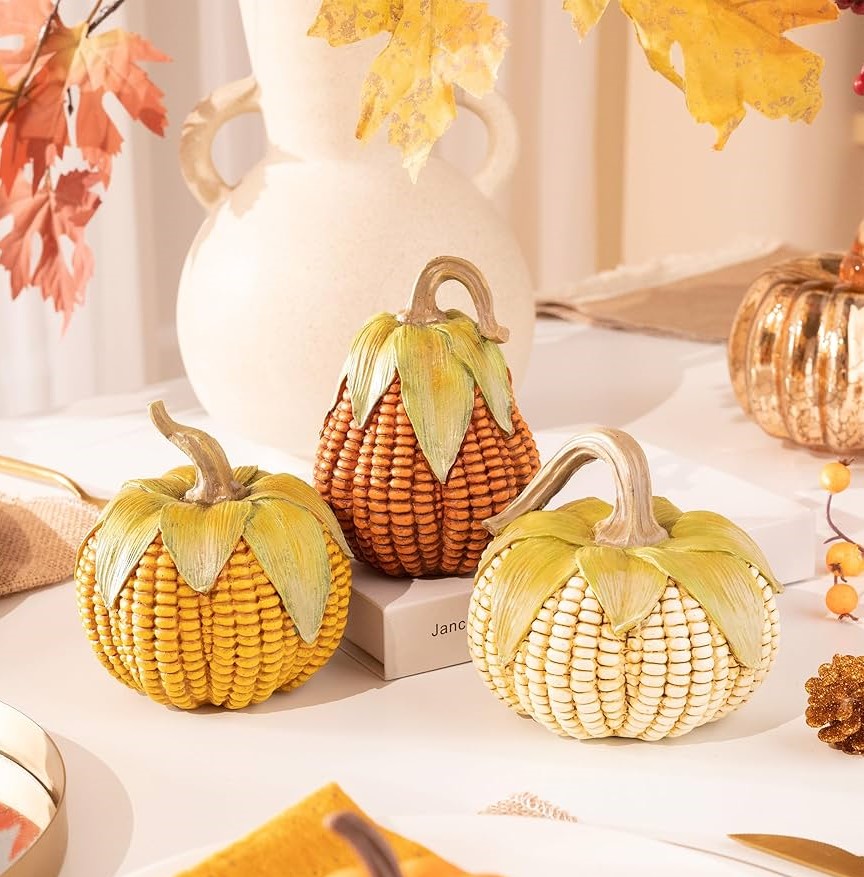
Supply List:
- Dried corn husks: $3 (craft store or Mexican grocery)
- Pillar candles: $4
- Natural twine: $1
- Glass hurricane lamps: $2
Assembly: Wrap pillar candles with corn husks, tie with twine, place in hurricane lamps for safety.
Why it works: Corn husks have beautiful natural texture and color that looks expensive. The hurricane lamps add sophistication.
Scent bonus: Corn husks have a subtle, pleasant natural fragrance that adds to the fall atmosphere.
Size variations: Make different heights for more dynamic centerpiece arrangements.
8. The Persimmon and Pomegranate Luxury ($14)
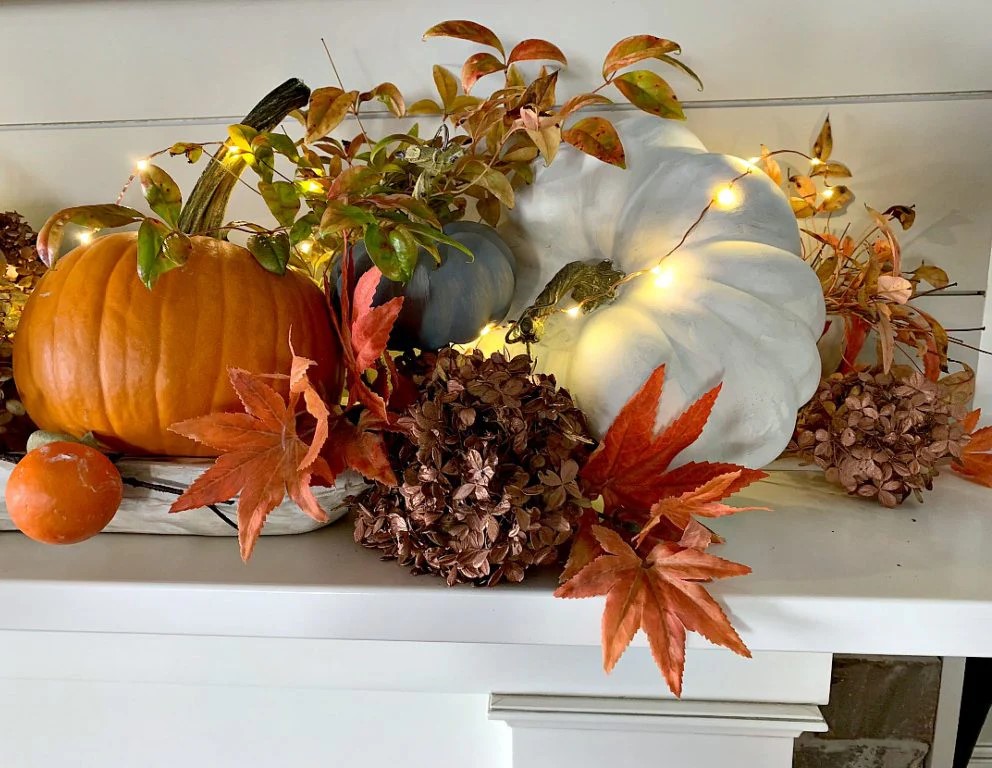
Supply List:
- Persimmons (4-5): $7
- Pomegranates (2-3): $5
- Low wooden bowl: $2
Assembly: Simple arrangement of fruits in bowl, rotating occasionally to prevent soft spots.
Why it works: These fruits are gorgeous, unexpected, and last longer than most alternatives. The colors are perfect for fall.
Styling tip: Mix different sizes and let some fruits sit higher than others for natural-looking arrangement.
Longevity: Both fruits last weeks when properly cared for, making this centerpiece practical and beautiful.
9. The Branch and Berry Creation ($12)
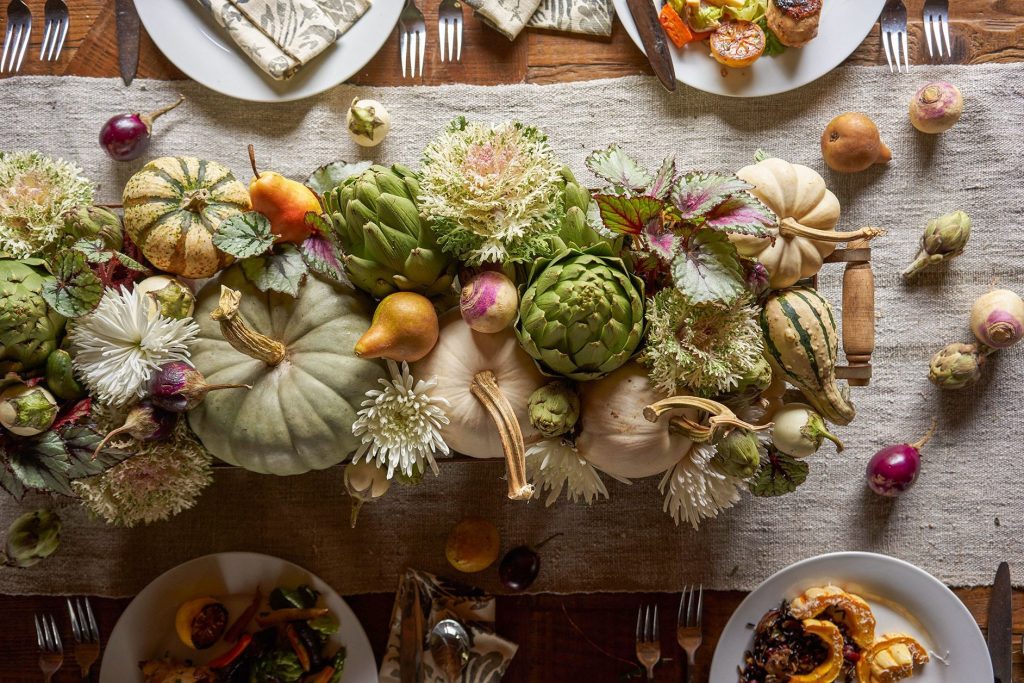
Supply List:
- Interesting branches (foraged or purchased): $3
- Artificial berries in fall colors: $4
- Tall glass vase: $3
- Small stones for weight: $2
Assembly: Arrange branches in vase, weave berry stems throughout, add stones for stability.
Why it works: The height draws the eye up, berries add color pops, and the whole arrangement looks naturally gathered.
Customization: Change berry colors throughout the season—burgundy for early fall, bright red for late fall.
Branch selection: Look for branches with interesting shapes, small offshoots, or natural curves.
10. The Succulent Harvest Garden ($13)
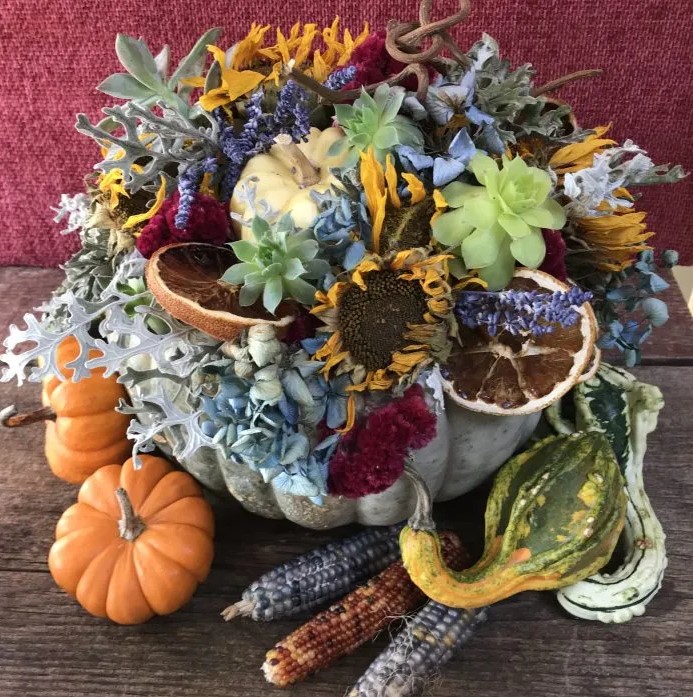
Supply List:
- Small succulents in 2″ pots: $8
- Wooden box or crate: $3
- Moss or decorative sand: $2
Assembly: Arrange potted succulents in wooden container, fill gaps with moss.
Why it works: Living plants add life and color, while the wooden container keeps it rustic and fall-appropriate.
Long-term value: This centerpiece keeps growing and changing. Succulents can be replanted or given as gifts later.
Care level: Minimal watering needed, perfect for people who kill traditional plants.
The Styling Secrets That Make Everything Look Intentional
The Color Temperature Rule
Warm tones only: Stick to colors that have warm undertones—rust, gold, burgundy, copper, warm browns, deep greens.
Cool tones to avoid: Bright blues, cool grays, stark whites, or anything that feels “summery.”
The 60-30-10 formula:
- 60% neutral base (wood, natural elements)
- 30% main color (rust, gold, deep red)
- 10% accent color (metallic, contrasting warm tone)
The Height Variation Strategy
Never make everything the same height. Your eye needs different levels to create interest.
The triangle principle: Arrange elements so they form visual triangles when viewed from any angle.
Height categories:
- Tall elements: Branches, tall candles, vertical arrangements
- Medium elements: Bowls, grouped items, medium candles
- Low elements: Scattered small objects, tea lights, trailing elements
The Texture Mixing Formula
Smooth + Rough + Soft = Visual richness
Examples:
- Smooth: Glass, ceramic, polished wood
- Rough: Bark, pinecones, natural branches, burlap
- Soft: Moss, dried flowers, fabric elements
The golden ratio: Aim for 40% rough textures, 35% smooth textures, 25% soft textures.
The Odd Number Magic
Groups of 3, 5, or 7 always look more natural than even numbers.
Why it works: Your brain processes odd-numbered groupings as more organic and pleasing.
Application: Three candles, five apples, seven acorns—always count in odds.
Common Mistakes That Ruin Otherwise Good Centerpieces
Mistake #1: Making It Too Symmetrical
What it looks like: Everything perfectly balanced and evenly spaced Why it’s wrong: Nature isn’t symmetrical, and artificial symmetry looks artificial The fix: Create visual weight on one side, balance with smaller elements on the other
Mistake #2: Using Only Store-Bought Items
What it looks like: Everything looks too “matchy” and purchased together Why it’s wrong: Lacks the organic, collected-over-time feel of natural arrangements The fix: Mix purchased items with found natural elements
Mistake #3: Ignoring Scale and Proportion
What it looks like: Tiny centerpiece on huge table, or overwhelming arrangement on small surface Why it’s wrong: Scale affects how comfortable and proportioned a space feels The fix: Centerpiece should be about 1/3 the width of your table
Mistake #4: Forgetting About Scent
What it looks like: Beautiful arrangement that doesn’t engage other senses Why it’s wrong: Missing opportunity to create full sensory experience The fix: Include naturally fragrant elements or subtle scented candles
Mistake #5: Making It Too Complicated
What it looks like: So many different elements that nothing stands out Why it’s wrong: Complexity for its own sake creates chaos instead of beauty The fix: Choose 3-4 main elements and let them shine
Room-by-Room Centerpiece Strategy
Dining Room: Drama and Conversation
Best choices: Wheat bundle, branch and berry, persimmon luxury Why: Height creates impact without blocking conversation across table Lighting consideration: Add subtle string lights for evening dining ambiance
Coffee Table: Low and Interactive
Best choices: Acorn candles, textural harvest bowl, succulent garden
Why: Low profile doesn’t interfere with TV viewing or conversation Practical tip: Elements should be sturdy enough to withstand daily use
Kitchen Island: Functional Beauty
Best choices: Apple tribute, dried citrus sophistication, mini gourd alternative Why: Natural elements complement cooking activities and add pleasant fragrance Maintenance note: Easy to clean around and move when needed for food prep
Console Table: Sophisticated Showcase
Best choices: Corn husk elegance, wheat bundle, branch arrangement Why: These spaces can handle more dramatic, taller arrangements Styling tip: Add books or other objects underneath for layered look
The Economics of Pumpkin-Free Decorating
Total investment for all 10 centerpieces: $127 Average cost per centerpiece: $12.70 Comparable pumpkin arrangements: $25-40 each Your savings: $120-270 total
But here’s the real value:
Longevity: Most of these centerpieces last longer than pumpkins Versatility: Elements can be rearranged and reused in different combinations Uniqueness: Your decorating will stand out instead of blending in Skill building: You’ll develop better eye for color, texture, and proportion
Cost Per Use Analysis
Traditional pumpkin centerpiece:
- Cost: $25-30
- Lifespan: 4-6 weeks
- Cost per week: $4-7.50
DIY alternative centerpiece:
- Cost: $10-15
- Lifespan: 8-12 weeks (with element rotation)
- Cost per week: $1.25-1.90
The math is compelling, but the satisfaction factor is even better.
Seasonal Transition Strategy
September: Harvest and Abundance Focus
Emphasize: Natural fruits, grains, warm colors, abundant textures Best centerpieces: Apple tribute, textural harvest bowl, persimmon luxury
October: Cozy and Atmospheric
Emphasize: Candles, warm lighting, deeper colors, intimate arrangements Best centerpieces: Acorn candles, dried citrus, corn husk elegance
November: Gratitude and Gathering
Emphasize: Elements that encourage togetherness, conversation starters Best centerpieces: Wheat bundle, branch arrangements, succulent gardens
December Transition: Holiday Bridge
Easy additions: Metallic accents, evergreen elements, subtle sparkle Most adaptable: Succulent gardens, branch arrangements, textural bowls
The Psychology of Alternative Decorating
Why this approach works better than following trends:
Creativity confidence: Successfully creating something unique builds trust in your own aesthetic judgment Conversation starting: Unusual elements make people ask questions and engage Personal expression: Your space reflects your creativity, not mass market trends Cost consciousness: Proves that style comes from ideas, not budgets
The unexpected social benefit: When people compliment your decorating and ask “where did you get that idea,” you have actual stories to tell instead of just naming a store.
Troubleshooting Common Concerns
“Won’t people think I’m trying too hard to be different?”
Reality check: Most people are relieved to see something fresh and creative instead of the same arrangements everywhere else.
Confidence strategy: Present your choices matter-of-factly. When someone asks about your centerpiece, say “I wanted something that felt more personal” rather than explaining why you didn’t use pumpkins.
“What if my family expects traditional fall decorating?”
Compromise approach: Make one traditional arrangement alongside your alternatives. Show that you can do both, but prefer creativity.
Education opportunity: Explain the benefits—longer lasting, more economical, more unique.
“I’m not crafty enough for DIY centerpieces”
Skill level reality: Most of these require no special skills—just arranging items in containers.
Start simple: Begin with the apple tribute or succulent garden. Build confidence with easy wins.
Practice makes progress: Your eye for arrangement improves quickly with experimentation.
Your Alternative Centerpiece Action Plan
This Weekend: Choose One Easy Starter
Recommended first projects:
- Apple orchard tribute (hardest part is picking apples)
- Textural harvest bowl (just arranging found objects)
- Succulent garden (buy plants, arrange in container)
Success measurement: Does it make you happy when you look at it?
Next Week: Try Something with More Steps
Build on success with:
- Dried citrus sophistication (requires oven time but impressive results)
- Wheat bundle elegance (introduces lighting elements)
- Corn husk candles (adds crafting element)
Following Weeks: Experiment and Customize
Advanced projects:
- Branch and berry (requires foraging and arranging skills)
- Acorn candles (detailed work but magical results)
- Multiple arrangements for different rooms
Long-term: Develop Your Signature Style
Questions to consider:
- Which arrangements get the most compliments?
- What elements make you happiest?
- How can you adapt successful techniques to other seasons?
What Actually Happened in My Home
The results after six weeks:
Guest reactions: Consistently positive surprise. People notice and remember the unique arrangements.
Personal satisfaction: Much higher than with traditional pumpkin decorating. I actually look forward to seasonal decorating now.
Cost effectiveness: Saved over $200 compared to store-bought seasonal arrangements while creating more interesting displays.
Skill development: My eye for color and arrangement has improved dramatically. These skills transfer to all areas of home decorating.
Seasonal flexibility: Many elements work into winter decorating with small modifications.
The Bigger Picture: Breaking Decorating Rules
This project taught me something important about home decorating in general: The “rules” we follow are often just collective habits, not requirements for beauty.
Question everything:
- Why do we think certain colors only work in certain seasons?
- Who decided specific objects were required for holiday decorating?
- What would happen if we focused on feelings instead of traditions?
The confidence this builds transfers to every area of home decorating. Once you prove you can create something beautiful by thinking differently, you start seeing possibilities everywhere.
Your home should reflect your creativity and personality, not a store’s seasonal display strategy.
Looking Forward: Other Seasonal Opportunities
Winter alternatives to traditional Christmas decorating:
- Pinecone and branch arrangements instead of artificial trees
- Candle forests instead of electric light displays
- Natural garland instead of plastic decorations
Spring alternatives to pastel overload:
- Herb gardens instead of cut flowers
- Natural egg displays instead of plastic Easter decorations
- Branch and bud arrangements instead of artificial spring flowers
Summer alternatives to nautical themes:
- Herb and fruit arrangements instead of seashell displays
- Natural fiber textures instead of blue and white everything
- Living plant arrangements instead of artificial tropical elements
The skills you develop creating fall centerpiece alternatives apply to creative problem-solving in every season.
Your dining room table doesn’t need a pumpkin to know it’s fall. It just needs your creativity and willingness to see beyond the obvious choices.
Sometimes the most beautiful solutions are hiding in plain sight—in your fruit bowl, your yard, or the clearance section of unexpected stores. The pumpkin-free fall centerpiece revolution starts with trusting your own creative instincts over mass market trends.
Frequently Asked Questions
What can I use instead of pumpkins for fall centerpieces?
There are so many beautiful options! Gourds, dried corn, acorns, pinecones, and seasonal fruits like apples or pears all work wonderfully. You can also use candles grouped at varying heights, lanterns filled with fall foliage, or vases with branches and dried grasses. The key is layering textures and warm tones — burgundy, burnt orange, mustard yellow, and deep green — without relying on the classic pumpkin shape. Check out my dollar store DIY projects for budget-friendly supply ideas too.
How can I make a fall centerpiece look expensive on a small budget?
Three things make the biggest difference: height variation, odd numbers, and texture layering. Use a mix of tall candles or branches, mid-height elements like small lanterns or jars, and low items like foliage or ribbon. Group items in threes or fives rather than pairs. Mix textures — something rough (burlap, wood), something smooth (glass, ceramic), something soft (dried leaves, cotton stems). You can find almost everything at dollar stores, thrift shops, or even your backyard. Total cost under $15 is absolutely doable.
How long do DIY fall centerpieces last?
It depends on your materials. Faux or dried elements like pinecones, faux gourds, dried grasses, and artificial leaves can last all season (6–8 weeks) with no maintenance. Fresh elements like real apples, pears, or cut branches last about 1–2 weeks before needing replacement. If you want a long-lasting display, anchor it with artificial or natural-dried pieces and swap out any fresh accents as needed. Dollar store dried botanicals are surprisingly realistic and hold up beautifully all season.
Looking for more creative fall decorating ideas on a budget? My guide to thrift store living room makeovers has tons of seasonal sourcing tips that work just as well for centerpiece materials.
Ready to ditch the pumpkins and create something uniquely yours? Try one of these centerpieces this weekend and share your results in the comments. I love seeing how these alternative approaches work in different homes and styles!
This week’s new articles:
- Cozy Bathroom Updates: 12 Fall Touches Under $40 (Friday)
- Fall Mantel Styling: 6 Looks for Under $30 Each (Monday)
More creative fall decorating:
- 20 Fall Décor Ideas from Target’s Dollar Spot
- DIY Fall Wreaths: 8 Tutorials Using Dollar Store Supplies
- Living Room Makeover: Adding Fall Coziness for $60
Leave a Reply