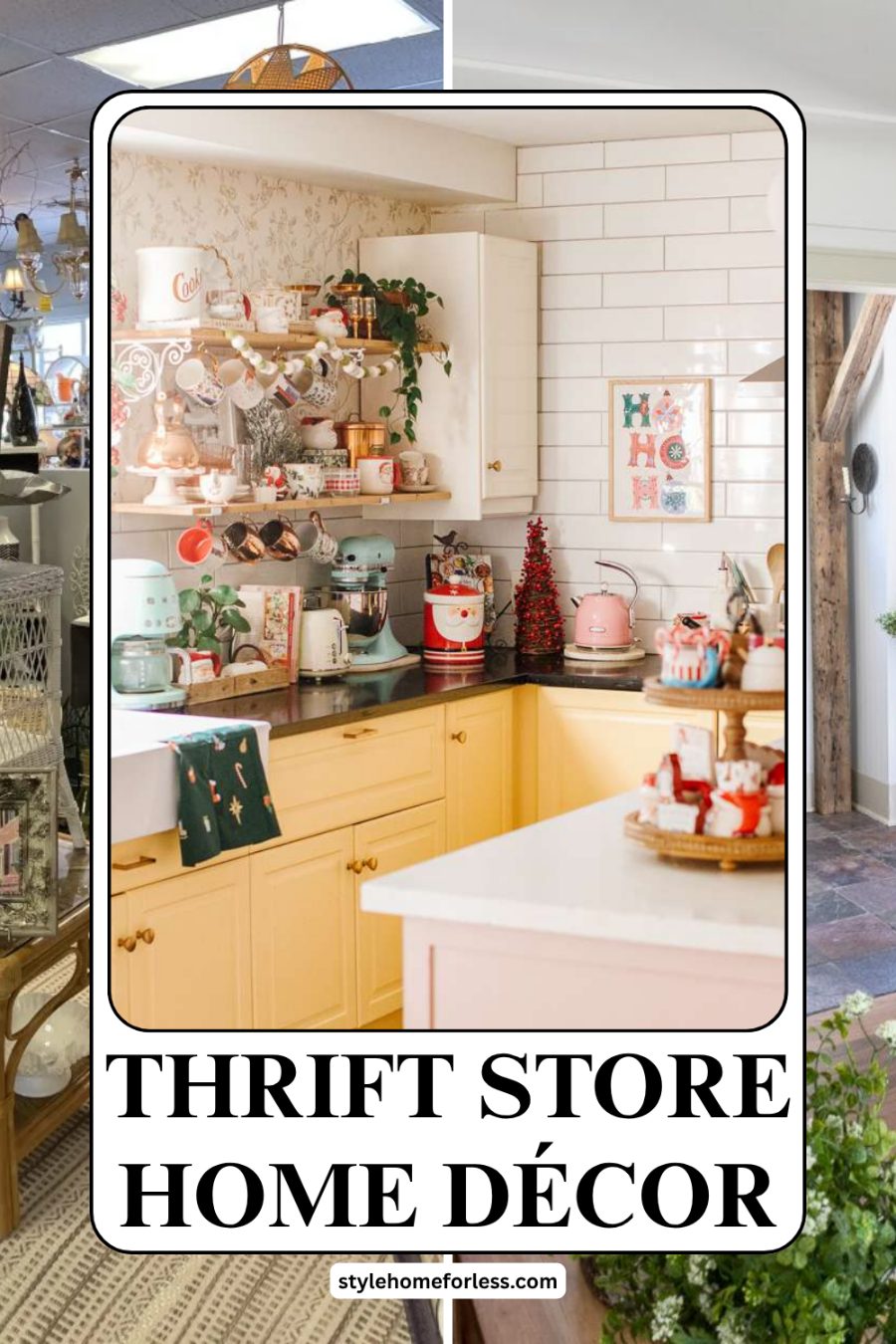
Creating a home that feels “collected” and high-end doesn’t require a limitless budget; it requires a trained eye. The secret to successful thrift store decor isn’t luck—it is knowing how to recognize quality materials, timeless shapes, and hidden value beneath the dust.
This guide moves beyond basic treasure hunting. We will cover exactly what to buy, how to test for quality, and the specific restoration tricks to make a $5 find look like a $500 antique.
The 5 “Buy-It-Now” Categories
If you feel overwhelmed by the clutter on thrift store shelves, stop scanning aimlessly. Focus strictly on these five categories. These items possess intrinsic material value and timeless appeal that mass-produced décor cannot match.

1. Solid Brass Hardware & Decor
Brass adds instant warmth and age to a room. It is currently trending in high-end design (seen at retailers like Pottery Barn and Rejuvenation), but vintage brass has a patina that new items lack.
- What to look for: Candlesticks, heavy animal figurines, planters, and bookends.
- The “Magnet Test”: Always carry a small magnet.
- If it sticks: It is plated steel or iron (lower quality).
- If it doesn’t stick: It is likely solid brass or copper (high value).
2. Stoneware and Studio Pottery
Skip the clear glass vases from the floral section. Look for ceramics that feel heavy, dense, and have texture.
- The Clue: Turn the vase over. Look for a rough, unglazed ring on the bottom or a hand-scratched signature. These indicate “studio pottery”—pieces made by an artist, not a machine.
- Style Tip: Look for “earth tones”—terracotta, sage, cream, and speckled finishes. These mimic the expensive “wabi-sabi” aesthetic.
3. Original Art (Ignore the Frame)
Never judge a piece of art by its dated 1990s frame. Frames can be swapped or painted; the art is what matters.
- How to spot a fake: Look closely at the art (use your phone camera’s zoom if needed).
- Tiny dots: If the image is made of perfectly uniform tiny dots, it is a mass-produced print.
- Texture/Brushstrokes: If you can see the texture of paint or the indentation of a press plate, it is an original or a lithograph.
- Value Hack: A $5 oil painting in a generic frame can look like a gallery piece if you move it into a larger frame with a wide, custom mat.
4. Coffee Table Books
Hardcover books are often sold for $1–$3 at thrift stores but retail for $40+ online. They are essential for styling shelves and tables.
- The Secret: Always peek under the dust jacket. Often, the ugly paper cover hides a beautiful, linen-bound hardcover with embossed gold lettering on the spine. Look for neutral colors: blues, creams, blacks, and tans.
5. Woven Baskets and Trays
Natural texture is vital for a cozy home. Retail stores charge a premium for rattan and wicker, but thrift stores are often overflowing with them.
- Condition Check: Squeeze the basket. If it crunches or feels brittle, the wood is too dry and will break. If it bends slightly, it’s in good condition.
Price Comparison: Thrift Store vs. Retail
Understanding the value proposition helps you spot a deal immediately.
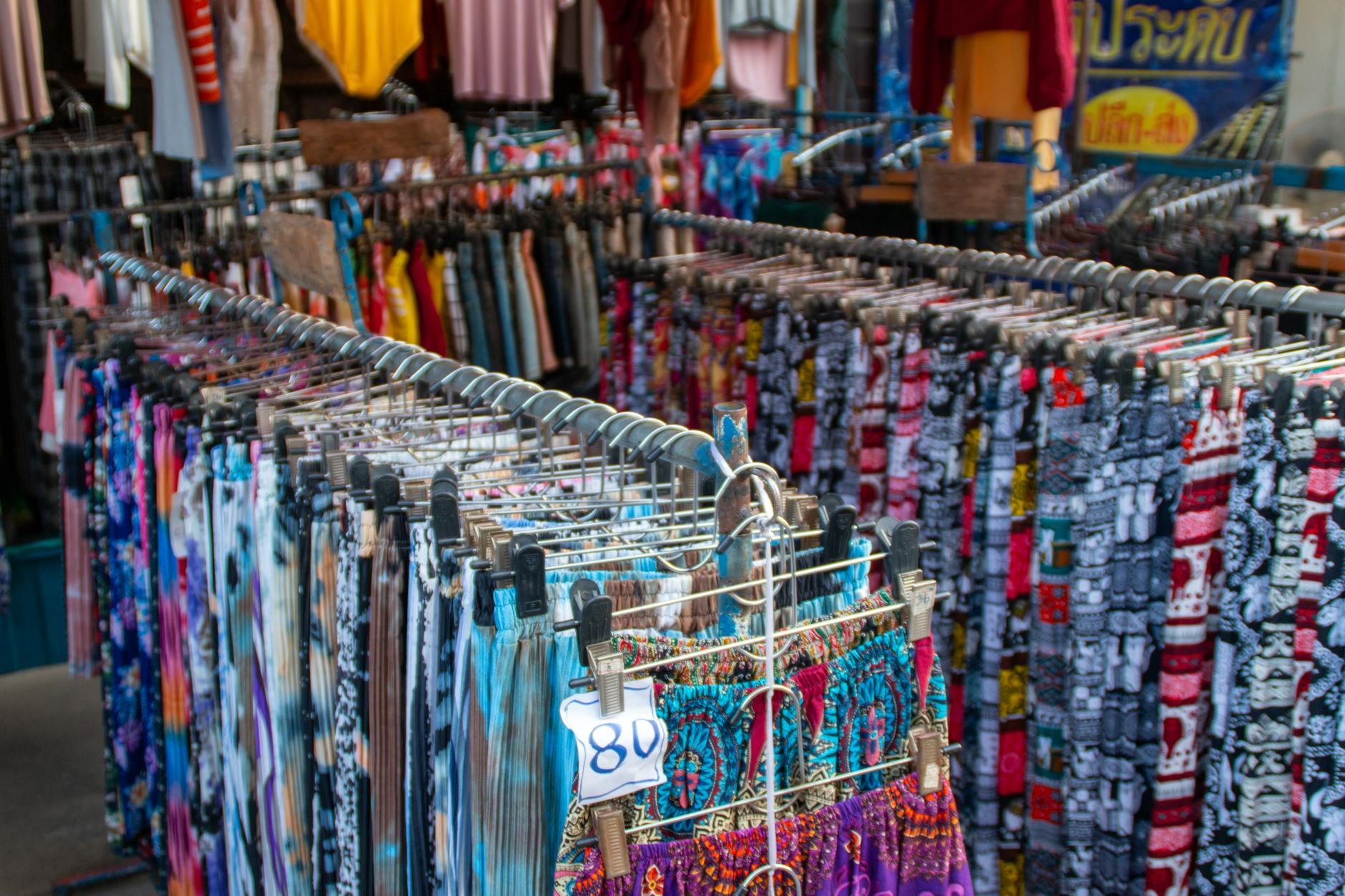
| Item Category | Avg. Retail Price (West Elm/Target) | Avg. Thrift Store Price | Potential Savings |
| Brass Candlesticks (Pair) | $60 – $90 | $4 – $12 | ~90% |
| Large Ceramic Vase | $45 – $120 | $5 – $15 | ~85% |
| Woven/Rattan Basket | $30 – $80 | $3 – $8 | ~90% |
| Hardcover Art Book | $40 – $75 | $2 – $5 | ~95% |
| Ornate Mirror (24×36) | $150 – $300 | $15 – $40 | ~88% |
Restoration: How to Clean Your Finds
A major barrier to thrift shopping is the “grime factor.” Here is how to safely restore the most common finds without damaging them.
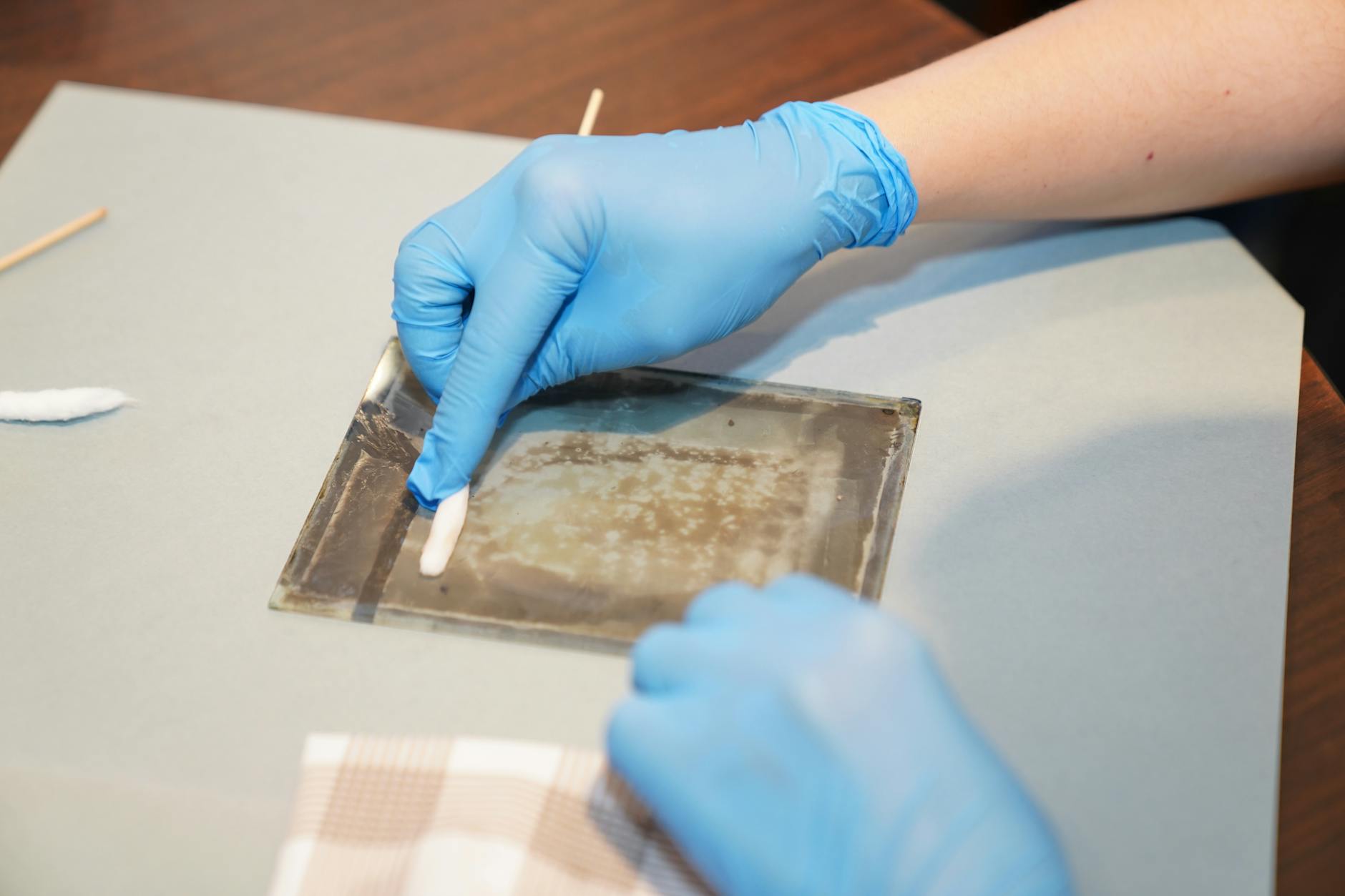
How to Clean Thrifted Brass
Don’t leave the patina if it looks dirty rather than aged.
- The Mixture: Mix the juice of half a lemon with 1 teaspoon of baking soda to create a paste.
- Apply: Rub the paste onto the brass using a soft cloth (or an old toothbrush for intricate crevices).
- Wait: Let it sit for 10–20 minutes.
- Rinse & Buff: Rinse with warm water and immediately buff dry with a microfiber cloth to prevent water spots.
How to Deodorize Wooden Furniture
- Clean: Wipe down the item with a solution of water and white vinegar (50/50 mix).
- Sunlight: UV rays are the best natural disinfectant. Leave the drawers open outside on a dry, sunny day.
- Absorb: If the smell lingers, place a bowl of coffee grounds or activated charcoal inside the drawers/cabinet for 48 hours.
Design Logic: The “Rule of Three”
Buying the items is step one. Styling them is step two. The most common mistake is spreading items out evenly along a shelf. Instead, use the Rule of Three.
The Formula:
- Height: A tall item (e.g., a vase with branches or a candlestick).
- Mass: A bulky, grounding item (e.g., a stack of two books or a decorative box).
- Bridge: A small item that connects them (e.g., a small brass object, a stone, or a candle).
Pro Tip: Arrange these three items in a triangle shape. This creates visual tension and depth that is appealing to the human eye.
Frequently Asked Questions (FAQ)
Is it safe to buy upholstered furniture at thrift stores?
It carries risk. Hard surfaces (wood, metal, glass) are safest. If you buy upholstery, inspect zippers and crevices for bed bugs (look for tiny black spots) and steam clean the item immediately upon bringing it home.
What is the best day to go to the thrift store?
Monday and Tuesday are often the best days to shop. Many people donate their goods on the weekends, and staff spend Monday mornings restocking the shelves with fresh inventory.
How can I tell if silver is real or plated?
Look for a stamp.
- “925” or “Sterling”: This is solid silver (very valuable).
- “EPNS” or “IS”: This stands for “Electro-Plated Nickel Silver” or “International Silver.” It means a thin layer of silver over copper or brass. It is still beautiful, but less valuable.
Pro Thrifting Tips: Build Your System
After dozens of thrift store hauls, I have learned that consistency beats luck. Here is the system that reliably produces results:
- Shop early in the week: Monday and Tuesday mornings are when freshly donated weekend items hit the shelves. Avoid weekends when competition is highest.
- Carry a measuring tape and small magnet: The magnet identifies real brass (non-magnetic) vs. plated steel (magnetic). The tape ensures pieces fit your space before you buy.
- Set a mission before you walk in: Aimless browsing leads to random clutter. Walk in knowing you need, for example, “a large vase or ceramic piece in earth tones” and focus there.
- Buy one category at a time: If you are styling your living room, spend three or four trips focused only on living room finds. This builds cohesion instead of a mismatched collection.
- Inspect under the grime: Many pieces are overlooked because they look dirty. A quick wipe with your sleeve reveals the actual condition. Brass that looks black is often just tarnished and cleans up beautifully.
- Check estate sales and Goodwill Outlet: Estate sales are the premium tier for original art and quality furniture. Goodwill Outlet (the by-the-pound bins) is the ultra-budget option where patience pays off significantly.
Looking to style your thrift store finds alongside DIY pieces? These thrift store living room makeover ideas show exactly how to blend both approaches into a cohesive room. For more inspiration on budget home transformation, the best IKEA hacks ranked pairs well with thrifted accessories to stretch every dollar further.
Final Thoughts
Thrifting is a long game. You won’t find an entire room’s worth of decor in one trip. But by focusing on high-quality materials like brass, stone, and wood, you build a home layer by layer that tells a story—one that looks significantly more expensive than it actually is.
Ready to start? Check your local listings for estate sales this weekend—they are often the best source for original art.
Leave a Reply