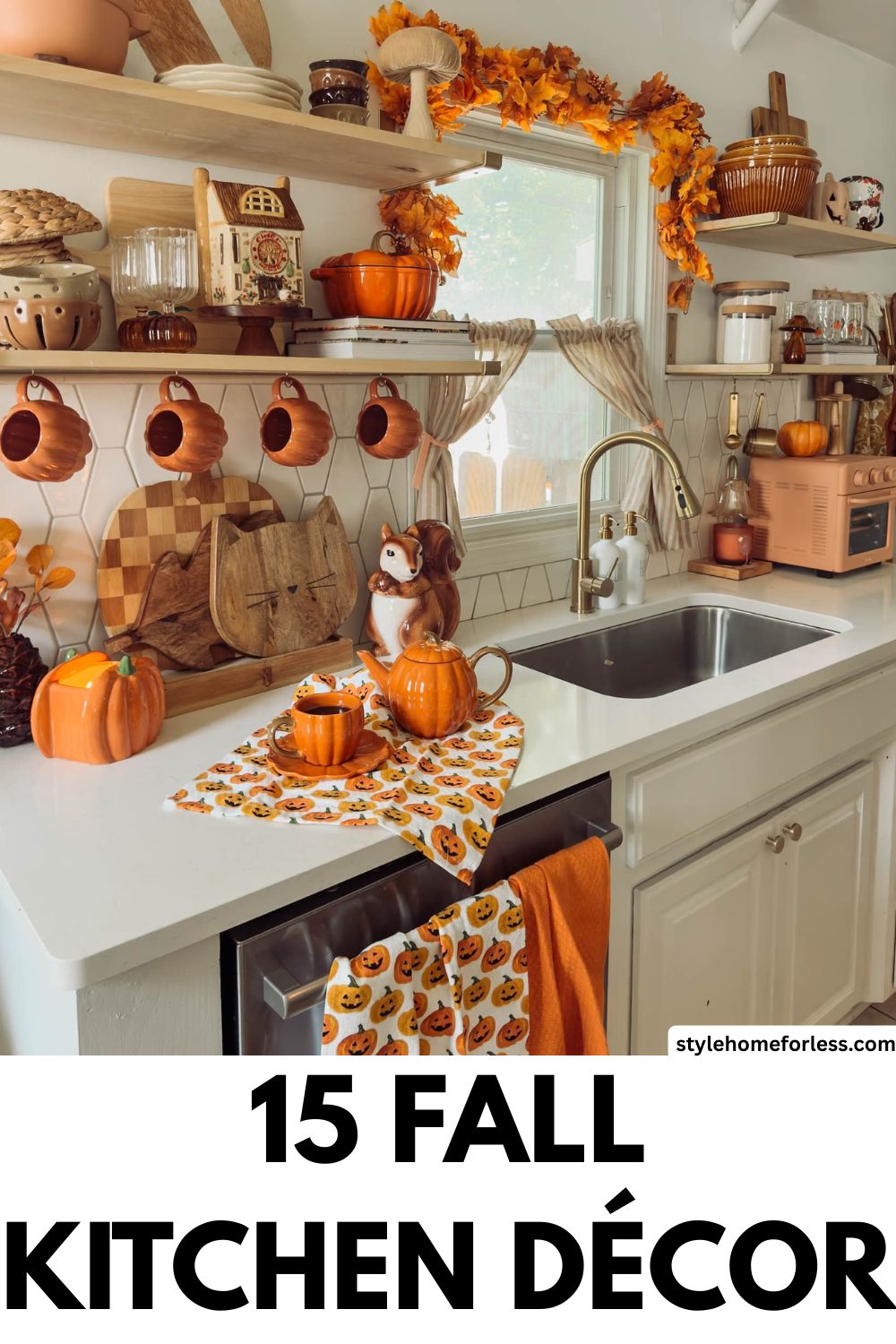
My friend Sarah texted me last week: “Help! My kitchen looks like a doctor’s office and fall starts next week. I have maybe fifty bucks and I’m renting so I can’t paint anything.”
I get this question every September. Your kitchen is probably where you spend most of your time at home—making coffee, helping kids with homework, prepping dinner—but somehow it’s the last room we think about decorating. Especially when you’re renting or working with a tight budget.
Here’s what I’ve learned after five years of trying to make my own basic apartment kitchen feel cozy: you don’t need to spend hundreds or commit to permanent changes. You just need to think differently about what makes a space feel warm.
The Real Problem with Most Kitchen Decorating Advice
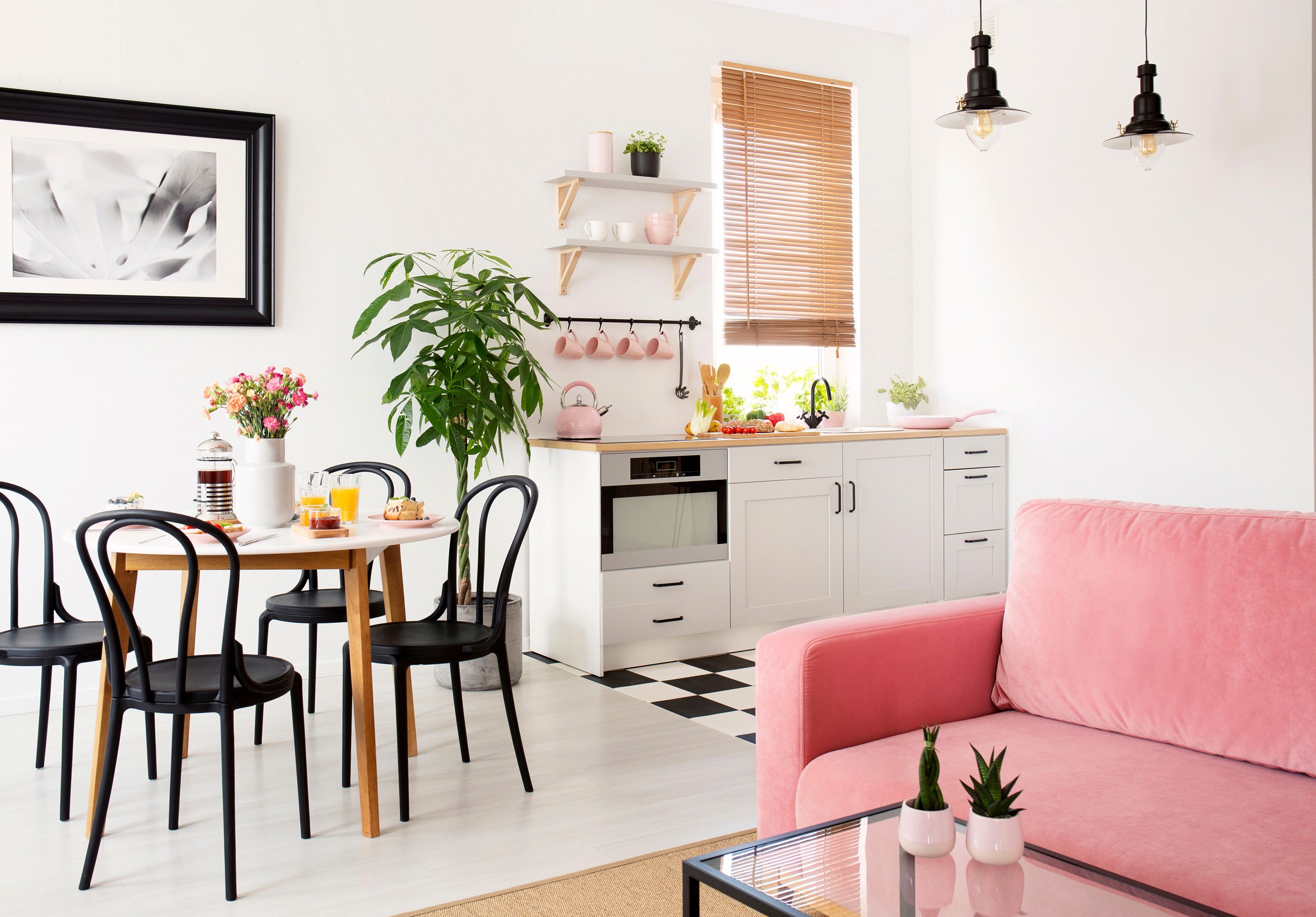
Most Pinterest-perfect kitchen makeovers assume you own your place, have unlimited counter space, and don’t actually cook. Real life? You’ve got a coffee maker, a toaster, probably too many appliances, and maybe three feet of free counter space on a good day.
So let’s work with reality instead of against it.
Start with What You Touch Every Day
The fastest way to change how your kitchen feels is to swap out the things you use constantly. I started with dish towels—sounds boring, but hear me out. You grab dish towels probably ten times a day. When they’re pretty instead of those sad, stained ones you’ve had since college, it changes how the whole space feels.
Target sells dish towels for three dollars. I bought four in different shades of orange and rust last year, and people still comment on how “put together” my kitchen looks. That’s literally a twelve-dollar investment that makes a difference every single day.
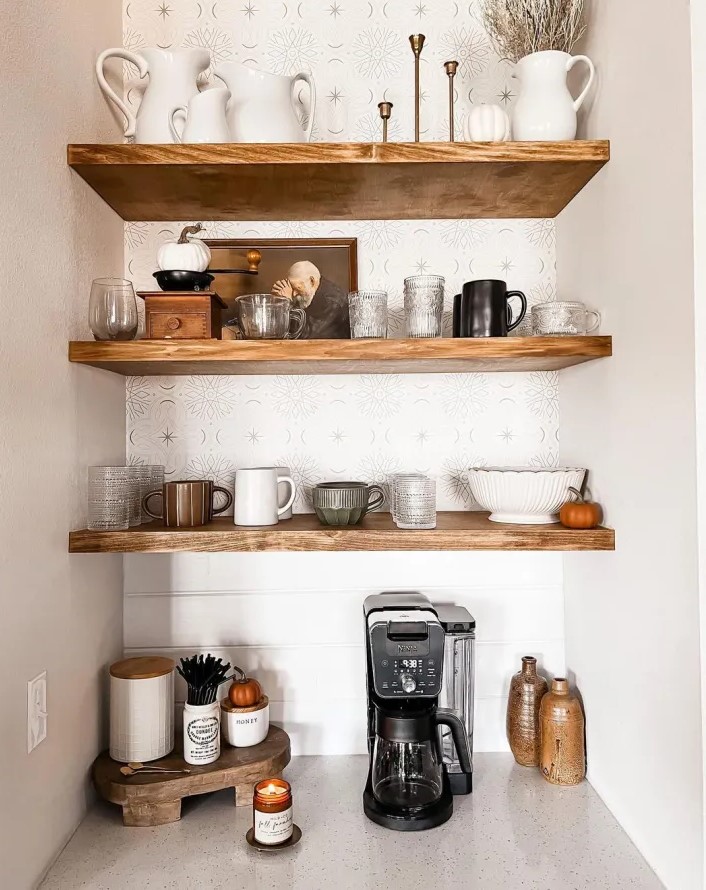
Same logic applies to your coffee setup. If you’re like me and coffee is basically a food group, make that corner beautiful. I moved my coffee maker to a spot where I could put a small cutting board underneath it (makes it look intentional), added a mason jar for coffee beans, and stuck a little pumpkin next to it in September. Total cost: eight dollars if you count the pumpkin.
The Power of Actual Food as Decoration
This might sound obvious, but I spent years buying fake fruit and artificial this-and-that before I realized: real food looks better and costs less than fake food.
A wooden bowl filled with actual apples, pears, and maybe a pomegranate looks gorgeous and smells amazing. Unlike the plastic fruit my mom used to have in our dining room (sorry mom), you can actually eat this when it starts getting soft. It’s basically groceries that happen to be pretty.
I keep this bowl on my counter year-round, just change what’s in it. Summer gets peaches and limes, fall gets the apples and pears, winter gets oranges and cranberries. Works out to maybe six dollars a week, but it’s food we’d buy anyway.
Renter-Friendly Changes That Actually Work
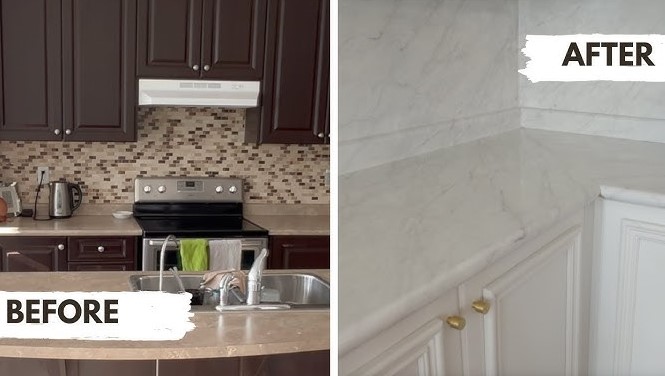
The biggest game-changer for my rental kitchen was contact paper. I know, I know—it sounds like something your grandmother would suggest. But they make really good temporary wallpaper now that doesn’t leave residue when you remove it.
I put a wood-grain pattern on my backsplash last fall for about twenty dollars. It took two hours and completely transformed the space. My landlord actually asked where I bought the “new backsplash” when he came to fix the garbage disposal. When I told him it was removable, he said I could leave it when I move out because it looks so much better. For more renter-friendly upgrades beyond the kitchen, my guide to paint colors that make small rooms look bigger has options that work without touching a brush.
Window clings are another rental win. Dollar Tree has surprisingly cute fall ones—leaves, pumpkins, harvest scenes. They stick to windows without adhesive and come off clean. I’ve been using the same set for three years. While you’re there, it’s worth checking out the kitchen organization section too — I did a full dollar store kitchen organization review and found some genuine gems.
The Herb Garden That Changed Everything
Last September I bought three small pots and planted rosemary, thyme, and sage on my windowsill. This was partly because I was tired of buying expensive fresh herbs that would die in my fridge, but mostly because they looked pretty.
Turns out, this was the best fifteen dollars I ever spent on kitchen décor. Fresh herbs smell incredible, they look lush and alive, and you actually use them for cooking. Plus, woody herbs like rosemary and thyme look perfect for fall and winter—very rustic and cozy.
Fair warning: if you’re bad with plants like me, start with rosemary. It’s basically indestructible and smells like a fancy restaurant when you brush against it.
Lighting Makes Everything Better
My kitchen came with one harsh overhead light that made everything look like a crime scene. I couldn’t install new fixtures, but I could add other light sources.
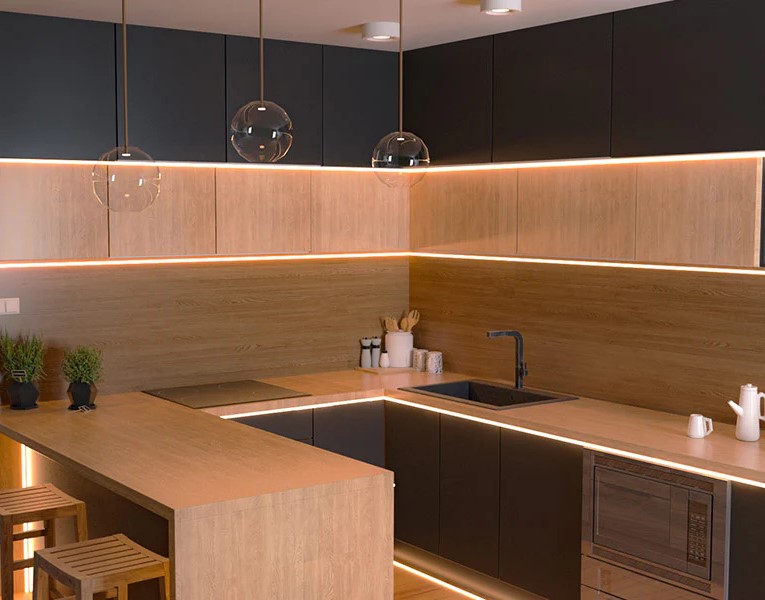
Battery-operated LED string lights changed my life. I stuck them under my upper cabinets with command strips—takes ten minutes and creates this warm, restaurant-like glow in the evenings. When people come over now, they always ask if I installed under-cabinet lighting. Nope, just twenty-dollar battery lights from Amazon.
Mason jar pendant lights are another option if you have somewhere to hang them. You basically put battery LED lights inside mason jars and hang them over an island or table. Looks expensive, costs about fifteen dollars total.
What Actually Matters vs What Doesn’t
After trying everything Pinterest suggested (and failing at most of it), here’s what I’ve learned actually makes a difference:
Things that work: Warm lighting, fresh greenery, natural textures, seasonal scents, clean lines
Things that don’t: Tons of small decorative objects, fake anything, overly themed decorations, stuff that gets in the way of cooking
Things I thought would work but didn’t: Cute canisters that don’t actually fit my food, decorative cutting boards I was afraid to use, seasonal towels too pretty to actually wipe things with
My Current Fall Setup (Total Cost: $47)
After three years of trial and error, here’s what’s currently making my kitchen feel cozy:
- Four rust-colored dish towels from Target: $12
- Three herb plants in terracotta pots: $15
- Battery string lights under cabinets: $8
- Wooden bowl with seasonal fruit: $6 (ongoing grocery cost)
- Small pumpkin by the coffee maker: $2
- Cinnamon stick bundle in a jar: $4
That’s it. Nothing fancy, nothing expensive, nothing that gets in my way when I’m actually cooking. But the overall effect is warm and welcoming without looking like a craft store exploded.
The Mistakes I Made So You Don’t Have To
Buying too much at once. I went to HomeGoods last year and spent eighty dollars on fall kitchen stuff. Half of it ended up in a closet because it was too much.
Ignoring my actual cooking habits. Those cute glass canisters for flour and sugar? I never used them because my flour comes in a five-pound bag that doesn’t fit in cute canisters.
Following trends instead of my taste. Farmhouse everything was big a few years ago, so I bought a bunch of mason jar this and burlap that. Turns out I don’t actually like farmhouse style.
Not considering maintenance. Real pumpkins look great for about two weeks, then they get gross. Now I stick with mini pumpkins that last longer, or just use orange and red items that don’t expire.
Making It Work for Your Space
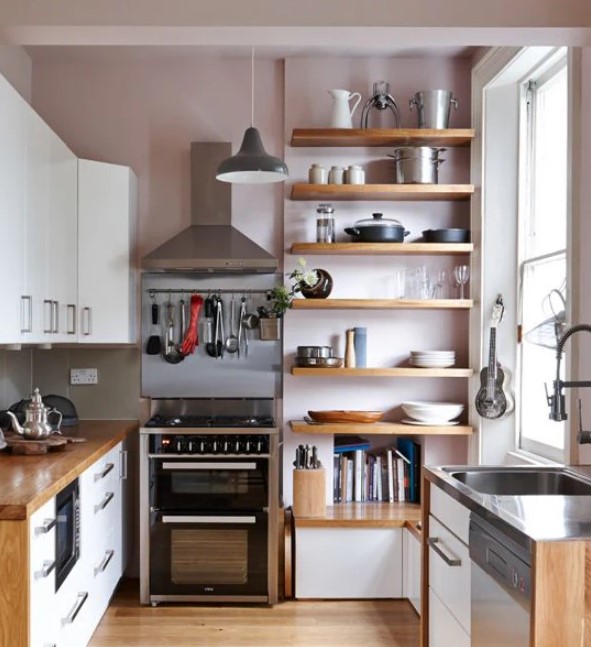
Tiny galley kitchen: Focus on your window area and maybe one wall. Vertical elements like hanging herbs or wall-mounted storage look good without taking up precious counter space.
Open concept with kitchen island: Your island is your focal point. A simple table runner with a few seasonal elements makes a big impact.
Basic apartment kitchen: Work with lighting and small changes. String lights, new dish towels, and a plant or two can completely change the mood.
Kitchen with no windows: Focus on artificial lighting and bring in natural elements like wood cutting boards or woven baskets.
The Timeline That Works
Don’t try to do everything at once. I spread changes over a few weeks:
Week 1: Dish towels and coffee area setup Week 2: Add lighting and plants
Week 3: One bigger project like backsplash contact paper or herb garden
This way you can see what works in your space before adding more, and it spreads the cost out.
Real Talk About Budgets
You can make a real difference with fifteen to twenty-five dollars if you’re strategic. Hit Dollar Tree for basics like small pumpkins and window clings, Target for dish towels and small décor, and save the bigger projects for when you have more to spend.
I track what I spend on seasonal decorating because I used to go overboard. Last year’s fall kitchen updates cost me fifty-three dollars total, spread over September and October. This year I’m reusing most of it and only adding maybe twenty dollars worth of new stuff.
The key is buying things you’ll actually use and enjoy, not just things that look good in photos.
Frequently Asked Questions
How do I make my rental kitchen feel cozy for fall without losing my security deposit?
Stick to non-permanent changes: command strip LED string lights under cabinets, removable peel-and-stick contact paper for the backsplash (test in a hidden corner first), and window clings instead of curtains. Swap dish towels and countertop accessories for seasonal versions. Plants in freestanding pots add warmth without touching a single wall. I’ve decorated four different rental kitchens this way and never had a deduction. The key rule: if it requires a tool to install, skip it.
What’s the single most impactful fall kitchen update under $15?
Honestly? Lighting. A set of warm-white battery LED string lights tucked under your upper cabinets costs $8–15 and completely transforms how the kitchen feels at night. Harsh overhead lighting makes even beautiful décor look flat. Add warm, low light and suddenly everything feels like a cozy autumn evening — without changing a single decoration. If you already have good lighting, dish towels in rust or deep orange run $3–4 each at Target and are my second pick for maximum impact per dollar.
Should I decorate my kitchen for fall separately from Halloween?
Yes — and it’ll save you money. Build your fall kitchen foundation with neutral autumn elements (warm tones, natural textures, seasonal produce) that work from September through November. Then for Halloween, add just one or two accent pieces: a tiny skeleton on the counter, a black candle. When Halloween passes, remove those two things and you’re seamlessly into Thanksgiving territory. Buying “fall” instead of “Halloween-specific” means everything gets used for 10+ weeks instead of three. Your dollar goes about four times as far this way.
What’s Next
Tomorrow I’m planning to make a simple table runner out of burlap fabric—should cost about eight dollars and take maybe an hour. Not because I need it, but because I have a free Saturday afternoon and I think it’ll look nice with the pumpkins I already have.
That’s the thing about decorating on a budget: it happens slowly, one small project at a time. But those small changes add up to a space that actually feels like home.
What’s your biggest kitchen decorating challenge? I’m always curious about what works (and what doesn’t) in different spaces.
More >
1. Gallery Wall on a Budget: 12 Creative Ideas Using Free Printables
Leave a Reply