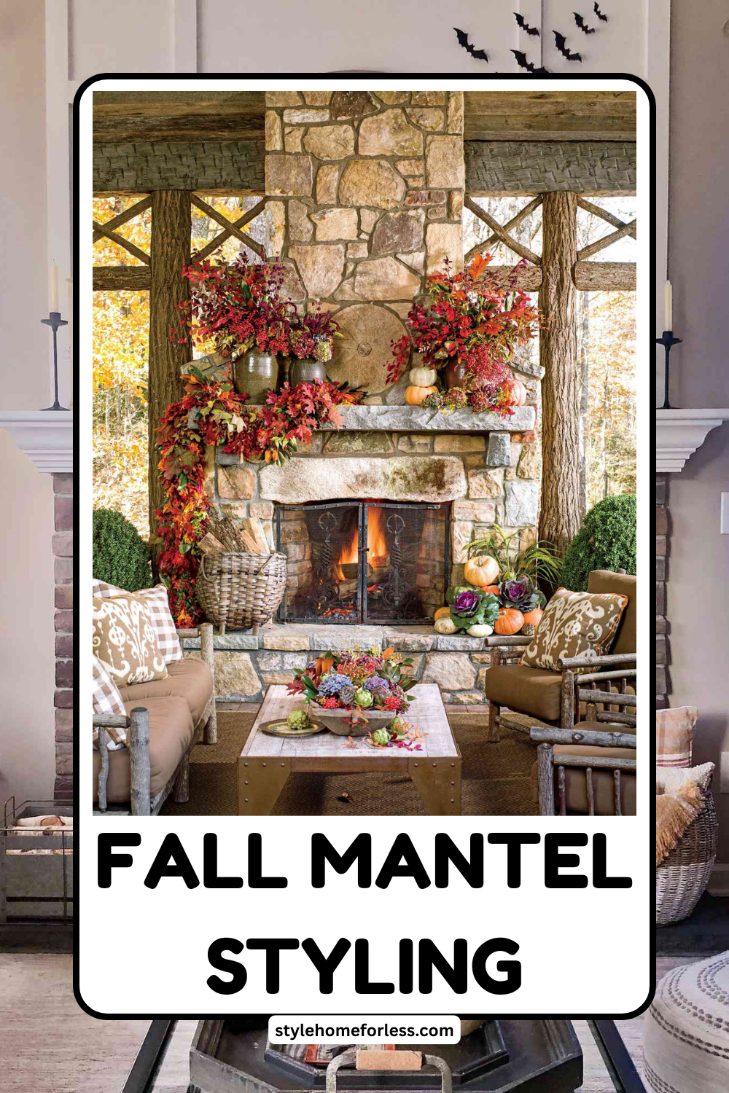
Transform Your Fireplace Into Autumn’s Crown Jewel
The $200 Mantel That Started Everything
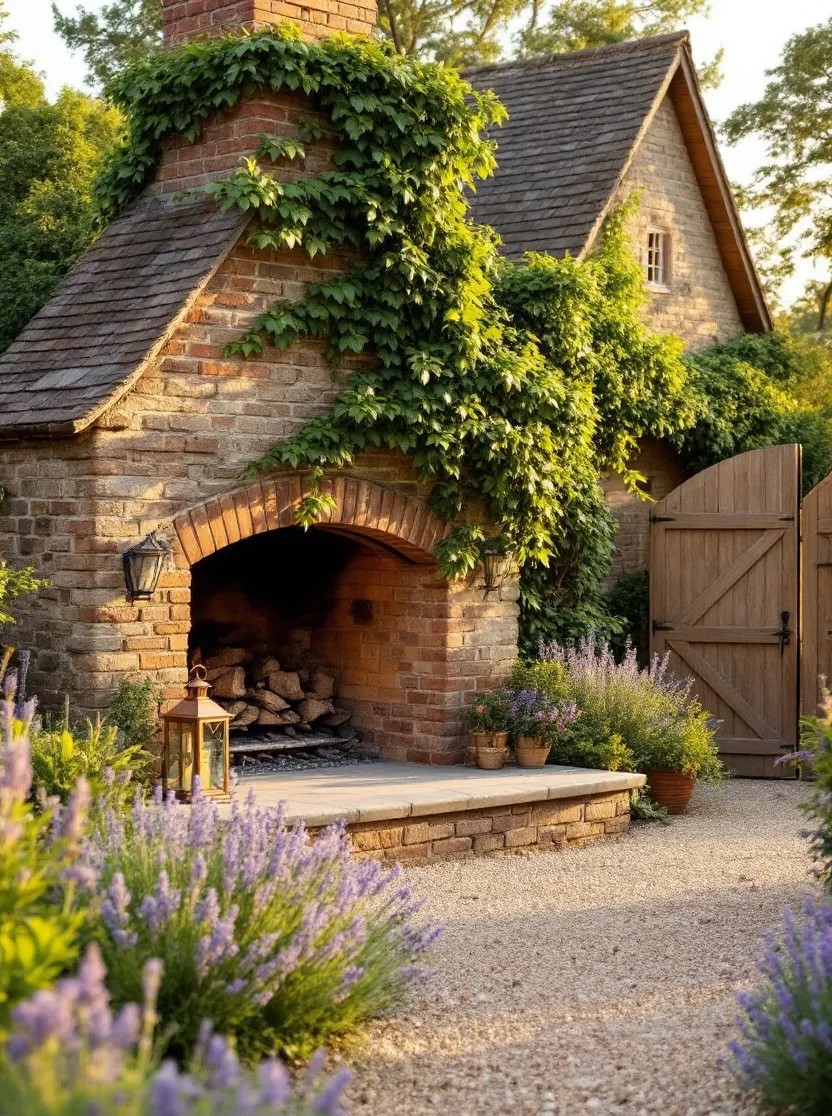
Three weeks ago, I walked into my friend Sarah’s house and stopped dead in my tracks. Her mantel was absolutely stunning—layers of copper candlesticks, perfectly arranged mini pumpkins, eucalyptus cascading just so, warm Edison bulb lighting that made everything glow like a Pottery Barn catalog.
“This is incredible! Where did you find everything?” I gushed.
“Oh, that?” She laughed. “Two hundred and thirty dollars at Crate & Barrel. Worth every penny, right?”
I nodded enthusiastically while internally calculating that $230 would cover my entire month of groceries.
But here’s what haunted me: nothing about that mantel was inherently expensive. The magic was in the arrangement, the color coordination, the height variation. The actual objects? Candlesticks, pumpkins, greenery, lights. All available at budget stores.
That night, I decided to prove it.
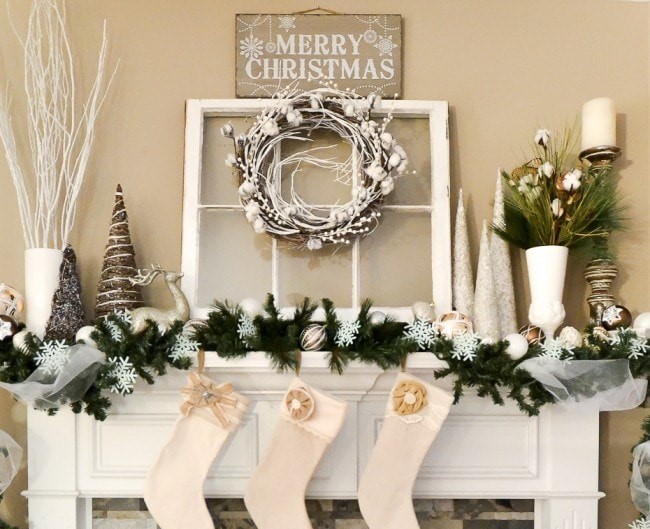
The Great Mantel Experiment: 6 Styles, $180 Total
Challenge accepted: Create six completely different fall mantel looks for the cost of Sarah’s one arrangement.
Ground rules:
- Maximum $30 per styling approach
- Must look cohesive and intentional, not “budget compromise”
- Each style should work in different home aesthetics
- Total time per arrangement: under 2 hours
The results surprised everyone, including me.
PORTFOLIO OF POSSIBILITIES
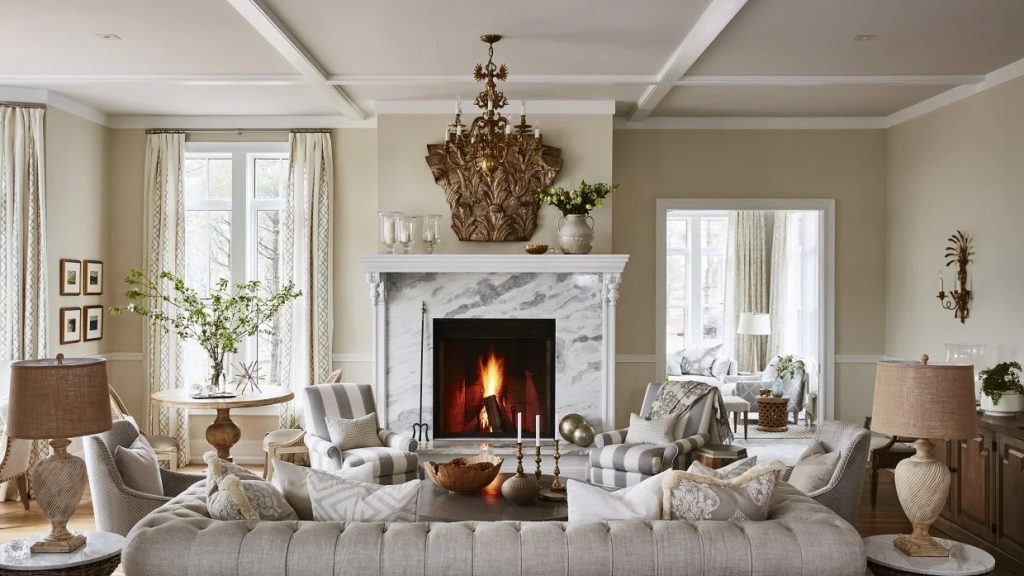
🍂 ARRANGEMENT ONE
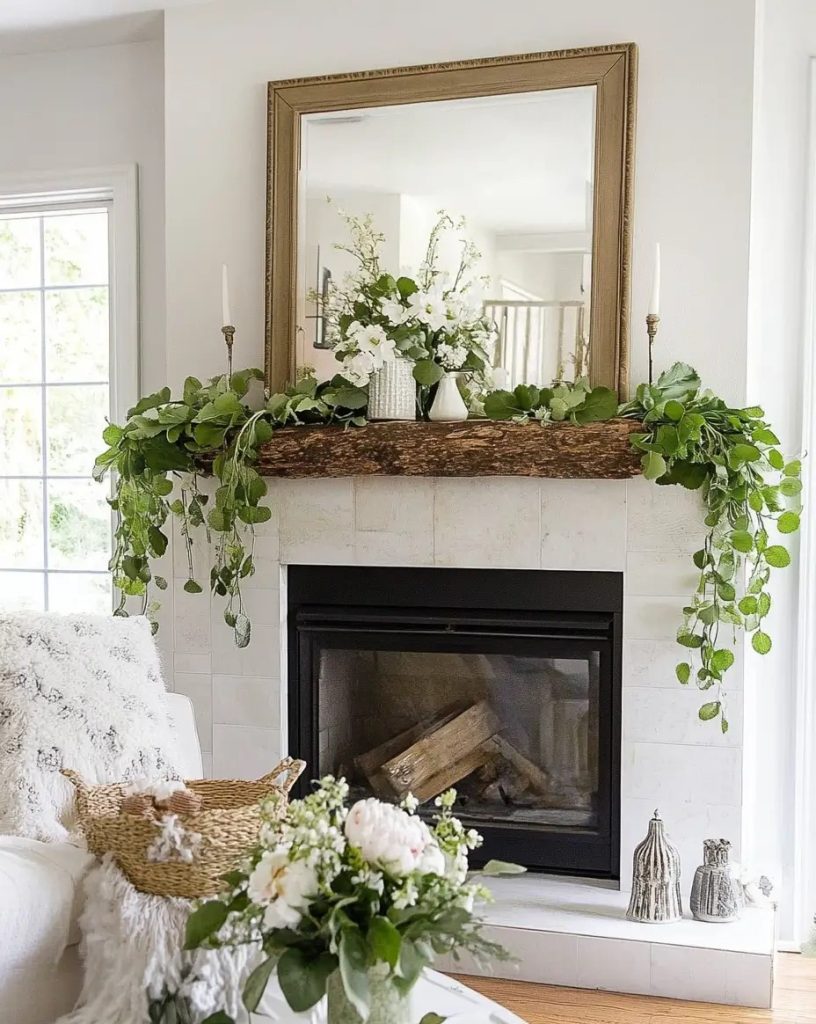
Scandinavian Serenity
Lagom meets autumn
TOTAL COST: $24
Sometimes the most beautiful statements are whispers, not shouts. This arrangement proves that Scandinavian hygge doesn’t require Danish furniture store prices.
The Foundation:
- 3 white ceramic vessels (varying heights: 8″, 6″, 4″) → Target clearance: $12
- Fresh eucalyptus bundle → Trader Joe’s: $4
- Chunky white pillar candle → IKEA: $3
- Small river rocks (for vessel weight) → Dollar Tree: $2
- Linen table runner (as base) → Thrift store: $3
Assembly Philosophy:
STEP 1 → Position runner as foundation (slightly off-center)
STEP 2 → Place tallest vessel back-left, creating focal point
STEP 3 → Medium vessel front-right for balance
STEP 4 → Shortest vessel between them, pulled forward
STEP 5 → Add eucalyptus to tallest vessel only
STEP 6 → Position candle adjacent to medium vessel
STEP 7 → Fill vessels with rocks for stability
Scandinavian Success Secrets:
- Negative space is essential – 60% of mantel should remain empty
- Texture over pattern – focus on materials, not designs
- Natural elements only – no artificial anything
- Muted color palette – whites, creams, pale sage maximum
Why it works: The eye needs places to rest. Scandinavian design provides visual calm in our overstimulated world.
🏡 ARRANGEMENT TWO
English Country Garden
Cottage charm without the countryside
TOTAL COST: $28
This style celebrates the collected-over-time aesthetic of English country homes, where every object has a story and nothing matches perfectly.
The Treasure Hunt:
- Vintage brass candlesticks (mismatched pair) → Estate sale: $8
- Dried hydrangeas (soft pink/lavender) → Craft store clearance: $5
- Antique books (3-4 with beautiful spines) → Used bookstore: $6
- Small ceramic pitcher (cream or soft blue) → Thrift store: $4
- Battery-operated fairy lights → Amazon: $5
Layering Like a Pro:
FOUNDATION LAYER → Stack books horizontally as platforms
ELEVATION LAYER → Place candlesticks on book platforms
LIGHTING LAYER → Weave fairy lights behind objects
ORGANIC LAYER → Add hydrangeas to pitcher, tuck stems around
FINISHING LAYER → Drape remaining lights casually
English Cottage Authenticity:
- Embrace imperfection – slight chips and patina add character
- Mix eras carefully – combine Victorian, Edwardian, modern country
- Soft lighting essential – harsh light kills cottage ambiance
- Layer incrementally – build up slowly, assess constantly
The secret: English cottage style should look like you inherited pieces from a well-traveled, artistic grandmother.
🌾 ARRANGEMENT THREE
Modern Farmhouse Fusion
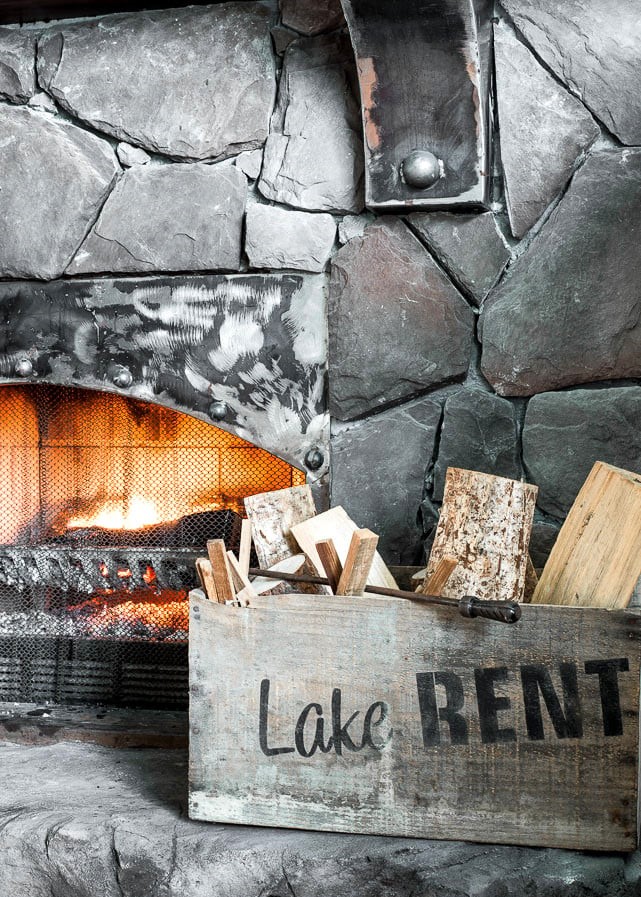
Where rustic meets refined
TOTAL COST: $29
This approach balances farmhouse warmth with contemporary clean lines, perfect for homes that want cozy without kitsch.
The Modern Farmhouse Mix:
- Galvanized metal containers (3 sizes) → Walmart garden section: $9
- Cotton stem bundles → Hobby Lobby (with coupon): $6
- Reclaimed wood piece (as backdrop) → Hardware store scraps: $4
- Cream pillar candles (various heights) → Dollar Tree: $4
- Natural jute rope → Home Depot: $3
- Burlap ribbon → Dollar Tree: $3
Construction Process:
BACKDROP → Position wood piece against wall (lean, don't hang)
ANCHORING → Place largest galvanized container off-center
BALANCE → Add medium container opposite side, forward
ACCENT → Small container between larger ones
ORGANIC → Fill containers with cotton stems
ILLUMINATION → Position candles at varying heights
SOFTENING → Wrap rope around containers, tie with burlap bows
Modern Farmhouse Guidelines:
- Clean lines with rustic textures – avoid overly distressed pieces
- Functional beauty – everything should look usable
- Neutral color story – whites, creams, natural wood, metal
- Mix materials intentionally – metal + wood + fabric in each vignette
Style note: Modern farmhouse works because it feels authentic, not forced. Avoid anything labeled “farmhouse style” – find real functional pieces instead.
🌿 ARRANGEMENT FOUR
Bohemian Autumn Oasis
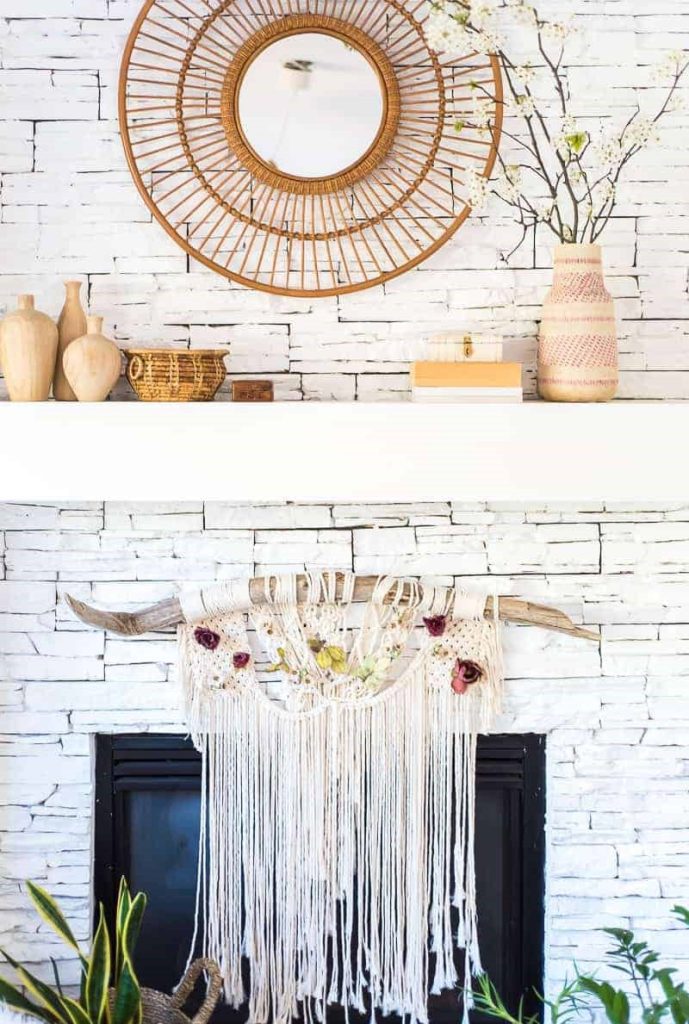
Global inspiration, local finds
TOTAL COST: $30
Bohemian style celebrates creative collecting, mixing textures and cultures with artistic confidence.
The Boho Collection:
- Macramé wall hanging (small) → Local artisan market: $10
- Brass vessels (various shapes and sizes) → Thrift stores: $8
- Pampas grass or dried palm → Florist: $6
- Terracotta pots with succulents → Grocery store: $4
- Moroccan tea glasses → World Market clearance: $2
Bohemian Arrangement Strategy:
BACKDROP → Hang macramé slightly off-center above mantel
FOUNDATION → Arrange brass vessels at different depths
ORGANIC ELEMENTS → Add pampas grass to tallest vessel
LIVING ACCENTS → Position succulent pots in front
LIGHT CATCHERS → Place tea glasses to catch and reflect light
FINAL BALANCE → Adjust everything slightly off-perfect
Bohemian Principles:
- Embrace organized chaos – too neat kills boho vibe
- Layer textures liberally – woven, smooth, rough, soft
- Mix cultural influences respectfully – appreciate, don’t appropriate
- Include living elements – plants bring authentic bohemian energy
Cultural consideration: Source pieces ethically and understand the origins of decorative elements you choose.
🍁 ARRANGEMENT FIVE
Classic Traditional Elegance
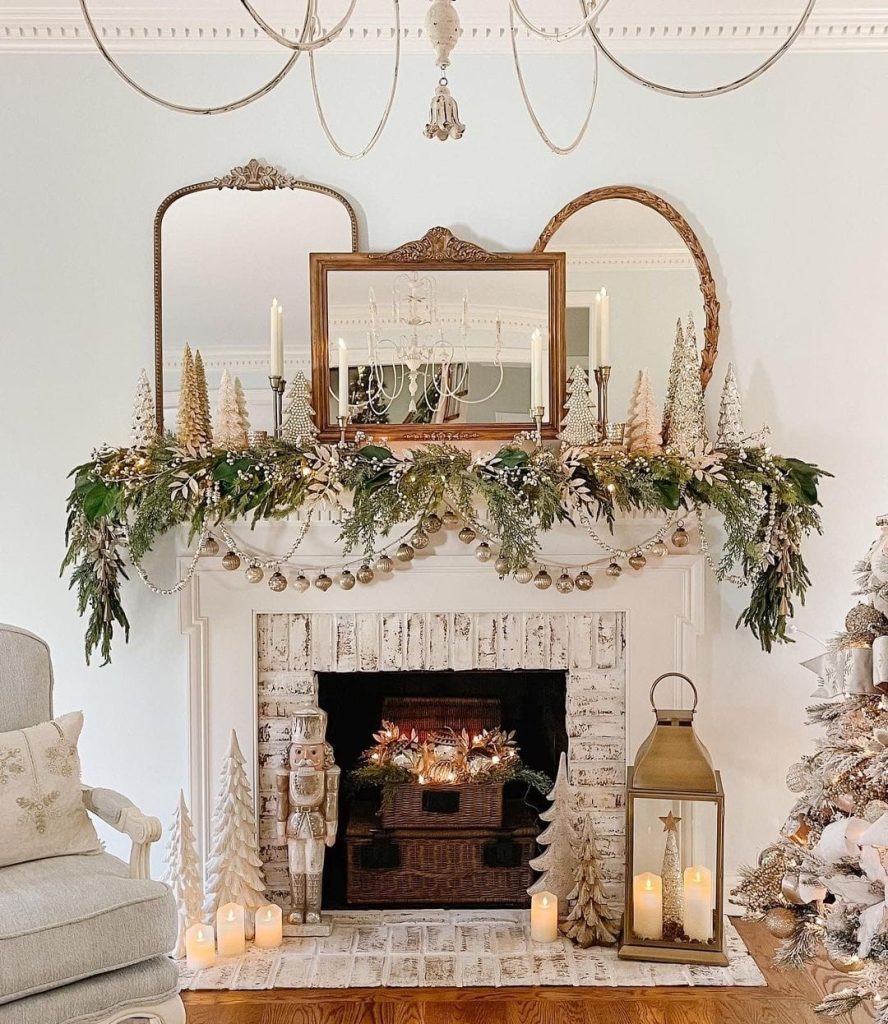
Timeless sophistication on a timeline budget
TOTAL COST: $27
Traditional style proves that elegance isn’t about price tags – it’s about proportion, symmetry, and classic color combinations.
The Traditional Toolkit:
- Matching brass candlesticks (pair) → Estate sale find: $12
- Autumn gourds and mini pumpkins → Farmer’s market: $8
- Fall leaf garland (silk, high quality) → Michael’s with coupon: $4
- Classical urn or pedestal bowl → Thrift store: $3
Traditional Assembly Rules:
SYMMETRICAL BASE → Position matching candlesticks equidistant from center
CENTER FOCUS → Place urn in middle as anchor point
GARLAND DRAPING → Arrange leaves to flow naturally along mantel
ORGANIC GROUPING → Cluster gourds in odd numbers (3, 5)
HEIGHT GRADUATION → Tallest in back, medium front, smallest forward
LIGHTING TEST → Candles should illuminate whole arrangement evenly
Traditional Style Commandments:
- Symmetry creates calm – balance is essential, not optional
- Quality over quantity – fewer pieces, better materials
- Classic color combinations – burgundy + gold, sage + cream, navy + brass
- Proper proportions – mantel elements should relate to room scale
Timeless test: Ask yourself: “Would this look appropriate in both 1955 and 2055?” Traditional transcends trends.
⚙️ ARRANGEMENT SIX
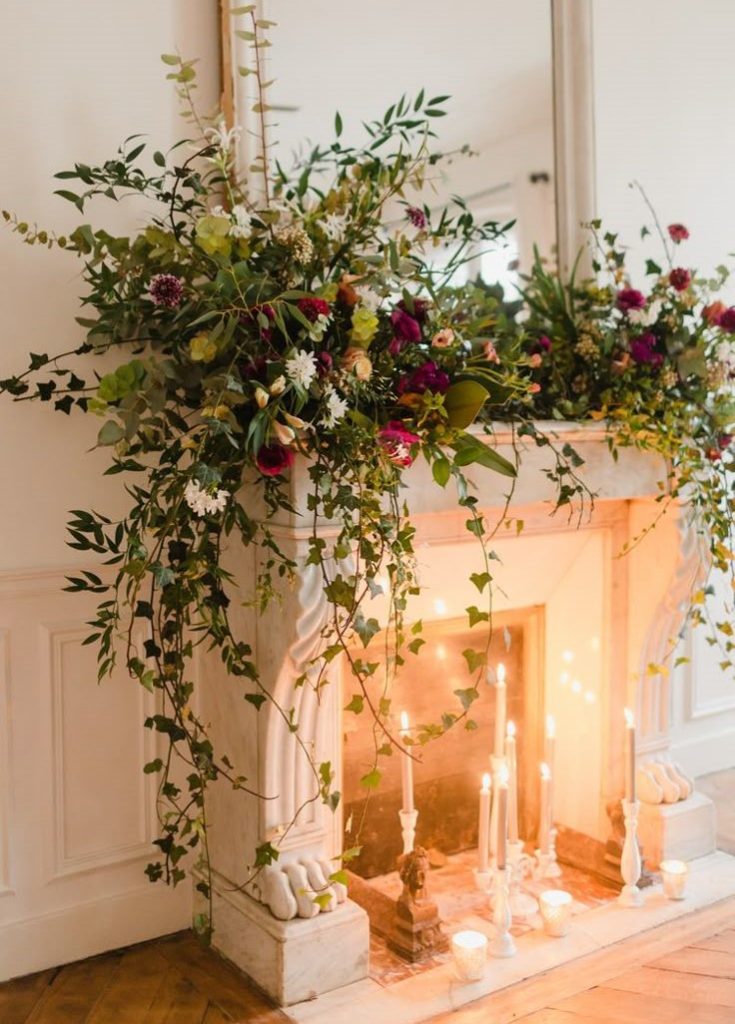
Industrial Autumn Edge
Urban sophistication meets seasonal warmth
TOTAL COST: $26
Industrial style balances raw materials with refined styling, creating mantels that feel both edgy and approachable.
The Industrial Arsenal:
- Black metal containers (geometric shapes) → Target clearance: $8
- Copper spray paint → Hardware store: $4
- Bare branches (interesting shapes) → Foraged free: $0
- Edison bulb string lights → Amazon: $7
- Concrete or stone elements → Garden center: $4
- Dark pillar candles → Dollar Tree: $3
Industrial Construction Method:
TREATMENT → Lightly spray-paint some metal containers with copper
FOUNDATION → Position largest metal container as anchor
ORGANIC CONTRAST → Add bare branches for height and texture
ILLUMINATION → String Edison bulbs behind arrangement
WEIGHT BALANCE → Add concrete elements for visual grounding
WARM ACCENTS → Position dark candles for cozy contrast
FINAL EDGE → Ensure some elements feel deliberately imperfect
Industrial Style Principles:
- Raw materials with purpose – everything should look functional
- Dark, moody color palette – charcoal, copper, rust, warm whites
- Mix temperatures – cold metals + warm lighting
- Embrace weathered finishes – new doesn’t look industrial
Balance factor: Industrial needs warmth to avoid feeling cold or unwelcoming. Lighting and copper accents are essential.
THE SCIENCE OF SUCCESSFUL STYLING
Visual Weight Distribution
60% → Large anchor pieces (biggest vase, main candlestick, backdrop element)
30% → Medium transition pieces (books, medium containers, supporting candles)
10% → Small detail pieces (mini pumpkins, trailing elements, finishing touches)
Height Hierarchy Laws
- Primary height: Tallest element, positioned in back third of mantel
- Secondary height: 60-75% of primary height, positioned for balance
- Tertiary height: 40-50% of primary height, fills visual gaps
- Ground level: Spreads horizontally, anchors arrangement
Color Temperature Rules
WARM UNDERTONES (Red, orange, yellow bases) → Rust, burgundy, gold, copper, warm white, cream
COOL UNDERTONES (Blue, green, purple bases)
→ Sage, gray, silver, cool white, lavender
NEVER MIX TEMPERATURES unless you’re experienced with advanced color theory.
TROUBLESHOOTING COMMON DISASTERS
| PROBLEM | QUICK FIX | PREVENTION |
|---|---|---|
| Everything looks tiny | Add books/boxes as risers underneath | Measure mantel before shopping |
| Arrangement feels flat | Pull some items toward front edge | Plan depth layers during setup |
| Colors clash horribly | Add unifying element (similar candles throughout) | Stick to one color temperature family |
| Too cluttered/busy | Remove 30%, then add back only what you miss | Follow 60-30-10 visual weight rule |
| Looks obviously cheap | Upgrade lighting and add one quality piece | Invest more in lighting than objects |
| Doesn’t match room | Pull one color from existing décor into arrangement | Assess room colors before shopping |
SMART SHOPPING STRATEGIES
Dollar Tree Gold Mines
✓ Glass vases and containers – identical to Target versions
✓ LED battery lights – surprisingly long-lasting
✓ Small decorative objects – pumpkins, gourds, basic candles
✗ Avoid: Obviously plastic items, anything too small to see from across room
Thrift Store Treasure Maps
✓ Brass candlesticks – patina adds authenticity
✓ Vintage books – beautiful spines, interesting titles
✓ Ceramic and glass containers – unique shapes, quality materials
✗ Avoid: Damaged items, dated color combinations, anything too trendy
Target Dollar Spot Strategy
✓ Seasonal textiles – runners, small fabric elements
✓ Quality candles – better scent throw than dollar store versions
✓ Coordinated seasonal items – designed to work together
✗ Avoid: Anything you’ll be sick of in two weeks
Natural Element Foraging
✓ Interesting branches – unique shapes, natural curves
✓ Pinecones and acorns – free texture and organic appeal
✓ Smooth stones – weight for vessels, natural beauty
✗ Avoid: Anything diseased, bug-infested, or illegally collected
SEASONAL EVOLUTION TIMELINE
SEPTEMBER: Foundation Building
- Establish core autumn palette
- Focus on natural harvest elements
- Avoid obviously Halloween items
- Build flexible base that transitions easily
OCTOBER: Deepening Drama
- Add richer, deeper colors
- Incorporate subtle Halloween elements if desired
- Increase lighting for shorter days
- Layer in more dramatic textures
NOVEMBER: Gratitude Shift
- Transition toward thanksgiving themes
- Emphasize warm, gathering-focused elements
- Remove orange-heavy pieces
- Add elements that work through December
DECEMBER: Holiday Bridge
- Keep autumn foundation, add subtle holiday touches
- Incorporate metallics and evergreen elements
- Maintain established color story
- Prepare for winter/holiday styling
YOUR PERSONAL STYLING WORKSHOP
WEEK ONE: Style Discovery
Monday: Walk through your home and identify your dominant style
Tuesday: Measure your mantel and assess current condition
Wednesday: Browse Pinterest/Instagram for inspiration (save 10-15 images)
Thursday: Analyze saved images for common elements
Friday: Choose your style direction from the six options
Weekend: Create detailed shopping list with backup options
WEEK TWO: Strategic Shopping
Monday: Thrift store hunting (bring measurements and inspiration photos)
Tuesday: Dollar Tree and Dollar Spot exploration
Wednesday: Natural element foraging or farmer’s market visit
Thursday: Final shopping trip for any missing pieces
Friday: Organize all materials and plan arrangement
Weekend: STYLING DAY
WEEK THREE: Refinement & Documentation
Daily: Live with arrangement, note what works and what doesn’t
Weekend: Make final adjustments, photograph results, plan next season
MEASURING SUCCESS: BEYOND COMPLIMENTS
FUNCTIONAL METRICS
- [ ] Can you dust easily without moving everything?
- [ ] Do candles light safely without fire hazards?
- [ ] Does arrangement complement (not compete with) room?
- [ ] Can you afford to maintain/replace elements as needed?
AESTHETIC BENCHMARKS
- [ ] Arrangement photographs well in natural light
- [ ] Colors coordinate with existing room palette
- [ ] Height variation creates visual interest from room entrance
- [ ] Style matches your home’s overall personality
EMOTIONAL INDICATORS
- [ ] You feel proud showing the space to guests
- [ ] Arrangement brings daily joy, not stress
- [ ] Space feels more intentional and seasonal
- [ ] You gained confidence in your decorating abilities
THE REAL TRANSFORMATION
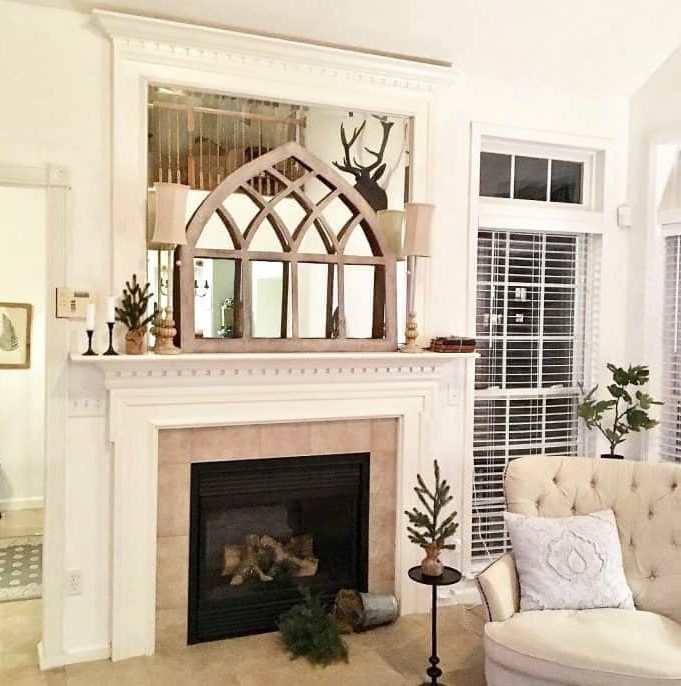
After three weeks of testing these arrangements, I invited Sarah over for coffee. She walked into my living room, stopped at my mantel, and said, “Oh my God, this is gorgeous! It’s so much more interesting than mine. Where did you find everything?”
“Dollar Tree, thrift stores, Target clearance,” I replied. “Total cost: twenty-eight dollars.”
Her jaw dropped. “But it looks like you hired a designer!”
That’s the point. Beautiful home styling isn’t about having the biggest budget—it’s about understanding what makes arrangements look expensive and applying those principles with accessible materials.
Your mantel is prime real estate in your home’s visual story. With thoughtful approach and strategic shopping, thirty dollars creates the same impact as arrangements costing ten times more.
The secret ingredient isn’t money. It’s confidence in your own creative abilities and knowledge of what actually makes spaces beautiful.
Frequently Asked Questions
What do I need to style a beautiful fall mantel on a budget?
You don’t need much — the magic is in the layering, not the price tags. Start with three height levels: something tall (candles, branches, or a mirror leaning against the wall), something mid-height (lanterns, small vases, or a stack of books), and something low (a garland, scattered leaves, or small gourds). Add one warm light source — even battery-powered string lights or a single pillar candle — and your mantel transforms instantly. Dollar Tree, thrift stores, and Target clearance are your best sourcing options for under $30 total.
How do I make a fall mantel look symmetrical without it feeling boring?
The trick is “balanced asymmetry” — mirror the general weight of objects on each side without making them identical. For example, a tall candlestick on the left balances a medium lantern plus a small pumpkin grouping on the right. They’re different objects but similar visual weight. Add one statement piece in the center (a wreath, sign, or framed print) to anchor everything, then layer in small trailing elements like foliage or ribbon to soften the edges. This approach looks both intentional and effortlessly styled.
Can I style a fall mantel if I don’t have a fireplace?
Absolutely! Any horizontal surface works — a console table, bookshelf top, dresser, or even a floating shelf. The same principles apply: vary heights, layer textures, and anchor with a focal point on the wall above (a mirror, framed print, or wreath). A console table in an entryway or behind a sofa actually gives you more freedom to arrange because it’s usually deeper than a traditional mantel. If you’re working with a small apartment, my guide to best IKEA hacks for small spaces has great tips on creating styled display areas without a traditional fireplace setup.
Want to take your fall styling even further? My post on dollar store DIY projects is packed with ideas for creating custom decor pieces that look store-bought — perfect for rounding out a mantel display without blowing the budget.
Ready to prove that stunning fall mantels don’t require designer budgets? Pick your style, gather your materials, and transform your fireplace into autumn’s crown jewel this weekend.
Leave a Reply