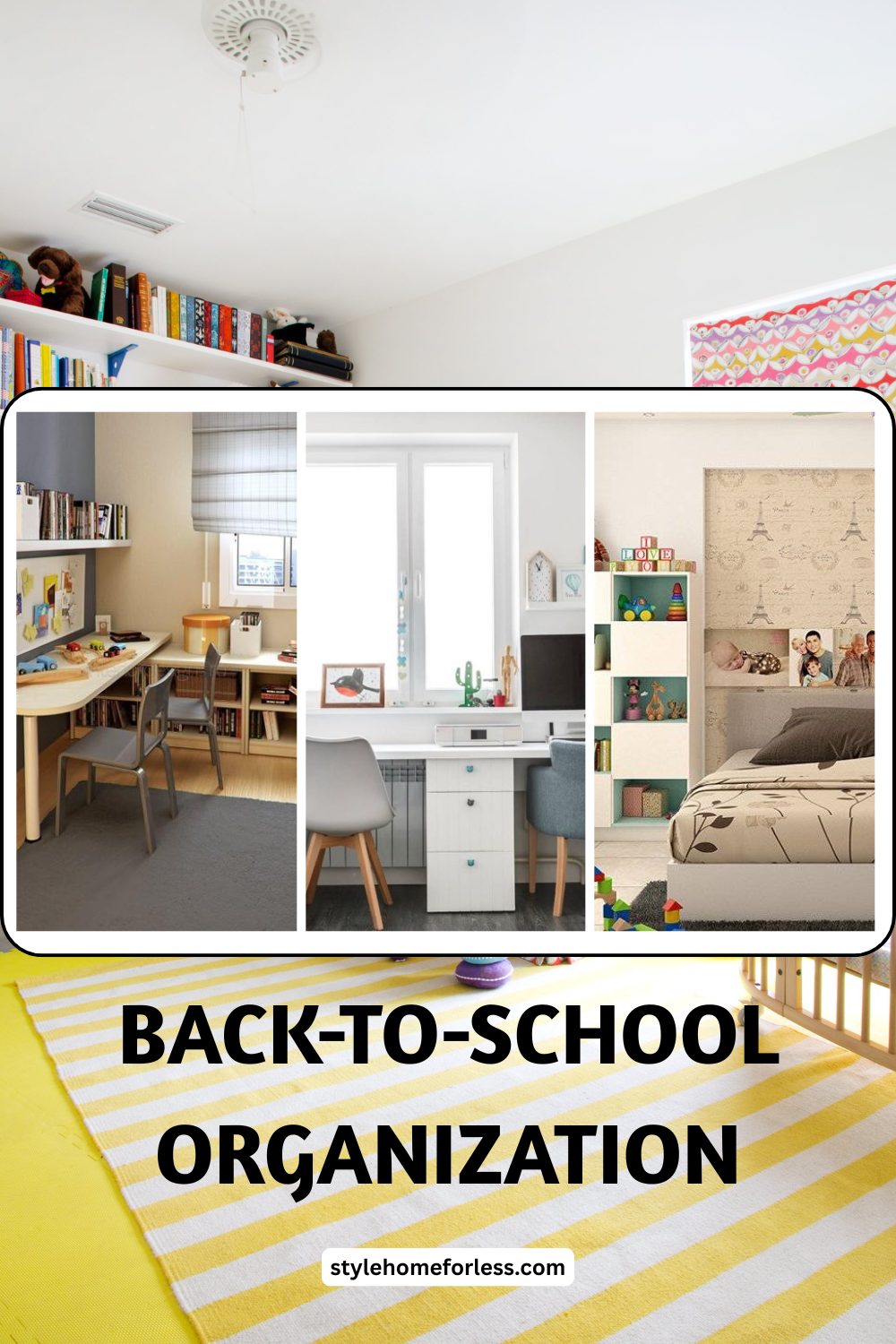
When your kid’s bedroom looks like a tornado hit a craft store and your sanity is hanging by a thread
THE GREAT CRAYON MASSACRE OF LAST TUESDAY
So there I was, standing ankle-deep in what appeared to be the aftermath of a very small, very colorful explosion.
My 9-year-old daughter Mia had been “looking for her math homework” for exactly 47 minutes. In that time, she’d somehow managed to:
- Empty three dresser drawers onto the floor
- Discover a sandwich from approximately 2023
- Find 14 broken crayons, 6 dried-up markers, and what might have been a science experiment
- Locate everything EXCEPT her math homework
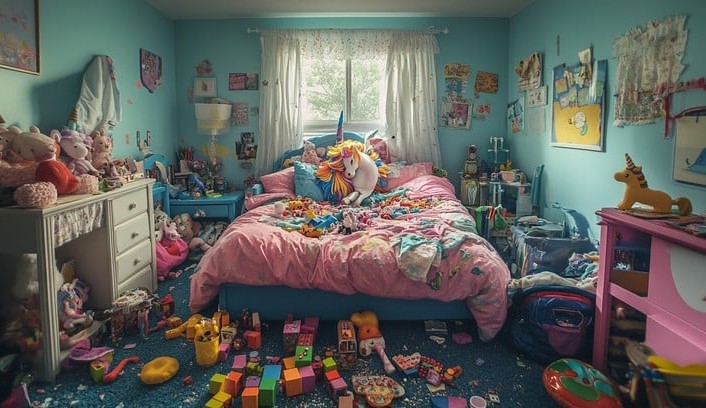
“Mom, I think it’s in my backpack,” she announced, as if this revelation hadn’t occurred to her while standing in a room that looked like a Crayola factory had been hit by a hurricane.
Plot twist: It wasn’t in her backpack either.
We found it three days later. Under her pillow. Don’t ask me why.
That night, while googling “is it too late to homeschool” at 11 PM, I had an epiphany: This isn’t a kid problem. This is a system problem.
🧠 WHY KIDS’ BRAINS AND ORGANIZATION ARE NATURAL ENEMIES
The Science Behind the Chaos
Here’s what nobody tells you about children’s brains: they’re literally wired for chaos until around age 12.
EXECUTIVE FUNCTION DEVELOPMENT:
- Ages 3-7: “Where did I put that?” is their permanent mental state
- Ages 8-12: Can follow systems but can’t create them independently
- Ages 13+: Finally capable of designing their own organizational methods
WORKING MEMORY LIMITATIONS: Kids can hold about 3-4 pieces of information at once. So when you say “clean your room,” their brain hears “clean your…” and then gets distracted by that really interesting dust bunny.
THE VISUAL PROCESSING TRUTH: If they can’t see it, it doesn’t exist. This is why every organizational system for kids must be 100% visible and accessible.
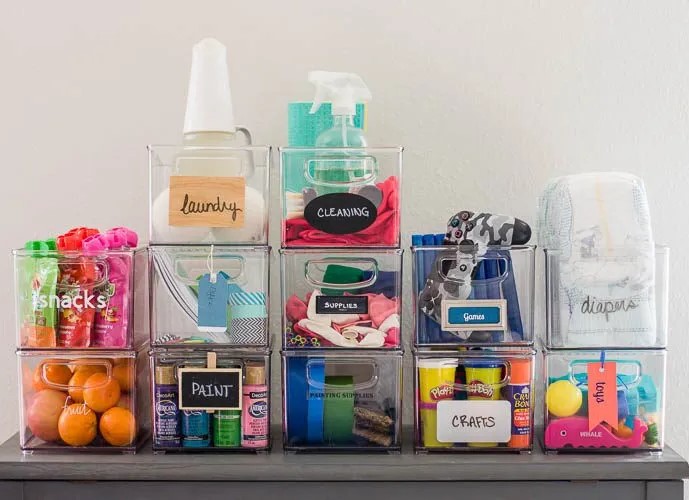
The “Mom, Where’s My…” Prevention Strategy
🎯 THE GOLDEN RULE → Everything must have ONE obvious home
🔍 THE VISIBILITY RULE → If it's hidden, it's lost forever
⏰ THE SIMPLICITY RULE → More than 2 steps = system failure
🎨 THE PERSONALITY RULE → Let kids choose colors and themes
💸 REAL BUDGET BREAKDOWNS (No Math Degree Required)
THE $25 “OH CRAP, SCHOOL STARTS MONDAY” EMERGENCY KIT
For when you realize organization on Sunday night before first day
| WHAT YOU NEED | WHERE TO GET IT | ACTUAL COST |
|---|---|---|
| Clear plastic drawers (3-pack) | Dollar Tree | $3.75 |
| Over-door shoe organizer | Dollar Tree | $1.25 |
| Pencil cups (pack of 4) | Target Dollar Spot | $3.00 |
| Labels and markers | Dollar Tree | $2.50 |
| Small storage bins (6-pack) | Walmart | $8.99 |
| Command strips variety pack | Target | $5.49 |
TOTAL DAMAGE: $24.98 (saves you approximately 3.7 mental breakdowns)
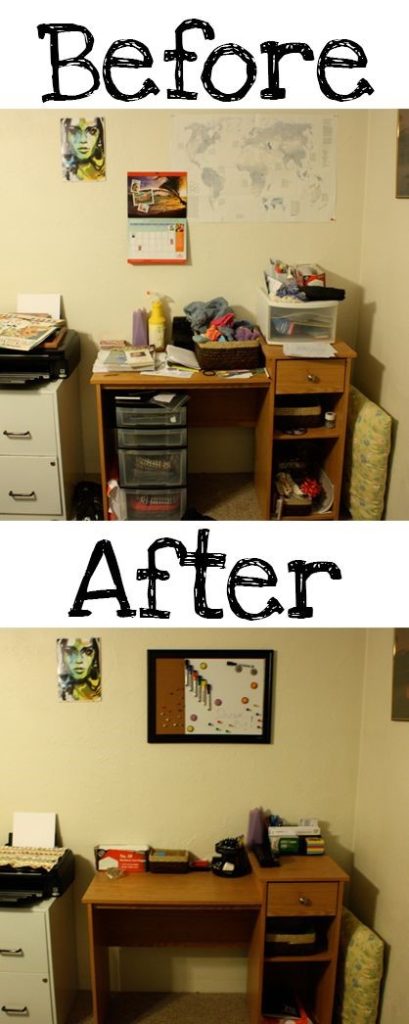
THE $50 “ACTUAL FUNCTIONING HUMAN” TRANSFORMATION
For when you want your kid to find things without calling 911
STORAGE FOUNDATIONS ($28)
- IKEA TROFAST frame + 6 bins: $19
- Desk organizer set (Target): $9
VISUAL SYSTEMS ($12)
- Laminator and pouches: $8
- Colored folders (pack of 10): $4
MOTIVATION ELEMENTS ($10)
- Fun storage labels: $3
- Small reward stickers: $2
- Colored bins for personality: $5
THE $75 “PINTEREST-WORTHY ROOM THAT ACTUALLY WORKS” MAKEOVER
For when you want other parents to ask for your secrets
Everything from $50 plan PLUS:
FURNITURE UPGRADES ($25)
- Rolling cart for art supplies: $15
- Wall-mounted floating shelves: $10
TOTAL: $75 (equivalent value of professional organizer: $200-300)
🏠 ROOM-BY-ROOM BATTLE PLANS
THE TINY BEDROOM CHALLENGE (When 80 sq ft needs to do EVERYTHING)
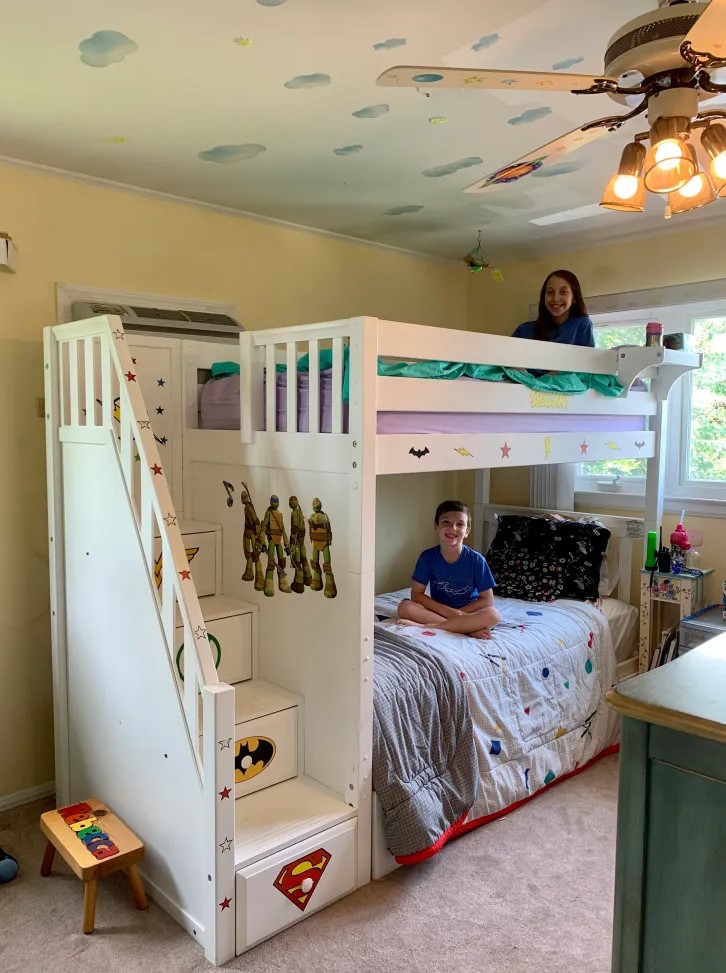
PROBLEM: Your kid’s room is smaller than most walk-in closets SOLUTION: Vertical storage + multi-functional everything
THE WALL-TO-WALL STRATEGY
OVER THE BED:
- Floating shelves for books and treasures
- Command strip hooks for bags and tomorrow’s outfit
- Small cork board for important papers
BEHIND THE DOOR:
- Shoe organizer repurposed for school supplies
- Hooks for jackets and costumes
- Small mirror with storage attached
UNDER THE BED:
- Rolling storage drawers for seasonal clothes
- Art supply storage in flat containers
- Off-season toys in labeled bins
MY SECRET WEAPON: The IKEA KURA bed ($99) literally doubles your floor space when used as a loft. Under-bed becomes study zone, reading nook, or additional storage.
THE SHARED ROOM DRAMA (When siblings make everything complicated)
THE SWITZERLAND APPROACH
Instead of fighting over space, create clear territories:
🔴 EMMA'S ZONE → Red bins, red labels, red hooks
🔵 JACK'S ZONE → Blue everything, no exceptions
💛 SHARED ZONE → Yellow storage for toys they both use
⚪ NEUTRAL ZONE → White/clear for school supplies
THE GENIUS PART: Kids police their own systems because the visual boundaries are so obvious.
CONFLICT RESOLUTION BUILT-IN:
- Personal items stay in personal zones
- Shared items have checkout system
- Clean-up races become fun instead of fights
- Each kid becomes expert on their organizational color
THE PLAYROOM OVERFLOW CRISIS (When toys have invaded the bedroom)
THE ROTATION REVOLUTION
ACTIVE TOYS (accessible bins):
- Current favorites and daily-use items
- Easy to reach, easy to put away
- Limited quantity prevents overwhelm
BACKUP TOYS (higher storage):
- Toys that come out weekly or monthly
- Stored in clear containers with labels
- Kids can see options but aren’t overwhelmed
SEASONAL STORAGE (closet/under bed):
- Beach toys in winter, snow toys in summer
- Holiday-specific items
- Toys being “saved for later”
THE MAGIC: Every 2 weeks, rotate some backup toys into active storage. It’s like Christmas morning without spending money.
🛒 SHOPPING STRATEGIES THAT DON’T REQUIRE A TRUST FUND
IKEA: The Kid Organization Goldmine
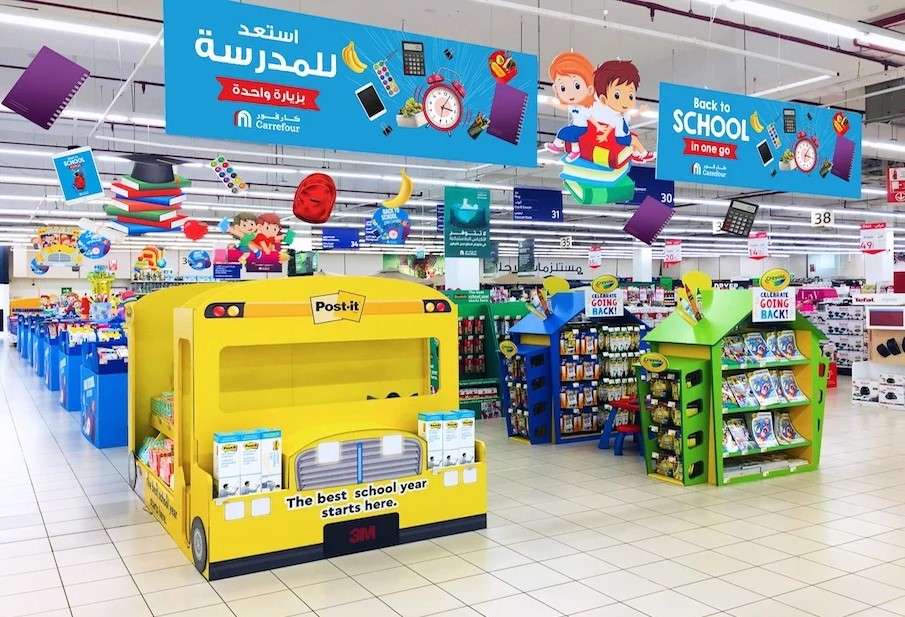
THE TROFAST SYSTEM ($12-30 per setup)
This modular system grows with your kid and changes as their needs evolve:
- Preschool: Picture labels on bins for toys by type
- Elementary: Color-coded bins for school subjects
- Middle school: Mix of open shelves and closed storage for privacy
THE ALGOT WALL SYSTEM ($25-60 total)
- Completely customizable as kids grow
- Rental-friendly installation
- Works for clothes, school supplies, or collections
PRO TIP: IKEA’s “As-Is” section often has slightly damaged organizational furniture for 50-75% off. A small dent doesn’t affect function.
TARGET: Where Style Meets Kid-Friendly
BULLSEYE’S PLAYGROUND WINS:
- Mesh bags for sports equipment: $1-3
- Desktop organizers that look grown-up: $3-5
- Fun storage bins kids actually want to use: $5-10
- Seasonal organizational supplies rotated monthly: $1-8
THE CARTWHEEL APP STRATEGY:
- 5% off everything with RedCard
- Weekly 20% off select kids’ organization items
- Price matching if you find it cheaper elsewhere
DOLLAR TREE: The Hidden Organization Paradise
BEST KEPT SECRETS:
- Clear storage containers in every conceivable size: $1.25 each
- Drawer organizers that rival Container Store versions: $1.25
- Labels and organization supplies for fraction of office store prices: $1.25
- Plastic baskets that look decent spray-painted: $1.25
THE BULK STRATEGY: Buy multiples of the same organizer type. Consistency makes systems work better.
👧👦 AGE-BY-AGE ORGANIZATIONAL GAME PLANS
PRESCHOOL (Ages 3-5): “Picture Perfect Systems”
At this age, kids can’t read but they’re visual learners extraordinaire.
THE PHOTO LABEL REVOLUTION
STEP 1: Take photos of each toy type with your phone STEP 2: Print 4×6 photos for $0.29 each at pharmacy
STEP 3: Laminate for durability (or use clear packing tape) STEP 4: Attach to storage bins with adhesive
EXAMPLE PHOTO LABELS:
- Block bin: Photo of Legos and wooden blocks
- Dress-up bin: Photo of costumes and accessories
- Art bin: Photo of crayons, paper, and scissors
THE MAGIC: Kids feel successful because they can “read” their organizational system.
CLOTHING INDEPENDENCE BUILDER
THE OUTFIT STATION:
- Low hanging rod for next-day clothes
- Step stool for independent access
- Hamper they can actually reach
- Mirror at kid height for self-checking
WEEKLY PREP: Sunday outfit planning becomes fun family activity instead of morning rush crisis.
ELEMENTARY (Ages 6-10): “Homework Station Heroes”
This is when kids need systems that support academic success.
THE COMMAND CENTER APPROACH
DESKTOP ESSENTIALS:
📝 WRITING ZONE → Pencils, pens, erasers in separate containers
📄 PAPER STATION → Different types of paper in vertical files
📚 REFERENCE CORNER → Dictionary, calculator, ruler always accessible
🗂️ SUBJECT SEPARATION → Color-coded folders for each class
DAILY ROUTINE INTEGRATION:
- After school: Empty backpack, sort papers, prep for tomorrow
- Homework time: Everything needed within arm’s reach
- Before bed: Pack backpack using checklist system
THE WEEKLY PLANNING SYSTEM
SUNDAY PREP ROUTINE:
- Lay out clothes for entire week in daily outfits
- Check assignment calendar and gather project materials
- Restock supplies that are running low
- Set goals for the week (academic and organizational)
DAILY MAINTENANCE:
- 10-minute evening cleanup
- Morning checklist completion
- After-school routine execution
MIDDLE SCHOOL (Ages 11-13): “Personal Style Emergence”
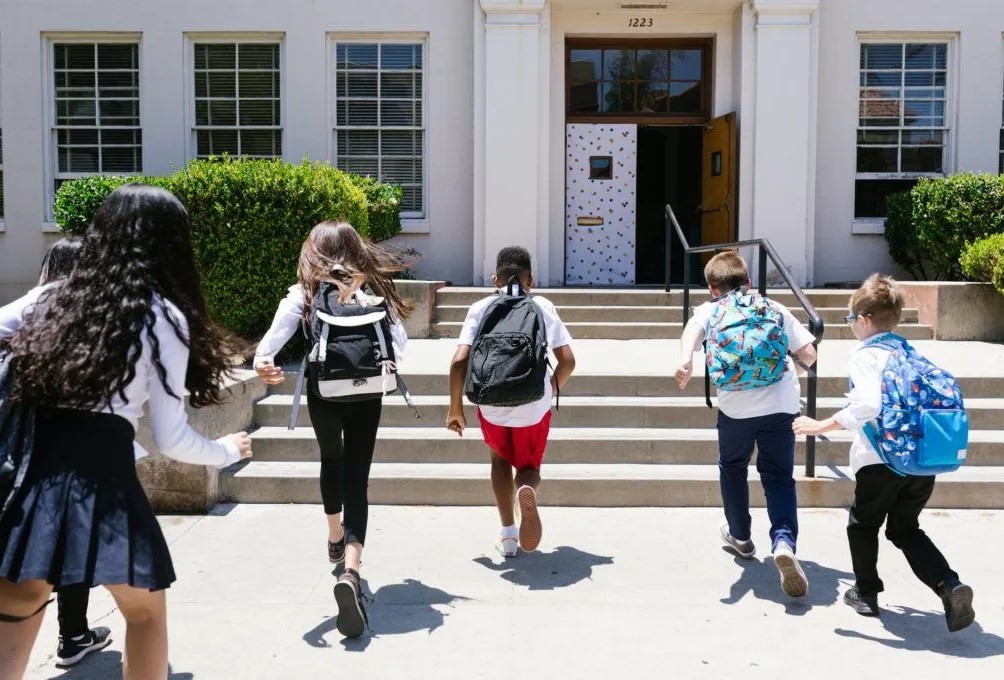
Tweens want organization that reflects their developing personality.
THE SOPHISTICATION UPGRADE
STORAGE THAT DOESN’T SCREAM “LITTLE KID”:
- Neutral colored bins with stylish labels
- Cork boards with fabric covering in chosen colors
- String lights for ambiance and task lighting
- Personal photo displays integrated with organization
TECHNOLOGY INTEGRATION:
- Charging station for devices
- Cord management systems
- Study lighting that’s Zoom-appropriate
- Privacy elements for virtual learning
THE INDEPENDENCE BUILDING PLAN
GRADUAL RESPONSIBILITY TRANSFER:
- Month 1: Parent helps with daily organization
- Month 2: Kid takes over daily maintenance with weekly parent check-ins
- Month 3: Kid manages systems independently with monthly family review
⚡ THE 4-WEEK TRANSFORMATION TIMELINE
WEEK 1: “Assessment and Emotional Preparation”
MONDAY-TUESDAY: THE REALITY CHECK
- Take “before” photos (you’ll want these for your own amazement later)
- Time current routines (how long does morning prep actually take?)
- Interview your kid about what frustrates them most
- Measure everything (trust me, this prevents expensive mistakes)
WEDNESDAY-THURSDAY: THE COLLABORATIVE PLANNING
- Show Pinterest inspiration and let kid choose favorites
- Discuss color preferences (this is where they get buy-in)
- Set realistic goals (“perfect” isn’t the goal, “functional” is)
- Create excitement about the upcoming changes
FRIDAY-WEEKEND: THE SHOPPING EXPEDITION
- Hit multiple stores to compare prices and options
- Let kid make final decisions on storage they’ll actually use
- Stay within budget but splurge on one thing they love
- Buy extra supplies for inevitable adjustments
WEEK 2: “Foundation Building”
THE FURNITURE ARRANGEMENT
DAY 1 → Move furniture to optimal positions
DAY 2 → Install wall-mounted storage systems
DAY 3 → Set up homework/study zone completely
DAY 4 → Organize clothing storage systems
DAY 5 → Create toy and personal item homes
CRITICAL SUCCESS FACTOR: Work WITH your kid, not FOR them. They need to understand how everything works.
WEEK 3: “System Implementation and Training”
THE ROUTINE BUILDING WEEK
- Morning routine practice (time it and adjust as needed)
- After-school routine establishment (homework prep and backpack organization)
- Evening cleanup system (10 minutes maximum for sustainability)
- Weekly planning introduction (Sunday family organizational session)
THE ADJUSTMENT PERIOD
Expect resistance. This is normal. Kids need 21 days to form habits, so patience is key.
WEEK 4: “Fine-Tuning and Independence”
THE SYSTEM PERFECTION
- Modify anything that isn’t working (be honest about failures)
- Add final touches that make the space feel complete
- Document successful systems with photos for future reference
- Celebrate achievements (this reinforcement is crucial)
THE INDEPENDENCE TEST
By week 4, your kid should be able to:
- [ ] Complete morning routine in under 30 minutes
- [ ] Find any requested item within 5 minutes
- [ ] Maintain organization for 3+ days without reminders
- [ ] Explain their systems to friends or family
🚨 CRISIS MANAGEMENT: WHEN SYSTEMS FAIL
THE “IT’S NOT WORKING” EMERGENCY RESPONSE
CRISIS #1: Kid Stops Using the System
❌ DON'T: Lecture about responsibility and wasted money
✅ DO: Ask what's making it hard and adjust accordingly
🔧 FIX: Simplify system or change accessibility
CRISIS #2: Organization Becomes Overwhelming
❌ DON'T: Add more storage solutions
✅ DO: Reduce number of items before reorganizing
🔧 FIX: Regular donation cycles prevent accumulation
CRISIS #3: Sibling Territory Wars
❌ DON'T: Force sharing of organizational systems
✅ DO: Create clearer boundaries and personal zones
🔧 FIX: Separate systems even if space is limited
CRISIS #4: Parent Burnout from Maintenance
❌ DON'T: Take over all organizational tasks
✅ DO: Gradually transfer responsibility to child
🔧 FIX: Age-appropriate expectations with natural consequences
📈 MEASURING SUCCESS (Beyond Just “Looks Better”)
THE 30-DAY CHECKUP METRICS
QUANTITATIVE MEASURES:
- Lost homework incidents: Target reduction of 75%
- Morning routine time: Should decrease by 50%
- Evening cleanup duration: Under 15 minutes consistently
- Parent reminders needed: Decrease by 60%
QUALITATIVE IMPROVEMENTS:
- [ ] Kid expresses pride in their organized space
- [ ] Friends comment positively on the room
- [ ] Increased homework completion rates
- [ ] Reduced family stress during school routines
THE LONG-TERM LIFE SKILLS DEVELOPMENT
WHAT YOU’RE REALLY BUILDING:
- Executive function skills that transfer to all areas of life
- Self-efficacy through mastery of their environment
- Time management abilities essential for academic success
- Responsibility and ownership of personal belongings
THE RIPPLE EFFECTS: Kids who master bedroom organization often show improvement in:
- Academic performance and homework completion
- Self-confidence and independence
- Social skills (friends want to visit organized spaces)
- Family relationships (less conflict over lost items)
🎯 REAL SUCCESS STORIES FROM REAL FAMILIES
THE MARTINEZ FAMILY: “From Chaos to Calm in 3 Weeks”
THE SITUATION: Three kids sharing two bedrooms, constant fights over belongings, homework always lost, mornings = screaming matches.
THE SOLUTION:
- Color-coded personal storage systems for each child
- Shared organizational rules created BY the kids
- Family reward system for maintaining organization
- Weekly family meetings to troubleshoot problems
THE RESULTS (6 months later):
- 90% reduction in sibling conflicts over belongings
- All three kids independently maintain their systems
- Homework completion rate improved from 60% to 95%
- Family stress decreased dramatically
MOTHER’S QUOTE: “I actually enjoy school mornings now. I never thought I’d say that.”
THE SINGLE-PARENT SUCCESS: “Working Mom, Organized Kids”
THE CHALLENGE: Single mom, two kids, limited time and budget, kids resistant to change.
THE BREAKTHROUGH APPROACH:
- Kids earned money for organizational tasks (paid chores)
- Simple systems requiring minimal daily maintenance
- Weekend “organization parties” with music and treats
- Each child became expert on different organizational zones
THE TRANSFORMATION: Kids took pride in their organizing expertise and started helping neighbors organize their rooms for payment.
THE SPECIAL NEEDS ADAPTATION: “Sensory-Friendly Organization”
THE SITUATION: Child with ADHD and sensory processing differences, traditional organization overwhelming.
THE CUSTOMIZED SOLUTION:
- Texture-based storage (smooth vs. rough containers)
- Minimal visual clutter in study areas
- Movement breaks built into organizational routines
- Flexibility for varying energy and attention levels
THE BREAKTHROUGH: Child became MORE organized than neurotypical siblings because systems were perfectly matched to their processing style.
🔄 SEASONAL MAINTENANCE: KEEPING SYSTEMS ALIVE
THE QUARTERLY TUNE-UP SCHEDULE
SEPTEMBER (Back-to-School Reset):
- [ ] Update systems for new grade level requirements
- [ ] Refresh school supply organization
- [ ] Adjust clothing storage for season change
- [ ] Evaluate what worked/didn’t work last year
DECEMBER (Winter Break Refresh):
- [ ] Declutter accumulated items from fall semester
- [ ] Reorganize for holiday gifts and activities
- [ ] Deep clean all organizational systems
- [ ] Plan improvements for spring semester
MARCH (Spring Cleaning Overhaul):
- [ ] Major decluttering and donation drive
- [ ] Assess organizational tools for wear and replacement
- [ ] Adjust systems for growing children and changing needs
- [ ] Prepare for summer schedule transitions
JUNE (Summer Transition):
- [ ] Adapt systems for different summer routines
- [ ] Store school-year specific organizational tools
- [ ] Create summer activity organizational systems
- [ ] Plan and prep for next school year
💡 THE UNEXPECTED LIFE SKILLS BONUS
WHAT KIDS ACTUALLY LEARN FROM BEDROOM ORGANIZATION
PROBLEM-SOLVING SKILLS: When organizational systems break down, kids learn to troubleshoot, adapt, and improve their approaches.
PLANNING AND PREPARATION: Daily organizational routines teach kids to think ahead and prepare for upcoming needs.
SELF-ADVOCACY: Kids learn to identify what works for their learning style and communicate their needs effectively.
COLLABORATION: Family organizational projects teach teamwork, compromise, and shared responsibility.
THE ACADEMIC PERFORMANCE CONNECTION
RESEARCH FINDINGS: UCLA studies show organized students demonstrate:
- 23% higher homework completion rates
- 31% improvement in long-term project planning
- 19% better time management skills
- 27% increased academic confidence
THE TRANSFER EFFECT: Organizational skills developed in bedrooms naturally transfer to:
- Locker organization at school
- Backpack and binder management
- Digital file organization for older students
- Life planning and goal-setting abilities
🏆 YOUR FAMILY’S ORGANIZATIONAL TRANSFORMATION STARTS TODAY
THE WEEKEND KICKOFF PLAN
FRIDAY EVENING (30 minutes):
- Family meeting to discuss organizational goals
- Let each child share their biggest frustrations
- Choose one child’s room to start with (success builds momentum)
- Plan Saturday shopping expedition
SATURDAY (3-4 hours):
- Morning: Room assessment and measurements
- Afternoon: Shopping with child input and final decisions
- Evening: Prep workspace and organize supplies
SUNDAY (2-3 hours):
- Morning: Begin basic system implementation
- Afternoon: Continue setup with child participation
- Evening: Celebrate progress and plan next week’s goals
THE MONTH-BY-MONTH BUILDING PLAN
MONTH 1: Foundation Building
- Focus on basic systems and daily routine establishment
- Expect resistance and be patient with adjustment period
- Celebrate small wins and progress over perfection
MONTH 2: System Refinement
- Adjust systems based on real-world usage
- Transfer more responsibility to child
- Address any ongoing challenges with collaborative problem-solving
MONTH 3: Independence Development
- Child takes full ownership of daily maintenance
- Parent role shifts to weekly check-ins and support
- Begin planning organizational systems for other children/areas
MONTHS 4-6: Mastery and Expansion
- Child becomes family organization consultant
- Skills transfer to school and other life areas
- Plan next level organizational challenges and growth
THE REAL TRUTH ABOUT KID ORGANIZATION
Six months after implementing these systems in our house, the transformation goes way beyond just finding homework faster.
What surprised me most:
- Mia takes pride in showing friends her organizational systems
- She voluntarily helps her younger cousin organize his toys
- Her confidence improved in all areas, not just organization
- Our family stress decreased dramatically during school routines
What I wish I’d known earlier:
- Kids WANT to be organized—they just need systems that work for their brains
- Involving children in the design process ensures they’ll actually use the systems
- Small improvements compound into major life skill development
- The investment in organizational systems pays dividends in family harmony
The bigger picture: Teaching kids to organize their spaces is really teaching them to take control of their environment and, ultimately, their lives. These aren’t just organizational skills—they’re life management abilities that will serve them forever.
Your child’s organized bedroom transformation is more than a back-to-school project. It’s an investment in their academic success, self-confidence, and life skills development that extends far beyond childhood.
The homework meltdowns can end. The morning chaos can become peaceful routine. The organizational systems that work for your child’s specific needs are waiting to be discovered.
It starts with one box, one bin, one small system that proves to your child they can master their environment. From there, the possibilities for growth and development are endless.
Frequently Asked Questions
What is the most important first step to organizing a kids bedroom on a budget?
Start with a purge, not a purchase. Before buying a single bin or shelf, go through everything in the room with your child and sort into three piles: keep, donate, and trash. Most kids rooms are disorganized primarily because there is simply too much stuff — more things than any system can reasonably contain. Once you have reduced the volume, even simple dollar store bins and a basic label system will keep things in order. Buying storage for clutter just moves the clutter around.
How do I get my kids to actually maintain their bedroom organization system?
Involve them in building the system. Kids are far more likely to maintain a system they helped design and personalize. Let them pick the bin colors, choose what goes where, and create the labels (even if the labels involve stickers and drawings rather than neat text). Keep the system simple enough for them to maintain independently — if it takes more than two minutes to put things away, it will not stick. A quick 5-minute daily tidy before bed is more sustainable than a big weekly cleanup session.
What are the best budget storage solutions for kids bedroom organization?
Dollar store bins and baskets are the single best value for kids bedroom organization — they are cheap enough to replace when they break or get outgrown, and kids do not stress about damaging them. IKEA TROFAST units are a perennial favorite for larger budgets (around $40-$80 for a full system). For walls, pegboards from the hardware store ($15-$25) offer flexible, expandable storage for art supplies, backpacks, and accessories. Repurposed magazine holders make excellent small-item storage on bookshelves for under $5 each.
Speaking of budget organization wins, I also tested a full dollar store kitchen organization haul — the same low-cost approach works just as well outside kids rooms.
Ready to end the homework hunt chaos in your house? Start with one organizational system this weekend and share your breakthrough moments in the comments—every small win deserves celebration!
THIS WEEK’S FAMILY ORGANIZATION GUIDES: → DIY Fall Pillow Covers: No-Sew Options Under $10 (Wednesday) → Fall Kitchen Décor: 15 Budget Ideas to Warm Up Your Space (Friday)
MORE BUDGET FAMILY SOLUTIONS: → Back-to-School Command Center DIY for Under $25 → Small Apartment Organization: 20 Budget Storage Solutions Under $30 → 10 Genius IKEA Hacks for Small Spaces Under $30
Leave a Reply