Okay, so this is embarrassing, but I literally almost cried in Target last Tuesday.
Not because of anything actually important—just because I was standing there in the home décor section with my phone calculator open (again), trying to figure out if I could afford two throw pillows. Two. Pillows.
I’d been walking around the store for like forty minutes, picking things up, checking prices, putting them back. This poor Target employee probably thought I was casing the joint or something.
But I just… I wanted my apartment to feel like home so badly, and everything cute was so freaking expensive.
You know that feeling when you follow all those home accounts on Instagram and then look around your own place and it’s just… sad?
Like everyone else got the memo about how to make spaces beautiful and you’re over here with blank walls and a couch you bought on Facebook Marketplace three years ago?
That was me. Standing in Target, having a full existential crisis over decorating.
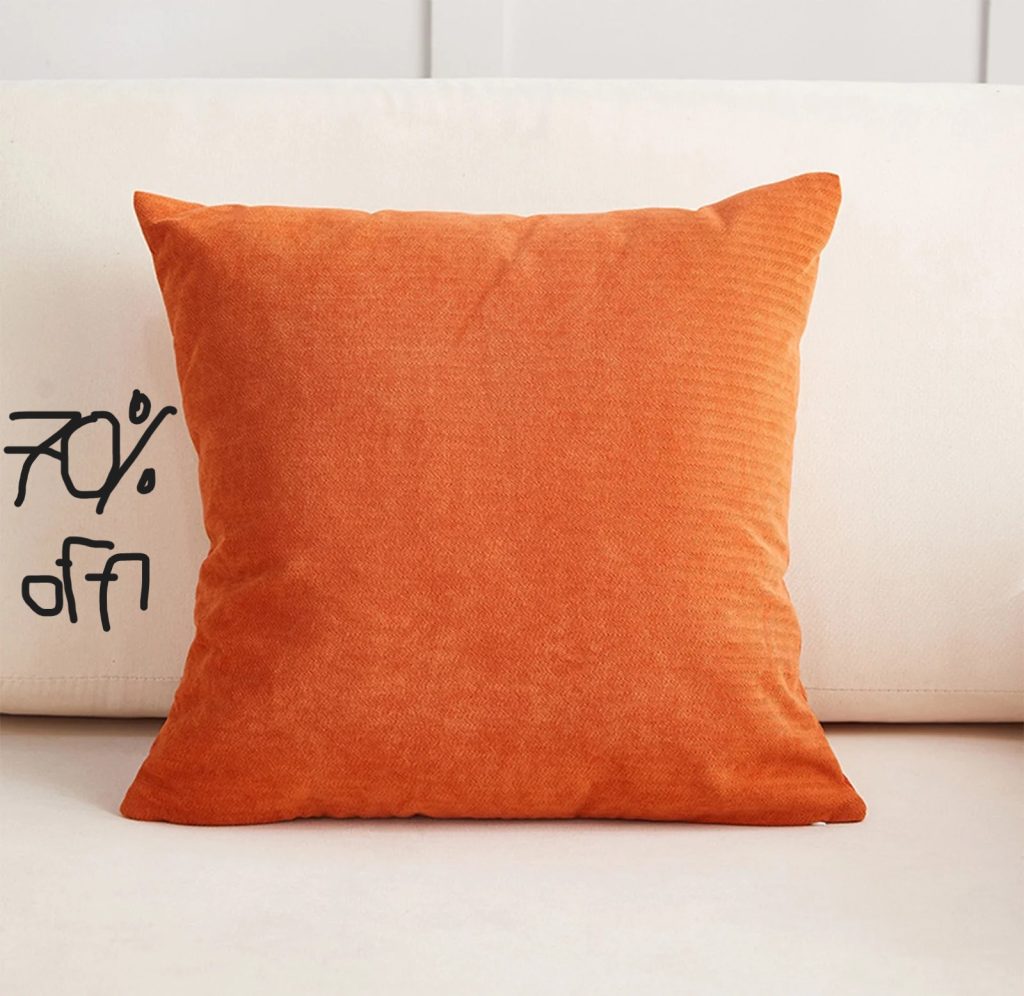
But then I saw these pillows. God, they were gorgeous—this perfect burnt orange color that I’d been obsessing over on Pinterest.
The kind that make a room look expensive and put-together. Originally $35 each, which… yeah, not happening. But they were marked down to $8.98.
I stared at that price tag for probably two full minutes. Then I grabbed four of them because I was convinced it was a mistake and they’d fix the price before I got to checkout.
Spoiler alert: it wasn’t a mistake. And that moment? It completely changed how I think about decorating.
Can We Talk About the Shame of Wanting Pretty Things?
Ugh, why is this so hard to admit? I used to feel genuinely embarrassed about caring how my apartment looked. Like, shouldn’t I be focused on more important stuff? Student loans? Career goals? World peace?
But here’s the thing I finally realized: I spend most of my life in this space. I eat breakfast here. I decompress after awful workdays here.
I cry during movies here (shut up, The Notebook gets me every time). I FaceTime my mom from my couch every Sunday.
When your space doesn’t feel good, it affects everything. And I was so tired of coming home and immediately wanting to be somewhere else—somewhere prettier, cozier, more like the homes I saw online.
The guilt was stupid. Taking care of your space IS taking care of yourself. It’s not shallow or frivolous—it’s basic human need for comfort and beauty. We all deserve to live somewhere that makes us feel good.
But knowing that and being able to afford it? Two completely different things.
The Budget Decorating Struggle Is Real (And Nobody Talks About It)
Let’s be honest about what it’s actually like to want a beautiful home when you’re not rich:
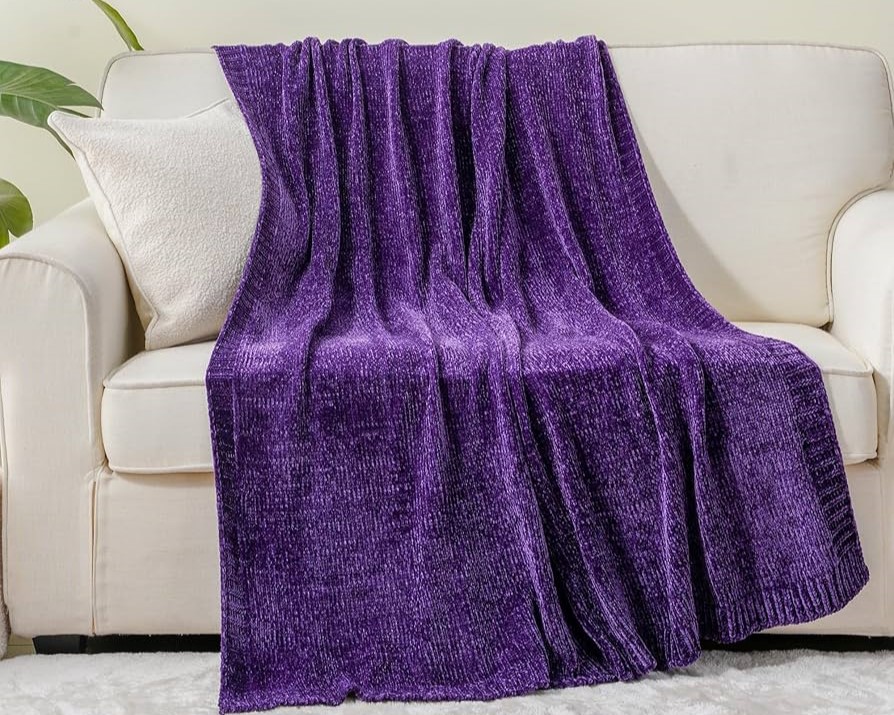
You fall in love with a throw blanket at West Elm. $89. For a blanket. You add it to your cart and delete it like fifteen times over three months.
You screenshot it and send it to your mom asking if she thinks it’s “too much” for a blanket, hoping she’ll tell you to buy it anyway.
You spend Saturday afternoons at Target not buying anything, just touching all the soft things and imagining how they’d look in your apartment.
The employees start recognizing you as “that girl who always looks but never buys anything.”
You get invited to housewarming parties and spend the whole time analyzing how they made their space look so good, then go home and feel worse about your own place.
You start following DIY accounts thinking you’ll just make everything yourself, then realize you don’t own tools or have any artistic ability whatsoever.
You convince yourself you don’t actually care about decorating (you do), that minimalism is “more sophisticated” anyway (sometimes it is, but not when it’s forced minimalism because you can’t afford stuff).
Anyone else been there? Because I lived in that cycle for years, and it sucked.
The Day Everything Changed (AKA My Accidental Discovery)
So back to Target and my pillow crisis. After I grabbed those marked-down pillows, I started actually looking around the clearance section instead of just speed-walking past it like usual.
And oh my God, there was so much good stuff.
Summer items in fall colors, marked down to basically nothing because stores needed to clear space for Halloween merchandise.
Woven baskets that would be perfect for storing throw blankets. Candles in warm, spicy scents that smelled exactly like fall but were labeled as “summer sunset” or whatever.
I found this chunky cream throw blanket—the exact texture I’d been dreaming about—marked down from $38 to $11. Eleven dollars! I checked the price three times because I was sure someone had made a mistake.
That’s when it hit me: I’d been shopping at the wrong time. While I was waiting for “fall decorating season” to start shopping for fall stuff, stores were practically giving away anything that looked autumn-appropriate in their summer clearance.
It felt like finding a secret passage in a video game or something. This whole world of gorgeous, affordable home décor that I’d been walking past because I thought “clearance” meant “cheap looking.”
Spoiler: it definitely doesn’t.
My Completely Life-Changing Realization About Timing
Here’s what nobody tells you: stores operate on completely different timelines than normal humans.
We’re out here wearing shorts and planning beach trips in August, meanwhile retailers are already thinking about Christmas. (I’m not even joking—I saw holiday stuff at HomeGoods last week. In AUGUST. It’s unhinged.)
But this crazy retail timeline creates these amazing opportunities if you know when to look:
Late August: Summer stuff gets marked down aggressively to make room for fall
Early September: Back-to-school clearance (hello, organization supplies)
Mid-September: Early fall items go on sale before Halloween takes over October: Everything’s full price because demand is high
November: Fall stuff finally goes on clearance, but it’s all picked over
I started tracking this pattern because I’m apparently the kind of person who makes spreadsheets about shopping now (what has my life become?). But seriously, once you see it, you can’t unsee it.
The psychological part: Shopping for fall in August feels weird at first. Like you’re cheating somehow.
But then October rolls around and your friends are complaining about how expensive everything is while you’re already cozy in your perfectly decorated space, and you feel like a genius.
What I Actually Buy (And What I’ve Learned to Skip)
Okay, so I made a lot of mistakes learning this. Like, embarrassing mistakes that I’m going to share because maybe it’ll save you from the same disasters.
Things That Actually Work (My Greatest Hits)
Textiles in “summer” colors that are actually perfect for fall: Those pillows I mentioned? They were in the summer section but the color was this gorgeous burnt orange that screamed autumn.
I also found a rust-colored throw that was labeled as “sunset” something-or-other. Same vibes, fraction of the cost.
Natural materials that look expensive no matter what: Wooden serving bowls, wicker baskets, linen anything. There’s something about natural textures that just makes spaces feel more sophisticated.
I got this jute rug from “summer outdoor” clearance for $18 that’s been the foundation of every room arrangement I’ve tried since.
Lighting that creates actual magic: String lights from the patio section work perfectly for indoor cozy vibes.
Hurricane lanterns and glass votives that were meant for summer entertaining look amazing with fall candles. Battery-operated stuff is great because you can put it anywhere without worrying about outlets.
Storage that doubles as décor: Baskets, wooden crates, pretty containers—anything that hides clutter while looking intentional. My apartment is tiny, so everything needs to work double duty.
Things I Wasted Money On (Learn From My Mistakes)
Anything trendy that I didn’t absolutely love: I bought these geometric wall decals once just because they were cheap.
Lived with them for like two weeks before I got sick of them. Now I only buy things that make me genuinely happy, not just things that seem like good deals.
Decorative objects that don’t actually do anything: Those cute ceramic pumpkins seemed so perfect in the store, but they just collected dust at home.
Now I focus on things that improve how my space actually functions—better lighting, cozier textures, smarter storage.
Anything I didn’t measure first: Cannot tell you how many things I’ve bought that didn’t fit where I thought they would. I keep a little measuring tape in my purse now like some kind of home improvement ninja.
Store-by-Store Reality Check (The Good, Bad, and Overwhelming)
Target: My Emotional Support Store
The good: Their clearance game is strong, and the quality is usually decent. Plus they do this thing where prices drop in stages (30% off, then 50%, then 70%), so you can strategize.
The overwhelming part: So much choice. I get decision paralysis walking through there sometimes. Like, do I need three different kinds of fall candles? (The answer is always yes, apparently.)
My Target strategy: Wednesday mornings for new markdowns, but Sunday afternoons for the deepest discounts. And I set a budget before I go in because otherwise I’ll convince myself I need everything.
Reality check: I once spent forty-five minutes deciding between two throw pillows that were basically identical. The Target employees probably think I’m unhinged.
HomeGoods: The Treasure Hunt That Tests Your Soul
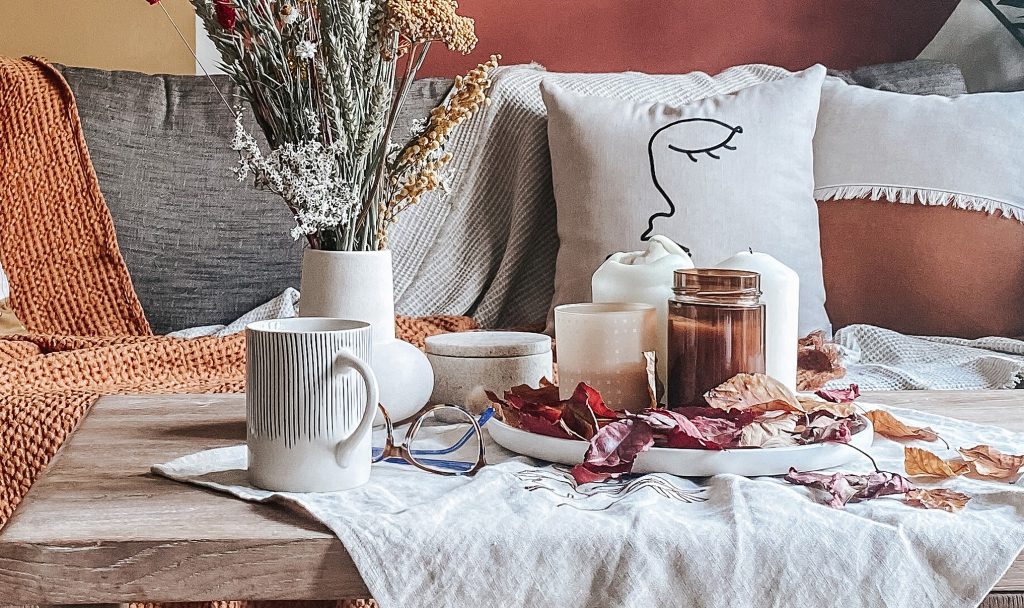
The good: Designer stuff at normal-person prices. When you find something good, it feels like winning the lottery.
The frustrating part: You might walk around for an hour and find nothing. Or you’ll find something perfect but in the wrong size/color/whatever.
My HomeGoods approach: I only go when I’m in a good mood and have time to browse without pressure. Otherwise it just makes me cranky.
Success story: Found these ceramic vases that would’ve been like $60+ at a fancy store, got them for $12 each. They’re still my favorite pieces in my apartment.
Thrift Stores: Where My Confidence Got Built
Why I love thrift shopping: Everything’s so cheap that you can experiment guilt-free. And finding something good feels like you’ve discovered buried treasure.
What actually works: Brass candlesticks (even tarnished ones look authentically vintage), wooden bowls and cutting boards, baskets in any natural material, picture frames for seasonal photos.
The mindset shift: I stopped looking for perfect things and started looking for things with potential. That brass candlestick with some patina? It looks intentionally vintage, not broken.
Embarrassing confession: I once bought a ceramic owl because it was 50 cents and I thought it was “quirky.” Turns out I hate owls. It lived on my dresser for six months before I finally donated it back.
Let’s Talk About Money (Because We Need To)
Last year I spent $247 on fall decorating and felt guilty about every single purchase. This year I spent $73 and I’m obsessed with the result.
Here’s exactly how I spent that $73:
Textiles ($37 – about half my budget):
- Two pillow covers in rust and cream: $18 total (Target clearance)
- Chunky knit throw: $11 (marked down from $38!)
- Small jute rug: $8 (summer clearance section)
Lighting & mood stuff ($18):
- String lights for my mantel area: $6
- Three matching candles in warm scents: $7
- Glass hurricane thing for my coffee table: $5
Natural elements that make everything look intentional ($18):
- Wooden serving bowl: $4 (thrift store)
- Two woven baskets: $8 total (Dollar Tree, but spray painted them to look fancier)
- Small ceramic vase: $6
The result: My living room looks completely different. Like, people-ask-if-I-hired-a-decorator different. And I spent less than what one throw pillow costs at Pottery Barn.
But here’s the thing—it’s not just about the money. When you’re not stressed about every purchase, decorating becomes fun instead of anxiety-inducing. You can try things. You can experiment. You can make mistakes without feeling like you’ve ruined your budget for the next three months.
The Mistakes That Taught Me Everything (AKA My Hall of Shame)
The time I bought everything at once because it was “such a good deal”:
Spent $160 in one Target clearance trip, got home, and realized half the stuff didn’t work together. My coffee table looked like a seasonal décor store had exploded on it. Now I buy a few key pieces, live with them for a week, then decide what else I need.
When I focused on cute instead of functional:
Bought all these adorable decorative objects that just made my space look cluttered. Now I ask myself: “Does this make my space work better or just look busier?” If it’s just busier, I don’t buy it.
The great measuring disaster of 2024:
Bought this gorgeous wooden tray that seemed perfect, got home, and it was too big for literally every surface I owned. It lived in my closet for eight months before I finally gave it to my neighbor. Now I measure everything and keep the measurements in my phone.
My perfectionism paralysis phase:
Spent three months agonizing over every purchase because I wanted everything to be “perfect.” Meanwhile, my walls stayed blank and my space felt incomplete. Perfect is the enemy of good, and good is the enemy of actually having a decorated home.
How to Make Clearance Look Like You Have Taste
This was the hardest thing for me to figure out. How do you make a bunch of random clearance finds look intentional instead of just… cheap?
My three-rule system (that actually works):
Rule 1: Pick a color palette and stick to it religiously
I use cream, rust, and warm brown in everything. EVERYTHING. When all your random finds are in the same color family, they automatically look like they belong together.
Rule 2: Odd numbers always look better
Three candles, five small pumpkins, one big vase with two small ones next to it. Even numbers look too matchy-matchy, odd numbers look natural and intentional.
Rule 3: Mix textures, not colors
Smooth ceramic + rough wood + soft fabric = visual interest that looks sophisticated. All smooth or all rough looks boring.
Real example: I have three different candles from three different stores ($2, $5, and $3) grouped on a wooden tray I got at a thrift store for $4. Total cost: $14. But because they’re all different heights and textures but the same warm cream color, they look like a $50 designer arrangement.
The secret ingredient nobody talks about:
Confidence. When you arrange things like you meant to put them there, people assume you did. Fake it till you make it, basically.
Storage Solutions (Because Nobody Has Unlimited Space)
The clearance shopping problem: You find amazing deals on stuff you can’t use for weeks.
My storage situation: I live in a tiny apartment where every square inch matters. But I figured out a system that works:
- One big plastic storage bin under my bed labeled “Fall Décor”
- Vacuum bags for bulky stuff like throw blankets (game changer!)
- I take photos of everything I store so I remember what I have
- When I switch from summer to fall, summer stuff goes in the same bins
The psychological benefit:
Having a stash of beautiful seasonal stuff feels like having a secret weapon. When September hits and I’m ready for fall vibes, I don’t have to go shopping—I just go to my storage bin.
Reality check:
Sometimes I forget what I have stored and accidentally buy duplicates. I now keep a list on my phone. Yes, I’m that person now.
The Confidence Thing (Which Nobody Warned Me About)

Here’s something weird that happened: when my apartment started looking good, I started feeling different about everything.
I invite people over now instead of making excuses about how my place “isn’t ready for company” (spoiler: it never felt ready before). I work from home more happily because my space doesn’t depress me. I actually look forward to my evening routine instead of just wanting to escape somewhere prettier.
It’s not about impressing other people though the compliments are nice. It’s about creating a space that makes you feel good about your life.
My friend came over last month and said, “Your place always feels so cozy and welcoming. I wish I knew how to decorate like you do.”
I almost laughed. Decorating skills? I just learned to shop clearance sections and arrange things in groups of three. But she was right—my space does feel welcoming now. And that didn’t happen by accident.
The deeper thing: When you stop feeling embarrassed about your space, you stop feeling embarrassed about other stuff too. It’s like practice for believing you deserve good things.
Your Very Realistic Action Plan (No Overwhelm Allowed)
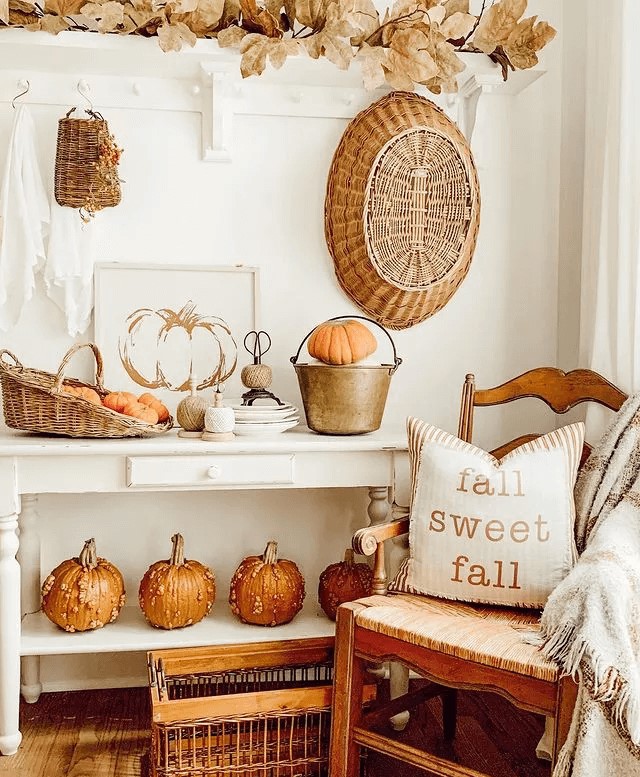
If you only have $15-25 to spend right now: Go to one store’s clearance section this week. Buy one thing that makes you genuinely happy when you imagine it in your space. One pillow, one candle, one small basket. See how it feels to have one intentional thing.
If you can swing $25-50: Hit Target’s clearance section (Wednesday morning is prime time) and focus on textiles. One throw or two pillow covers can completely change how a room feels. Add one lighting element if you find something good.
If you’ve got $50-75 to invest: Plan a clearance shopping morning. Hit 2-3 stores, focus on building a small collection in the same color palette. Get one substantial textile, one lighting upgrade, and one natural element (wood, wicker, etc.).
Most important rule: Don’t buy anything just because it’s cheap. Buy things that make you happy when you think about living with them.
The permission I wish someone had given me: You don’t have to redecorate your entire space this weekend. Start with one corner, one wall, one coffee table. Small changes add up to big differences.
What September Actually Looks Like
Early September: I start swapping out my clearance finds for summer stuff. The bright yellow throw pillow goes away, the rust one comes out. It feels like changing into cozy clothes.
Mid-September: Layer in more fall elements. String lights go up, candles get lit more often, the chunky throw blanket comes out of storage. My space starts feeling intentionally cozy instead of accidentally cozy.
Late September: Final touches with actual seasonal stuff—small pumpkins from the farmer’s market, branches from outside, maybe some mums if I’m feeling fancy.
The psychological win: By October, when everyone else is stressed about decorating and complaining about prices, I’m already living in my perfect fall space. I can focus on enjoying it instead of frantically trying to create it.
Why This Actually Works (The Real Reason)
It’s not about being cheap or cutting corners. It’s about being strategic so you can afford to create a space you actually love.
When decorating doesn’t stress your budget, it becomes fun. You can experiment with colors you’re not sure about. You can try styles that might not work. You can make mistakes without feeling like you’ve wasted money you didn’t have.
The emotional shift: Instead of feeling deprived and excluded from beautiful spaces, you start feeling creative and resourceful. Instead of scrolling Instagram and feeling bad about your space, you start getting excited about your next clearance find.
The long-term benefit: You build actual decorating skills through trial and error, without the financial pressure that makes every decision feel huge.
Plus, honestly? Some of my favorite pieces in my apartment are clearance finds that I would never have tried at full price. That $6 ceramic vase from HomeGoods gets more compliments than anything expensive I own.
The Big Picture Stuff Nobody Talks About
Your home doesn’t need to look like Instagram. Those accounts don’t show you the pile of laundry on the floor or the stack of mail on the counter or the fact that they spent three hours arranging everything for one photo.
Your space needs to work for your actual life. It needs to make you feel good when you’re there. It needs to function for how you really live, not how you think you should live.
My place isn’t perfect. I still have one wall that’s basically blank because I can’t figure out what I want there. My dining table doubles as my desk most days. Sometimes my throw pillows don’t perfectly coordinate because I grabbed whatever was clean.
But when I walk in the door after a long day, I feel happy to be home. When friends come over, they actually want to stay and hang out. When I’m having my morning coffee or evening wine, the space around me feels intentional and comforting.
That’s what good decorating actually does—it makes your regular life better. And you don’t need perfect taste or unlimited money to make that happen.
Where You Go From Here
Maybe you’re where I was last year—wanting a space that feels like home but feeling overwhelmed by where to start and how much everything costs.
Maybe you’re further along—you’ve got the basics down but want to add seasonal touches without blowing your budget.
Either way, you’re exactly where you need to be. Every beautiful space started with someone making one small improvement, then another.
This week: When you’re out running errands anyway, peek into one clearance section. You don’t have to buy anything. Just look around and practice seeing potential instead of just price tags. Notice what colors make you happy. Pay attention to textures that make you want to touch things.
The bigger goal: Start building the confidence that your space is worth investing in, even if that investment is small. You deserve to live somewhere that makes you feel good. You don’t need to wait until you have more money, more space, or more time.
Start now, start small, start imperfect. Every gorgeous home you’ve ever admired started the exact same way.
And hey, if you find some amazing clearance deals this week, text me. I live for this stuff now, and I love hearing about other people’s wins.
You’ve got this. Your space has so much more potential than you think—it just needs someone who cares about it enough to try. And that someone is you.

Frequently Asked Questions
When is the best time to shop end-of-summer clearance for fall decor?
The sweet spot is late August through mid-September. Most big-box retailers like Target, HomeGoods, and Walmart start marking down summer inventory 50–70% right after Labor Day weekend. If you shop earlier (late July), you might catch some deals but selection is still full-price. Wait too long (October) and the best pieces are gone. Set a phone reminder for the first week of September and do a quick store sweep — you’ll often find throw pillows, lanterns, and vases at a fraction of their original cost.
What fall decor items are worth buying on clearance versus skipping?
Worth buying: Neutral throw pillows (tan, rust, cream), candle holders, lanterns, vases, woven baskets, and faux greenery — these work across multiple seasons so you’ll use them for years. Skip on clearance: Anything with a specific year printed on it, hyper-trendy pieces that scream “2025,” or items that are clearly damaged. Also skip ultra-specific Halloween/Thanksgiving pieces at end-of-summer sales — those are better found post-holiday for the following year. Focus on versatile, classic pieces that earn their storage space.
How much can I realistically save shopping clearance vs. full price?
Honestly? A lot. I’ve personally saved 60–75% on fall decor by shopping end-of-summer sales. Those burnt orange throw pillows I found for $8.98 each? Originally $35. A set of three lanterns I got for $12 total? Retailed at $45. The math adds up fast: a room refresh that would cost $150+ at full price in October often runs $40–60 if you shop smart in late summer. The key is shopping with a list of what you actually need so you don’t impulse-buy things that looked good in the store but don’t work in your space.
Okay, real talk—what’s one thing about your space that’s been bugging you lately? The blank wall? The harsh lighting? The fact that nothing feels cohesive? Drop it in the comments and let’s brainstorm some clearance solutions together. I love this stuff and I bet other people have ideas too.
More budget decorating help:
Leave a Reply