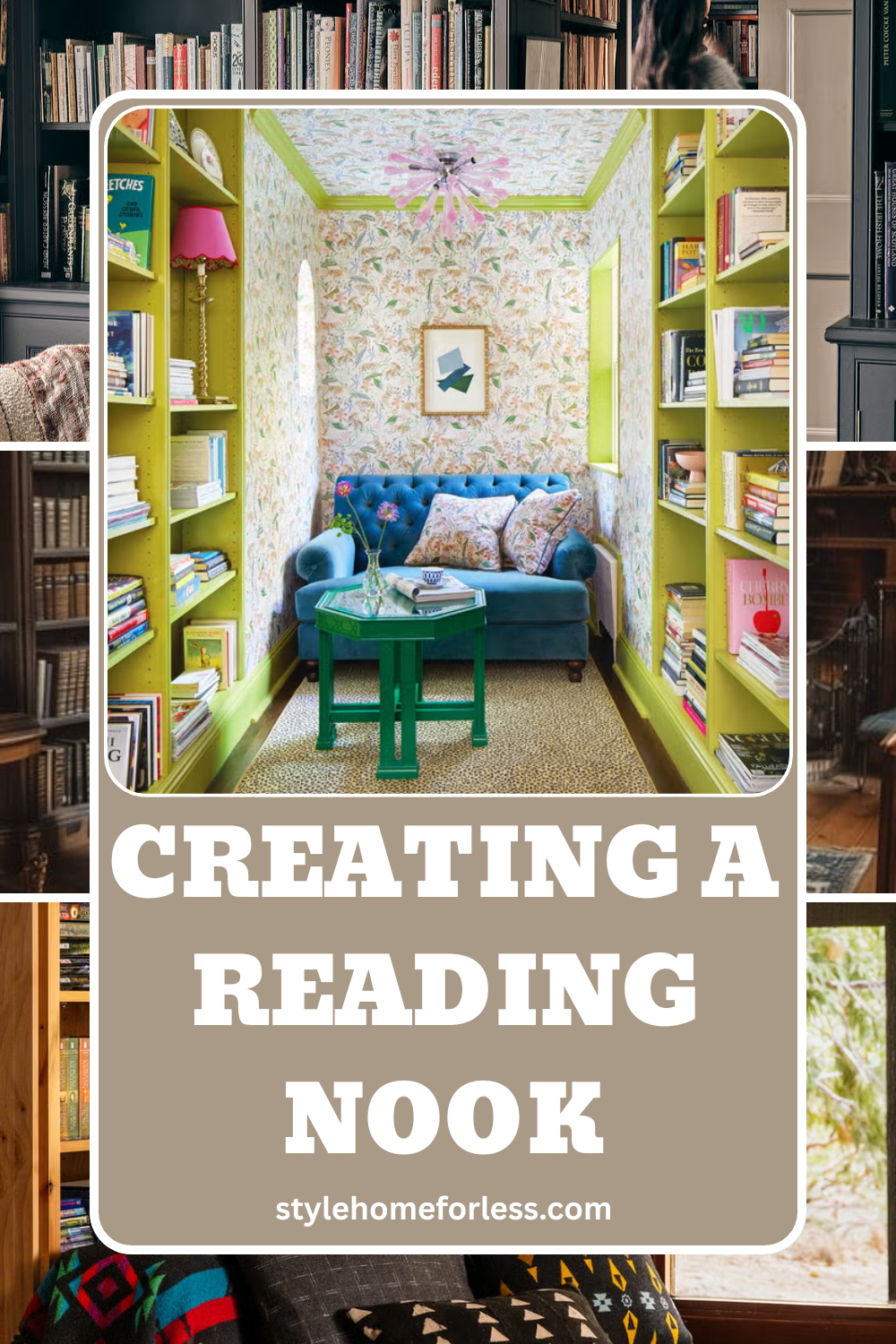
The honest guide from someone who failed at this three times before getting it right
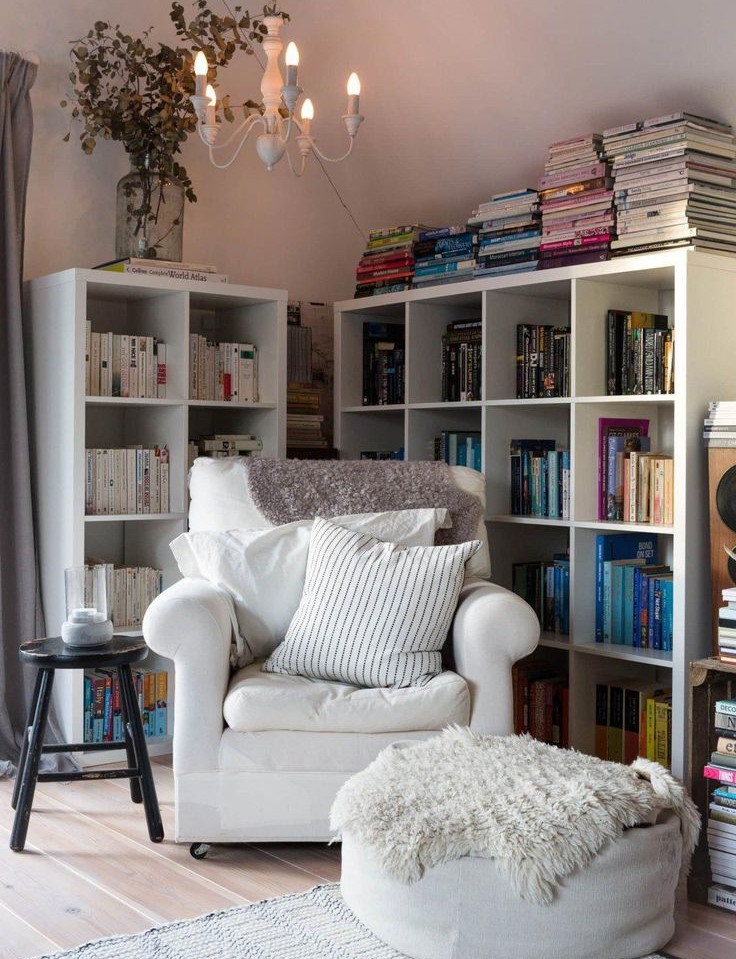
Look, I’m just going to say it: I used to be one of those people who bought books and never read them.
You know the type. Good intentions, overflowing bookshelves, but somehow I’d rather scroll TikTok for three hours than crack open that novel everyone’s raving about. My Kindle had seventeen books I’d started and abandoned around chapter two.
The problem wasn’t the books. It wasn’t even lack of time, if I’m being honest. It was that I didn’t have anywhere in my apartment that actually made me want to read.
My couch? Directly faces the TV, so good luck focusing. My bed? Five minutes in and I’m unconscious. Kitchen table? That’s where I eat cereal while answering emails and generally having small existential crises about adulting.
None of these places whispered “settle in with a good book.” They screamed “distraction central.”
So I decided to create a proper reading spot. How hard could it be, right?
(Narrator: It was harder than she thought.)
Three spectacular failures and seventy-three dollars later, I finally figured out what actually works. And more importantly—what definitely doesn’t work, no matter how cute it looks on Pinterest.
The Reading Space Problem Nobody Talks About

Here’s what I wish someone had told me upfront: most of us don’t have reading problems, we have environment problems.
You can buy all the productivity planners and reading challenges in the world, but if your only option is sitting on a kitchen chair under fluorescent lighting, you’re fighting an uphill battle. Your space is working against your goals instead of supporting them.
The research backs this up. Environmental psychology studies show that dedicated, comfortable spaces increase focus time by up to 40%. When your brain associates a specific spot with calm, focused activities, it literally becomes easier to concentrate there.
But here’s where most advice falls apart: every “create a reading nook” article assumes you have either unlimited budget or a spare room just waiting to become a literary sanctuary.
Reality check: I live in a 750-square-foot apartment where my dining table doubles as my desk, my couch is also my guest bed, and my “spare room” is actually a closet barely big enough for my vacuum cleaner.
Sound familiar?
My Hall of Shame: Three Reading Nook Disasters
Disaster #1: The $45 Plastic Chair Corner
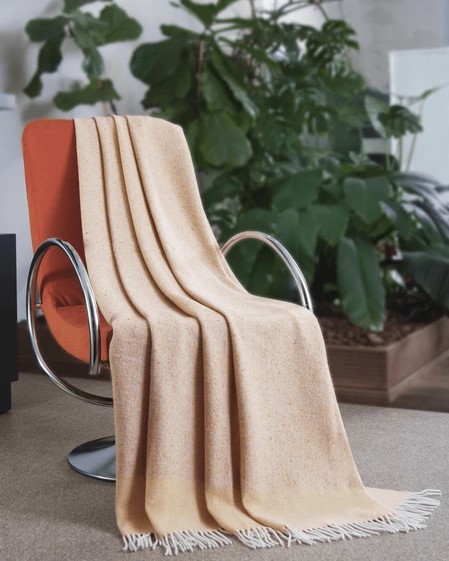
My first attempt looked… well, like someone had given up on life and just stuck random furniture in a corner.
I bought this white plastic chair from Target ($25), added a side table that was clearly meant for outdoors ($12), and called it a reading nook. Threw a blanket over the chair to make it “cozy.”
What went wrong: That plastic chair was about as comfortable as sitting on a yoga block for extended periods. The outdoor side table was the wrong height for holding books—too low to reach comfortably, too high to rest your arm on. And the corner I chose? Right by my front door, so every delivery person, neighbor, or random noise outside became a major distraction.
I think I managed to read exactly one chapter there before my back started protesting and I gave up.
Money wasted: $45 (chair donated to neighbor, side table now holds plants)
Disaster #2: The Floor Pillow Fantasy
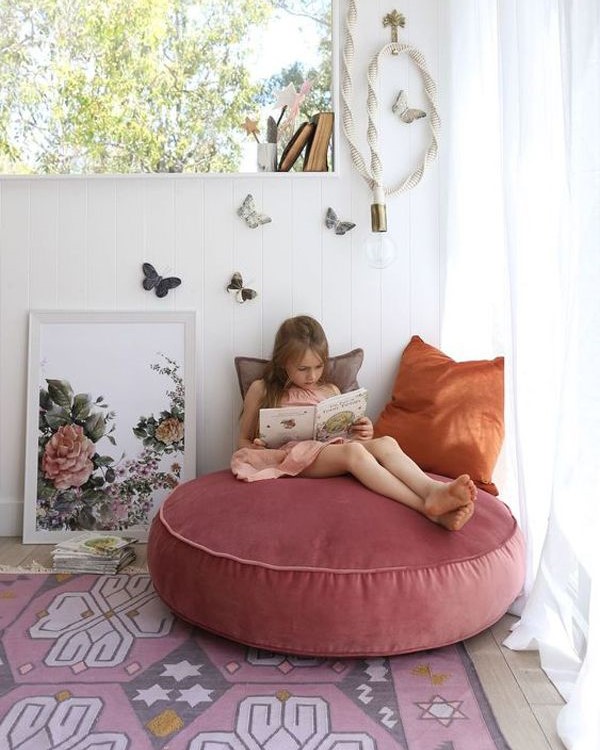
Pinterest made floor reading nooks look so zen and bohemian. Surely a pile of throw pillows against the wall would create this perfect little meditation-meets-literature vibe?
The setup: Six throw pillows arranged against my bedroom wall ($30 total from various stores), a small wooden tray for books and tea ($8), string lights overhead for “ambiance” ($6).
Reality check: Three weeks later, my lower back felt like I’d been carrying furniture up four flights of stairs. Turns out twenty-eight-year-old backs are not designed for extended floor sitting, no matter how many pillows you pile up.
Plus, the tray situation was a disaster. Every time I shifted position (which was constantly, because floor), I’d knock over my water glass or send my book sliding. The whole thing felt more like camping indoors than creating a relaxing reading retreat.
Money wasted: $44 (pillows now live on my couch, tray holds jewelry)
Disaster #3: The Balcony Book Club for One
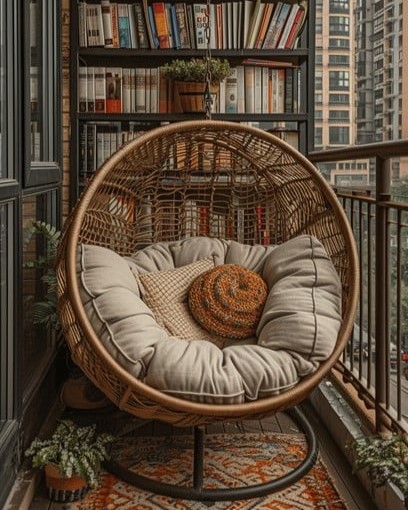
My apartment has this tiny balcony that gets gorgeous afternoon light. Perfect for outdoor reading, right?
The investment: Weather-resistant outdoor chair ($35), small side table ($15), attempted to string lights out there ($8 for lights that immediately broke in the first rainstorm).
What I learned the hard way:
- Even slight breezes turn book pages into frisbees
- Afternoon sun on that balcony reaches approximately surface-of-Mercury temperatures
- My neighbors can hear everything, and apparently I make little comments and gasps while reading that I wasn’t aware of
- Weather-resistant doesn’t mean neighbor’s-cigarette-smoke-resistant
After two attempted reading sessions where I spent more time chasing my book and squinting into the sun than actually reading, I admitted defeat.
Money wasted: $58 (chair now holds plants, table moved inside)
Total learning experience cost: $147
What Actually Works: The Four Non-Negotiable Elements
After burning through nearly $150 and countless hours, I finally figured out what makes a reading nook actually functional instead of just Instagram-worthy.
Element #1: Seating That Doesn’t Punish Your Body
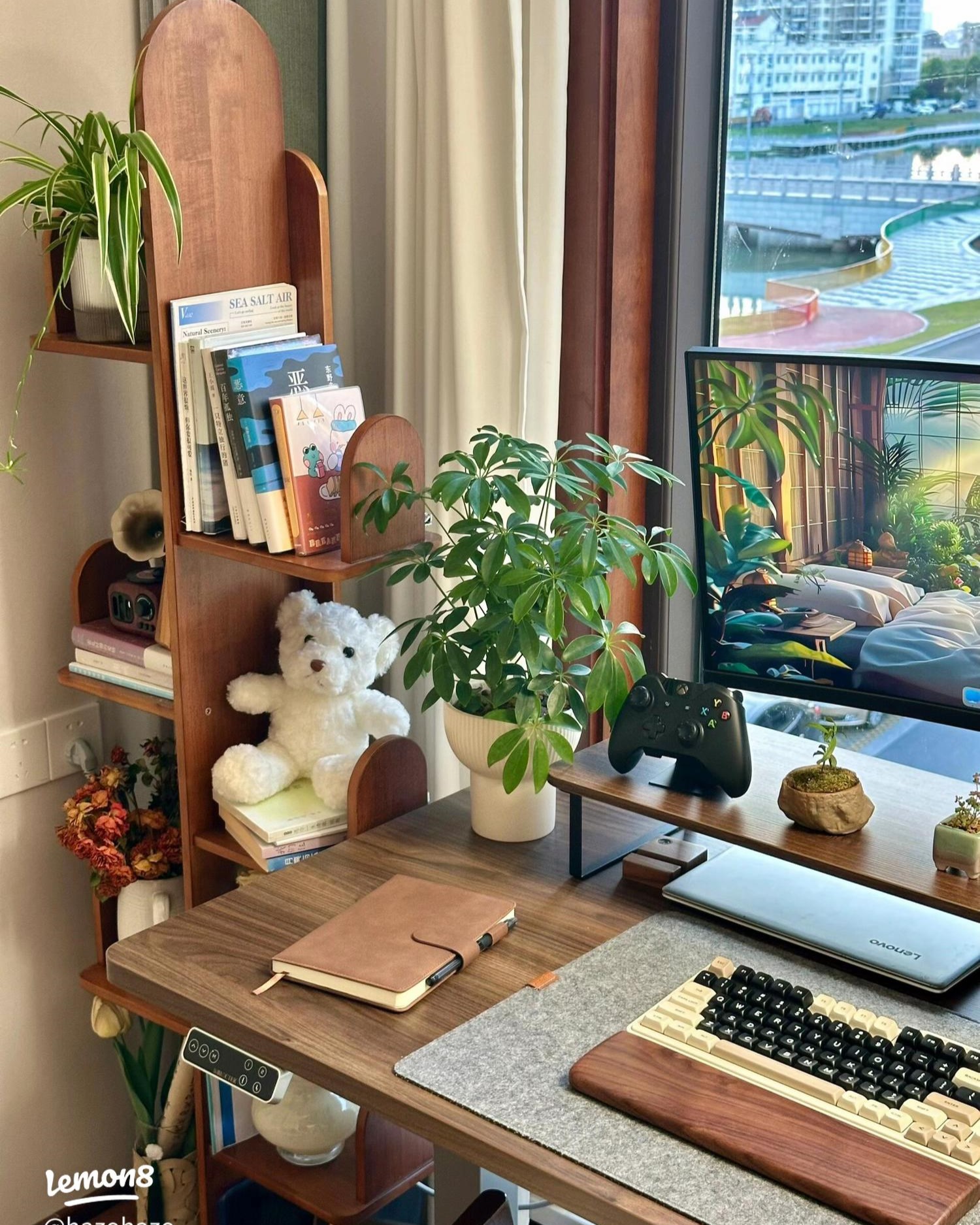
The uncomfortable truth: If your reading chair hurts after twenty minutes, you won’t use it. Period.
I learned this by stubbornly trying to make uncomfortable seating work because it looked right or fit my budget. Your back doesn’t care how aesthetically pleasing your setup is.
What actually supports long reading sessions:
- Back support that reaches your lower back (test this by actually sitting and leaning back)
- Arm rests at the right height for holding books without strain
- Seat depth that lets you sit all the way back without cutting off circulation behind your knees
- Width that lets you shift positions without feeling cramped
Budget reality: You can find comfortable used chairs for $15-40 if you know what to test for. I literally sat in seventeen different chairs at thrift stores and on Facebook Marketplace before finding my current one.
Element #2: Light That Doesn’t Give You Headaches
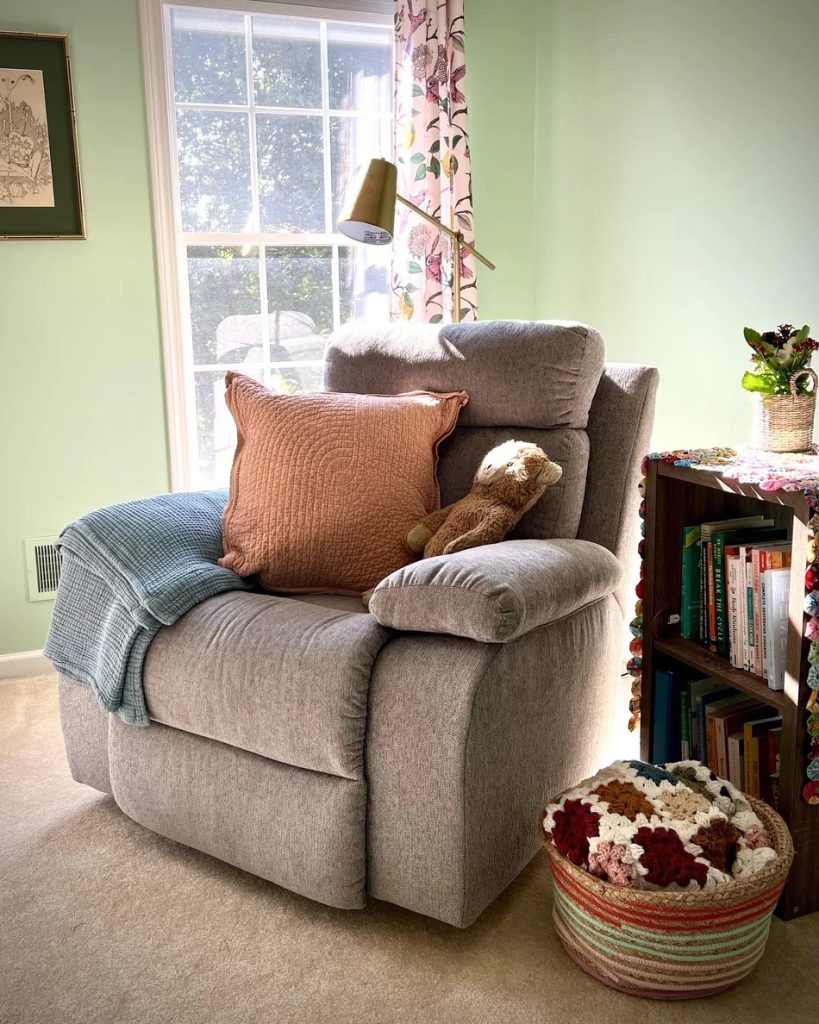
Overhead lighting is the enemy of cozy reading. But you also can’t read by candlelight unless you want to develop new glasses prescriptions.
The sweet spot: Warm, focused light that illuminates your book without creating glare or harsh shadows. Think “coffee shop corner” not “dentist office.”
What actually works:
- Reading light positioned behind your shoulder to minimize shadows on pages
- Warm bulbs (2700K-3000K) for comfort during evening reading
- Multiple light sources so you’re not dependent on one harsh bulb
- Adjustable positioning because books reflect light differently than tablets or phones
My current setup: A $12 clip-on reading light attached to a small floor lamp behind my chair, plus string lights for ambient warmth. Total lighting cost: $18.
Element #3: Everything Within Arm’s Reach Storage
Nothing kills reading momentum like having to get up every few minutes. Water glass, reading glasses, notebook, bookmark, phone (in airplane mode), next book in your queue—it all needs homes within grabbing distance.
Storage that actually works:
- Small side table or surface for current book and drinks
- Basket or small shelf for 2-3 “next up” books
- Tiny containers for bookmarks, reading glasses, pen
- Blanket storage that doesn’t require unfolding origami every time
Key insight: Your storage needs to be functional for how you actually read, not how you think you should read. I take notes while reading, so I need pen and paper space. You might want a coaster for hot drinks, or a small dish for jewelry you take off while settling in.
Element #4: Psychological Separation from Daily Life
This was the breakthrough I didn’t see coming. Your reading space needs to feel different from where you do everything else, even if it’s technically in the same room.
Creating mental boundaries:
- Different lighting than the rest of the room signals “this is reading time”
- Physical orientation away from work spaces, TV, or daily life visual clutter
- Distinct textures or colors that feel separate from your regular furniture
- Ritual elements like a specific blanket or scent that you only use for reading
What this looks like: My reading corner uses warm string lights instead of overhead lighting, faces away from my desk setup, and has a texture (chunky knit throw) that doesn’t exist anywhere else in my apartment. When I sit there and pull that blanket over my legs, my brain shifts gears.
My $67 Success Story (Fourth Time’s the Charm)
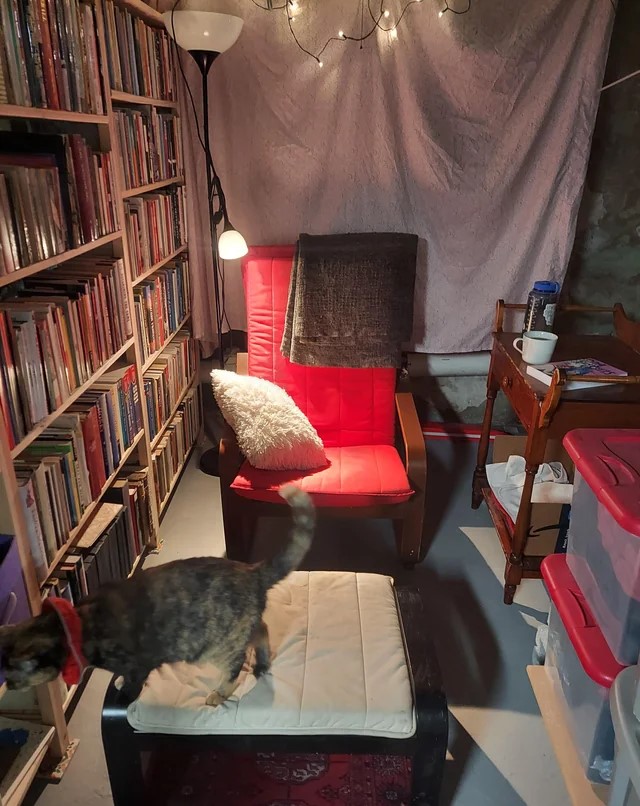
After three expensive failures, I finally figured out what works in my actual apartment with my actual budget and my actual reading habits.
The location revelation: That weird corner between my bookshelf and window that I’d been trying to “figure out” for two years. Not Pinterest-perfect, but perfectly functional.
The chair victory: IKEA POÄNG chair found on Facebook Marketplace for $30 (retail $89). The seller was moving and needed it gone by weekend. Sometimes timing is everything.
Complete budget breakdown:
Seating & Comfort ($36):
- Used POÄNG chair (Facebook Marketplace): $30
- Small lumbar pillow (Target clearance): $4
- Soft throw blanket (estate sale): $2
Lighting ($16):
- Clip-on LED reading light (Amazon): $11
- Warm white string lights: $5 (had these already, but pricing them in)
Storage & Function ($15):
- Round wooden stool as side table (thrift store): $6
- Small woven basket for books (Dollar Tree painted with $2 spray paint): $5
- Glass jar for bookmarks/reading glasses (free, repurposed): $0
- Small ceramic dish for jewelry (thrift store): $4
Total actual cost: $67
What makes this setup different:
- I actually use it every day. Usually 45-60 minutes after dinner.
- Everything has a purpose. No decorative-only items taking up space.
- It adapts to my habits. Sometimes I read with music, sometimes I take notes, sometimes I just sit there and think. The setup works for all of it.
- Maintenance is minimal. Throw blanket in the wash monthly, dust the surfaces when I clean the rest of the room.
Room-by-Room Solutions for Real Apartments
Living Room Reading Corners
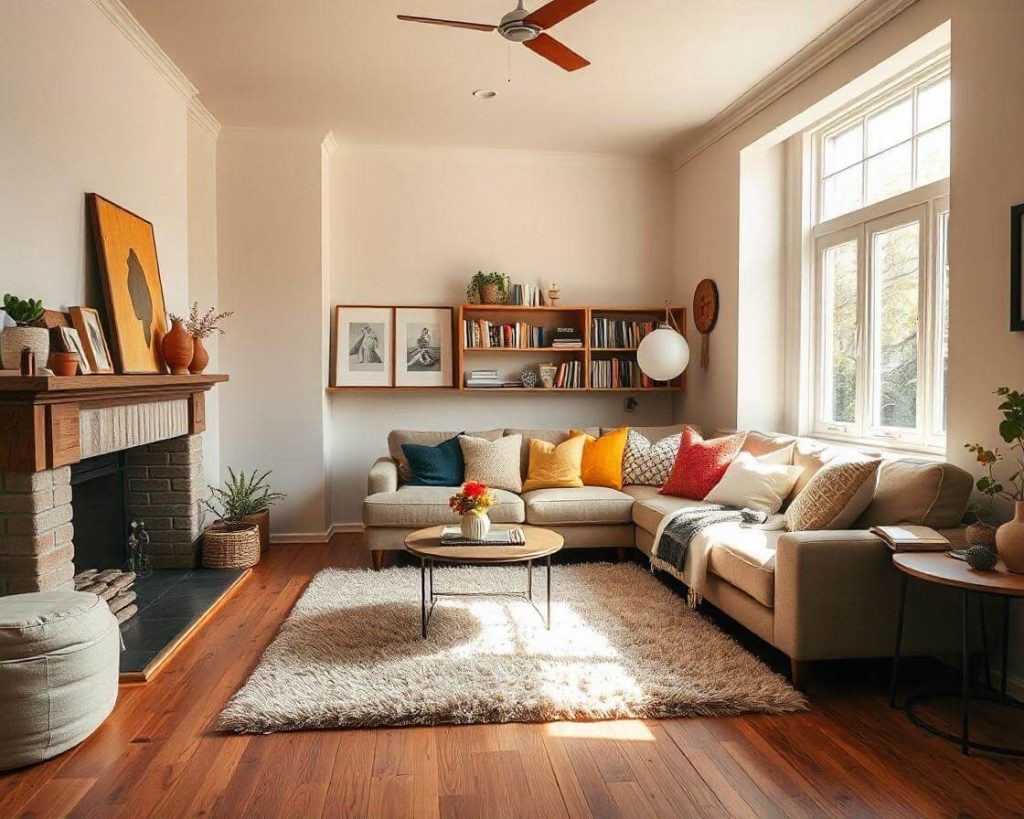
The angle strategy: Position seating at 45 degrees to the room’s main orientation. This creates separation even in open floor plans.
Best spots I’ve tested:
- Corner between couch and wall with chair angled toward window
- Behind the couch if you have enough room and decent lighting
- Window adjacent (not directly in front—too much glare, too distracting)
What doesn’t work: Anywhere that directly faces the TV. Trust me, you’ll get distracted even with the TV off.
Budget range: $35-70 depending on seating situation
Bedroom Reading Retreats
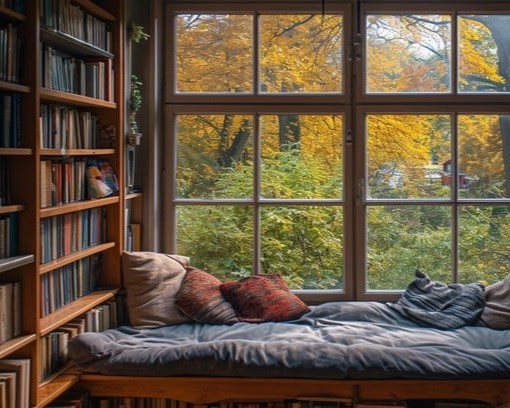
The corner chair approach: Every bedroom needs seating that isn’t the bed. Perfect excuse to create a reading corner.
My friend Sarah’s solution: IKEA STRANDMON chair ($149 new, she found one for $35 on Craigslist) positioned by her window with a small side table made from stacked books and a piece of wood.
Floor reading done right: If you’re determined to read on the floor, invest in a proper reading pillow with arms and back support ($15-25). Regular throw pillows will betray your spine.
Budget range: $25-60
Kitchen/Dining Area Reading Nooks
Breakfast nook conversion: If you have a small dining set, one side can double as a reading corner with good lighting.
Counter-height solutions: Bar stools can work for reading if you add proper lumbar support and foot positioning. My neighbor uses a barstool with a memory foam cushion and small pillow.
Budget range: $15-45
Tiny Space Maximizers
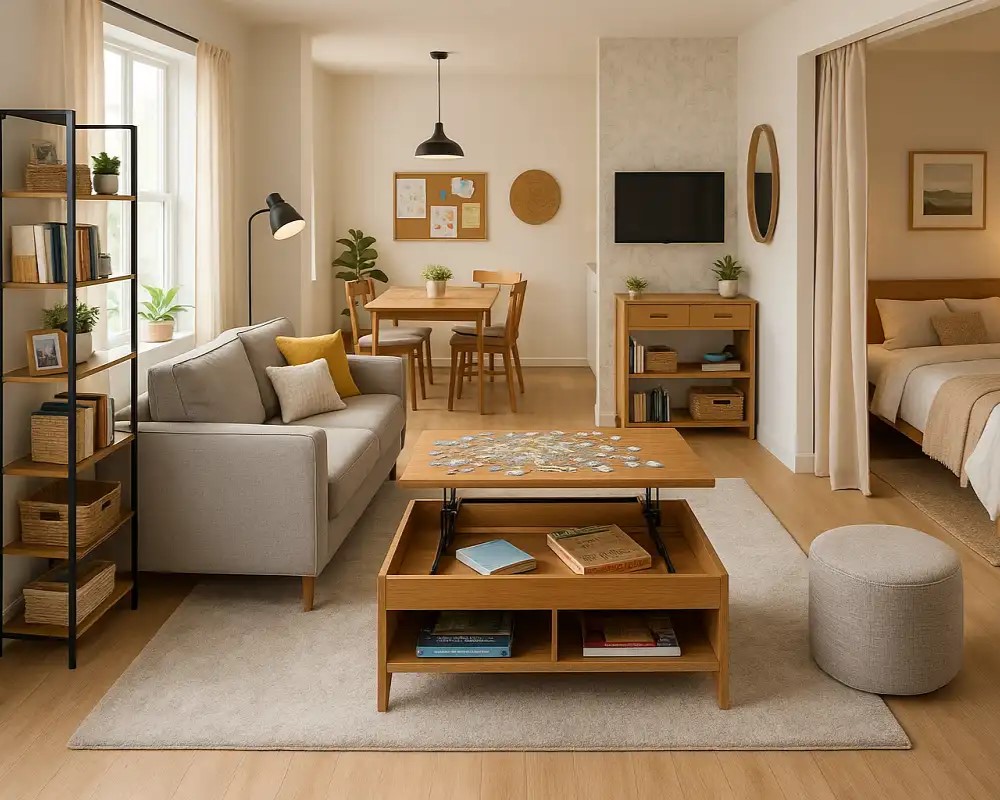
The ottoman strategy: Storage ottoman that opens for books, doubles as seating with added cushion, and can move anywhere you need it.
Transforming solutions: Folding chair that disappears after use, or regular dining chair that becomes reading chair with added cushions and repositioned lighting.
My studio apartment friend’s hack: Reading setup that packs into a basket—cushions, reading light, small lap table, current books. Sets up anywhere, stores completely.
Budget range: $20-50
The Shopping Strategy That Actually Saves Money
Facebook Marketplace & Craigslist Gold Mining
Search terms that work: “Reading chair,” “accent chair,” “comfortable chair,” “IKEA” (followed by specific model names)
Best times to shop: End of month when people are moving, Sunday evenings when sellers want to get rid of stuff before the work week
Red flags: Chairs that look uncomfortable even in photos, anything with pet damage if you have allergies, sellers who won’t let you test the chair
My success rate: About 60% of chairs I’ve looked at were actually as described. Always test in person.
Thrift Store Treasure Hunting
What I always find: Side tables, lamps, storage baskets, throw pillows, small decorative containers
What’s usually overpriced: Anything that looks deliberately vintage or trendy
Best strategy: Hit 2-3 stores in one trip rather than making multiple dedicated trips
Timing matters: Thursday afternoons for new donations, avoid weekends when competition is highest
Dollar Store Surprises
Actually good finds: Small storage containers, basic organizational items, simple decorative containers
What looks cheap: Anything plastic that’s trying to look like wood or metal, lamps or electronics, furniture
My rule: Only buy things I’d be happy to replace in six months when they wear out
IKEA Hacks for Reading Spaces
POÄNG modifications: Add different cushions, include ottoman, position with custom lighting
FROSTA stool tower: Stack 2-3 stools for custom side table height with built-in storage
LACK shelf integration: Mount near reading chair for book storage and display
Making It Look Intentional (Not Like Random Furniture)
The Color Coordination Trick
My approach: Everything in my reading corner uses the same three colors—cream, gray, and natural wood. Doesn’t matter if pieces came from different stores or decades.
Why this works: Consistent color palette makes mismatched pieces look like a curated collection rather than random finds.
Easiest execution: Choose neutrals plus one accent color. Way more forgiving than trying to match exact shades.
The Texture Game
What adds richness: Mixing smooth (wood, ceramic), soft (fabric, throws), and textured (woven baskets, knitted items) surfaces
What looks expensive: Natural materials even when they’re cheap. Wood beats plastic, cotton beats polyester, ceramic beats melamine.
My texture rule: If everything feels the same when you touch it, add something different.
Personal Elements That Actually Matter
Books as décor: Display a few meaningful books, not just ones that match your color scheme
Personal photos: One or two small framed photos, not a whole gallery
Plants that thrive: Don’t force plants that need bright light into dim corners just for looks
Meaningful objects: That pottery bowl from your trip, the vintage bookmark from your grandmother. Things that actually relate to your reading life.
Troubleshooting the Stuff That Goes Wrong
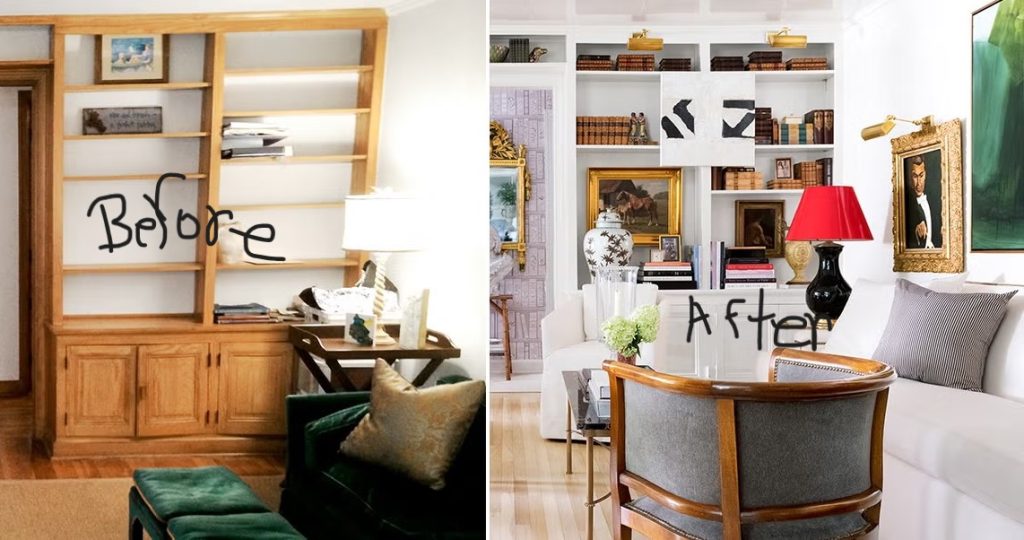
“I Set It Up But Never Use It”
Common causes:
- Chair isn’t actually comfortable for your body
- Lighting is wrong for the time you want to read
- Location doesn’t feel separate enough from daily life stress
- Storage doesn’t work for your actual reading habits
My diagnosis process: Sit in the space for 20 minutes with a book you genuinely want to read. What bothers you? That’s what needs fixing.
“Everything Looks Makeshift”
Usually means: Elements aren’t sized right for each other, or color palette is too random
Quick fixes: Ensure your side table is the right height for your chair arm (test with your elbow), add one unifying element like a consistent lamp style or throw blanket
“I Can’t Focus There”
Likely culprits: Too much visual distraction, wrong lighting for concentration, or psychological association with stress/work
Solution: Face away from the busiest part of your room, add focused task lighting, create a ritual that signals “reading time” to your brain
“My Back/Neck Hurts After Reading”
Chair problems: Wrong seat depth, no lumbar support, armrests at wrong height
Lighting problems: Lamp positioned wrong, creating neck strain to avoid shadows
Book positioning: Need book stand or different way to hold books to avoid neck crane
The Real Benefits (Beyond Reading More Books)
Mental Health Improvements I Didn’t Expect
Having a dedicated quiet space turns out to be incredibly good for anxiety management. Even when I’m not reading, I sometimes sit there with tea just to decompress.
The psychology part: Your brain starts associating this spot with calm, focused activities. Over time, just sitting there begins to shift your mental state toward relaxation.
Social Benefits That Surprised Me
Guests love reading nooks. Something about the dedicated, comfortable seating makes people actually sit and talk instead of perching on couch edges ready to leave.
Books become conversation starters. When reading is visible in your space, people notice what you’re currently reading and discussions naturally happen.
Productivity Spillover Effects
Better focus transfers. Training yourself to sit and concentrate on reading improves concentration for work, creative projects, and daily tasks.
Screen time naturally decreases. Having an appealing alternative to phone scrolling changes evening routines in subtle but significant ways.
Your Realistic Next Steps
This Week: Assessment and Reality Check
Room evaluation: Walk through your place and sit in potential reading spots for five minutes each. What feels comfortable? What has decent lighting? What faces away from major distractions?
Existing inventory: What do you already have that could work? Comfortable chair that needs better lighting? Good lamp that needs repositioning? Side table hiding in another room?
Budget reality: How much can you actually spend without stress? Better to start small and add pieces than to blow your budget on day one.
Next Week: One Strategic Purchase
If you have decent seating: Focus on lighting. One good reading light makes any chair more functional.
If you have good lighting: Find comfortable seating, even if it’s just adding cushions to what you have.
If you have neither: Start with seating. You can read by less-than-perfect light, but you can’t read in an uncomfortable chair.
Following Week: Test and Adjust
Actually read there. Not just one chapter—spend real time in the space with books you genuinely want to read.
Notice what bugs you. Too warm? Need different lighting? Want water within reach? These details matter more than aesthetics.
Make one improvement. Based on what you noticed during actual use, change one thing to make it work better.
What Success Actually Looks Like
My reading corner isn’t Pinterest perfect. The chair has a coffee stain from that time I got too invested in a thriller. The side table is obviously from a thrift store. My book organization system is “stack them in order of what I want to read next.”
But here’s what matters: I’ve read 18 books since creating this space six months ago. Before this, I was reading maybe 3-4 books per year and feeling guilty about it constantly.
The space works because it serves its actual purpose:
- Comfortable enough that I look forward to sitting there
- Functional enough that I have everything I need within reach
- Separate enough from daily life that my brain shifts into “reading mode”
- Flexible enough to work whether I’m reading fiction, taking notes on nonfiction, or just sitting quietly with tea
Your reading nook doesn’t need to impress anyone else. It needs to work for your body, your habits, your space, and your life. Everything else is just decoration.
The best reading space is the one you actually use. Start with functional, add pretty later. Focus on creating something that genuinely makes you happy to spend time there.
The books are waiting. You deserve a comfortable place to read them.
Want to add personality to your reading nook on a shoestring? Check out these dollar store DIY projects — I used two of them to style my own nook shelf for under $10.
Frequently Asked Questions
How small of a space can I turn into a reading nook?
Honestly, you need less space than you think — even 2×3 feet is enough. Some of my favorite reading spots are carved out of awkward corners, the end of a hallway, or even a large closet with the door removed. The minimum requirements are: one comfortable seat (a floor cushion counts!), enough light to read without straining your eyes, and some visual signal that this spot is “for reading.” That last part is psychological but it really works. A small shelf, a plant, one good lamp — that’s all it takes to turn a forgotten corner into a place your brain wants to settle down.
What’s the most important thing to get right when building a reading nook on a budget?
Lighting, without a doubt. I learned this the hard way during my first two failed attempts. You can have the coziest chair in the world and the fluffiest throw pillows, but if your lighting makes you squint or gives you a headache, you won’t use the space. Aim for warm-toned light (2700–3000K bulbs) positioned so it falls over your shoulder onto the page, not directly in your eyes. A $15 clip-on reading lamp or a thrifted floor lamp with a new bulb will do the job perfectly. Get the lighting right first, then add everything else.
What if I share my space with roommates or a partner — can I still create a reading nook?
Absolutely — this is actually where a reading nook shines. Having a dedicated spot that’s yours matters even more in shared spaces because it gives you a physical place to retreat without being anti-social. A few strategies that work well: use a tall bookshelf or room divider to create visual separation without blocking flow; use headphones as a “do not disturb” signal; or claim a specific chair in a shared room as your reading spot (consistency trains everyone — including your own brain — that this is your focus zone). The key is consistency, not walls.
What’s your biggest obstacle to reading more—time, space, or something else? Drop a comment and let’s brainstorm solutions for your specific situation. I love helping people figure out tricky room layouts!
This week’s new articles:
- 15 Free Ways to Transition Your Home from Summer to Fall (Monday)
- DIY Fall Wreaths: 8 Tutorials Using Dollar Store Supplies (Wednesday)
More budget-friendly home solutions:
Leave a Reply