The best $200 I ever spent on furniture cost me $200 total across six different thrift store trips. The dresser in my bedroom? $14 at Goodwill, $22 in chalk paint, $8 in new hardware. It gets more compliments than anything else in my apartment, and people are genuinely shocked when I tell them it came from a thrift store.
Furniture upcycling is one of those skills that sounds harder than it is. The first flip feels intimidating. By the third, you’re shopping Goodwill with a mental checklist and walking past the “nice” furniture stores without a second glance.
Here are 10 beginner-friendly flips I’ve done myself — with real costs and the honest details about what actually works.
1. Chalk Paint a Dresser — The Classic Starter Flip
This is where almost everyone starts, and for good reason. Chalk paint requires zero prep work (no sanding, no priming), goes on thick enough to cover almost any surface in one or two coats, and dries in about 30 minutes. The finish looks expensive.
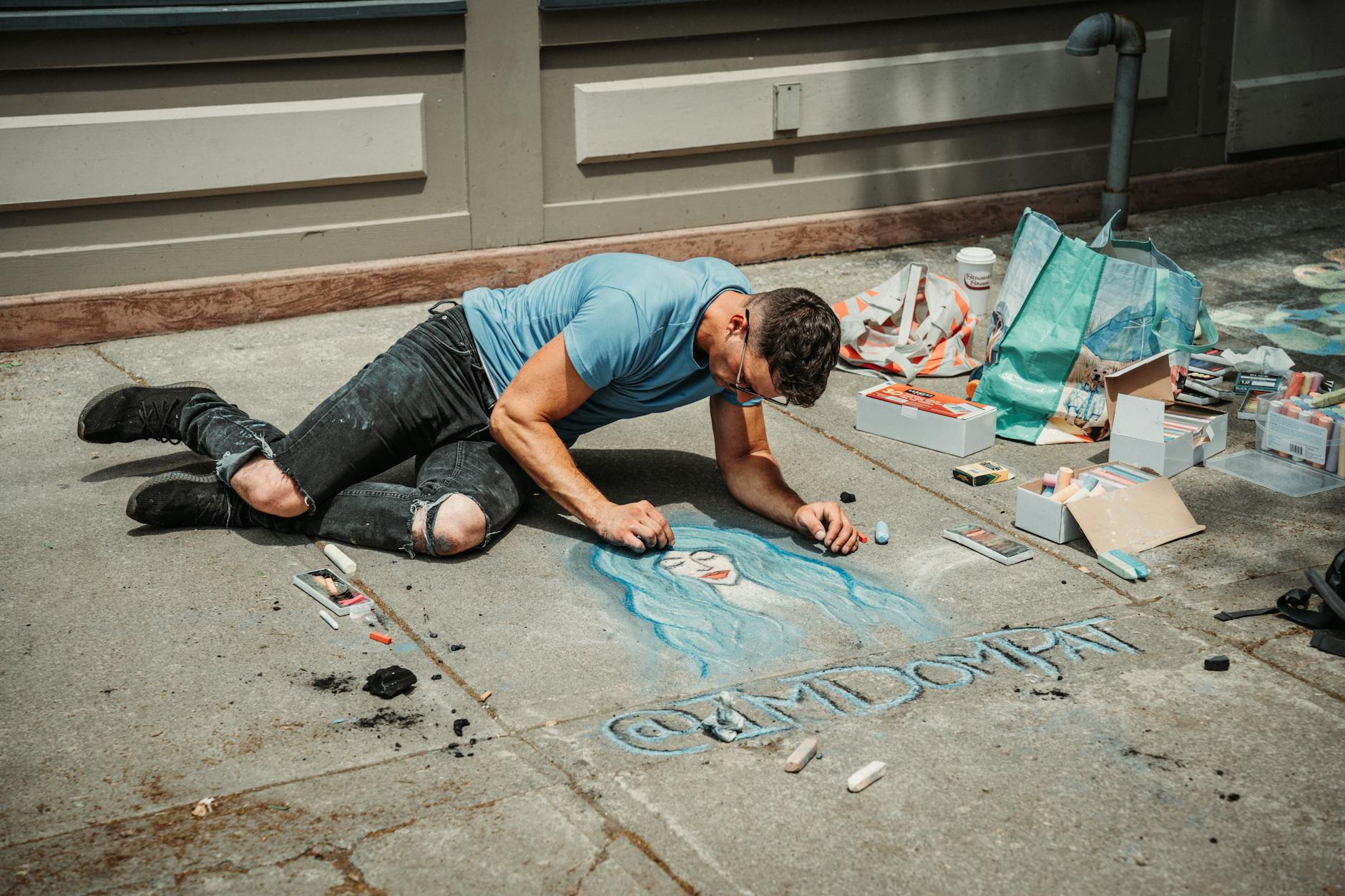
What you need: Annie Sloan Chalk Paint ($45 for a quart at craft stores, covers a full 6-drawer dresser) or the budget alternative, Rust-Oleum Chalked Paint ($14.98 at Home Depot — I’ve used both, and honestly for solid-color finishes the Rust-Oleum is 90% as good). New drawer pulls from Amazon or Hobby Lobby ($8–$20 for a set of 6). Clear wax to seal ($12.99 for Annie Sloan clear wax, which you only need a tiny bit of).
Total for a thrift store dresser flip: $14 (dresser) + $15 (paint) + $12 (hardware) + $8 (wax) = $49 total for something that retails for $350+.
2. Reupholster a Chair Seat — 20 Minutes, No Sewing
Dining chairs with upholstered seats are everywhere at thrift stores ($2–$8 per chair at most Goodwill locations). The seats almost always look terrible. Reupholstering them takes 20 minutes and requires zero sewing — just fabric, a staple gun, and a screwdriver.
Unscrew the seat from the chair frame (usually 4 screws underneath). Lay new fabric face-down, center the seat on top, pull the fabric taut and staple every 2 inches around the perimeter. Trim excess. Screw back on.
Best fabric sources: JOANN Fabrics has upholstery fabric starting at $6.99/yard. You need about half a yard per seat. Alternatively, use fabric placemats from HomeGoods ($3.99 each) — they’re often pre-stiffened, which actually makes them easier to work with than loose fabric.
A set of 4 chairs: $20 at Goodwill + $14 in fabric = $34 total. A similar set would cost $200+ new at Target.
3. Spray Paint Brass or Gold Hardware
Old furniture often has dated brass hardware that makes the whole piece look old in a bad way. But those solid brass pieces are actually better quality than most modern hardware — they just need a fresh look. Rust-Oleum Matte Black spray paint ($5.47 at Walmart) transforms them in an afternoon.
The process: remove hardware, clean with rubbing alcohol, lay on cardboard, spray two light coats (don’t go heavy — it drips), let dry 1 hour between coats. Done. My dresser hardware went from tacky gold to matte black that looks like the $12-per-pull hardware at Anthropologie.
4. Decoupage a Side Table
This one feels the most “crafty” but produces some of the most impressive results. Decoupage is basically gluing paper or fabric to a surface and sealing it with Mod Podge. You can use pages from old books, maps, sheet music, botanical prints — anything flat.

I did a small side table ($4 at a garage sale) with pages from a vintage atlas. The whole top surface, covered in overlapping map sections, sealed with three coats of Mod Podge Gloss ($6.49 at Walmart). It looked like something from Anthropologie. A guest offered me $80 for it at a dinner party. It had cost me $12 total.
5. Whitewash a Wood Piece for a Farmhouse Look
Whitewashing is different from painting — you’re creating a translucent white finish where the wood grain still shows through. It’s having a major moment in home decor right now and costs almost nothing.
Mix: 1 part white paint (any flat white latex paint works — a sample pot from Home Depot is $4.98 and is plenty) + 1 part water. Brush it on with the grain, then wipe back with a rag within 30 seconds. The wood grain shows through, the piece looks beachy and expensive. Let dry, seal with a matte polycrylic ($9.98 at Home Depot).
6. Add Hairpin Legs to a Thrifted Table Top
Hairpin legs are one of the most transformative cheap parts in furniture upcycling. A set of four 28-inch hairpin legs runs $35–$45 on Amazon (look for the Peaktop brand — consistently good reviews). They screw directly into the underside of any flat surface.
Find a solid wood cutting board at Goodwill ($3–$6 for the large butcher-block style ones), attach four legs, and you have a side table that looks like it’s from West Elm’s $189 collection. Total cost: under $50.
7. Cane Webbing on Drawer Fronts
Cane webbing inserts on furniture are having a massive design moment, and adding them to plain drawer fronts is a beginner-friendly project. You can buy cane webbing on a roll on Amazon ($15–$22 for enough to do 6–8 drawers) and attach it with wood glue and a router — or, for zero woodworking skills required, you can use contact cement to adhere it directly to recessed drawer panels.
I added cane webbing to a plain IKEA Hemnes dresser and it looked like a $600 vintage piece. The total cane investment: $18.
8. Paint a Lamp Base
Lamp bases from thrift stores are almost always ugly. Almost always fixable. The rule of thumb: if it’s ceramic, it can be spray painted with a ceramic/all-surface primer first. If it’s metal, use Rust-Oleum direct-to-metal spray.
A $4 thrift store lamp with a $5 can of spray paint and a $12 drum shade from IKEA becomes a $21 accent lamp that looks like the $75 versions at Target. I have three of these in my apartment right now.
9. Wallpaper the Inside of a Bookcase
This is one of those projects that has a disproportionate visual impact for almost zero effort. Find a solid wood or laminate bookcase at Goodwill ($8–$25), buy one roll of peel-and-stick wallpaper or wrapping paper, and line the interior back panel.
The contrast of colorful or patterned interior walls against the solid exterior of the bookcase makes it look like custom built-ins. I used a roll of black-and-white graphic paper from HomeGoods ($6.99) inside a cream bookcase I found for $12. The combination looked intentional and expensive.
10. Ombre Dip-Dye on Furniture Legs
This technique works on any piece with prominent legs — tables, chairs, stools. You paint just the lower portion of the legs a contrasting color, creating a dip-dye effect. It’s a small detail that makes a piece look designed rather than thrifted.
My favorite version: natural wood chairs with legs dipped in terracotta (a mix of red and orange paint). It coordinates with about 80% of current home decor palettes and costs nothing but a small sample pot of paint ($4.98) and 30 minutes of your time.
Frequently Asked Questions
What’s the best paint for furniture upcycling beginners?
Chalk paint is the most forgiving — no sanding, no primer, dries fast, and covers almost any surface. Rust-Oleum Chalked Paint at Home Depot ($14.98/quart) is the best value version. For a higher-end finish, Annie Sloan Chalk Paint ($45/quart) has better color options but the results are similar for basic applications.
Where do you find the best furniture for upcycling?
Goodwill is the most consistent for volume and price ($5–$25 for most dressers and tables). Facebook Marketplace is best for larger pieces — people often list solid wood furniture for $10–$30 just to get rid of it. Estate sales are the goldmine find — prices are usually low and quality is highest. I check all three weekly and now only shop retail for mattresses and sofas.
Do I need to sand furniture before painting it?
Not if you use chalk paint — that’s the whole point. For latex paint over glossy surfaces, yes, a light scuff-sand with 220-grit sandpaper helps adhesion. For spray paint, cleaning with rubbing alcohol and using a bonding primer spray replaces sanding for most materials. True furniture refinishing (stripping, staining) requires more prep, but none of the 10 projects above need it.
What tools do I actually need to start furniture upcycling?
For the beginner projects above: a 2-inch angled brush ($4.99), a foam roller ($3.99 for a pack of 4), a staple gun ($19.99 at Harbor Freight), 220-grit sandpaper ($5.99 for a pack), and a cordless screwdriver ($29.99 at Walmart). That’s it. Total starter kit: under $65, and you’ll use every single item repeatedly.
How do I seal painted furniture so it’s durable?
For chalk-painted pieces, wax (Annie Sloan clear wax, $12.99) is traditional — rub on, buff off. For higher-traffic pieces like tables and dressers, I prefer Rust-Oleum Polycrylic in satin or matte ($9.98 at Home Depot) — it’s water-based, dries clear, and is significantly more durable than wax. Apply two thin coats, let dry 2 hours between coats.
The Bottom Line
The most expensive-looking room in my apartment is the one I spent the least money on — because every single piece came from a thrift store and was transformed with paint, new hardware, or fabric. The skills required to do this aren’t hard to learn. The hardest part is the first trip to Goodwill where you actually buy something instead of just looking.
I’m documenting my next project — a solid oak side table I found for $8 that’s getting cane webbing and hairpin legs — in real time on the blog. Full cost breakdown and step-by-step photos coming next week.
Leave a Reply